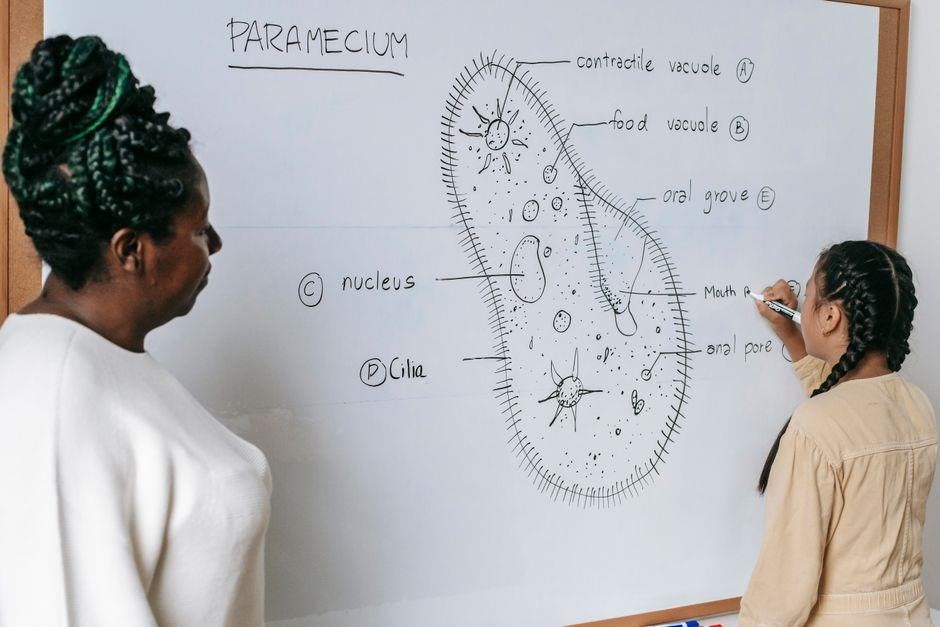
Overview of Cell Cycle Labeling
The cell cycle labeling answer key PDF provides concise, step‑by‑step solutions for typical exam questions, highlighting key concepts such as chromatid movement and spindle anchoring. It serves as a quick reference for students to verify answers and identify gaps in understanding. Use it for exam prep.!!
Definition and Scope of Cell Cycle Labeling
Cell cycle labeling refers to the systematic annotation of stages within the cell division process, often used in educational settings to assess comprehension of mitosis, meiosis, and interphase. The answer key PDF for cell cycle labeling consolidates correct responses to commonly assigned worksheet questions, enabling students to cross‑check their work against authoritative solutions; This resource typically includes concise explanations of key events such as chromatid alignment, spindle formation, and cytokinesis, alongside illustrative diagrams that map each phase. By providing a ready reference, the PDF aids instructors in grading consistency and helps learners identify conceptual gaps. The scope of the key extends beyond simple fact recall; it encourages critical thinking by prompting users to justify each answer with underlying biological mechanisms. Moreover, the document often incorporates hyperlinks to supplementary materials, allowing deeper exploration of complex topics. In practice, the answer key serves both as a study aid for exam preparation and as a teaching tool that clarifies the logical sequence of cellular events. Its structured format—question number, answer, and brief rationale—ensures clarity and supports efficient review sessions. Overall, the cell cycle labeling answer key PDF is an essential companion for biology courses that emphasize accurate labeling and detailed understanding of the cell cycle.
In addition, the key often highlights common misconceptions, such as confusing the metaphase plate with the spindle apparatus, and provides corrective notes to reinforce accurate terminology. It may also include a summary table that aligns each cell cycle phase with its defining characteristics, such as DNA replication during S phase or nuclear envelope breakdown in prophase. This holistic approach ensures that students not only memorize facts but also grasp the dynamic interactions that drive cell proliferation. The PDF format allows easy distribution via learning management systems, email, or printed handouts, ensuring accessibility for diverse learning environments. By integrating visual aids and concise textual explanations, the answer key promotes active learning and supports educators in delivering high‑quality, reproducible assessments!!!
Typical Question Formats in Cell Cycle Labeling Exams
Examiners design questions that test recognition of phase markers, the sequence of events, and the functional roles of key structures. Common formats include multiple‑choice items that ask which phase follows S phase, short‑answer prompts requiring the labeling of a diagram with prophase, metaphase, anaphase, telophase, and cytokinesis, and fill‑in‑the‑blank statements such as “During ______ the spindle apparatus forms.” Many tests also feature drag‑and‑drop activities where students match descriptions to the correct phase, or matching the correct protein to its activity in G2. In addition, some exams present a short passage describing a cell’s behavior and ask students to identify the phase or the underlying mechanism. These formats encourage students to apply knowledge rather than simply recall facts, and the answer key PDF provides the correct sequence, labels, and brief explanations for each item, ensuring consistency across grading and facilitating self‑assessment.
Exam designers also incorporate scenario‑based questions where students must predict the outcome of a mutation affecting cyclin‑dependent kinases, or explain how checkpoints regulate progression. Visual aids, such as labeled micrographs or flowcharts, are often paired with questions that ask students to annotate missing stages. The answer key PDF supplies the correct annotations, clarifies common misconceptions, and offers rationales for each answer, a ing learners to refine their conceptual framework.
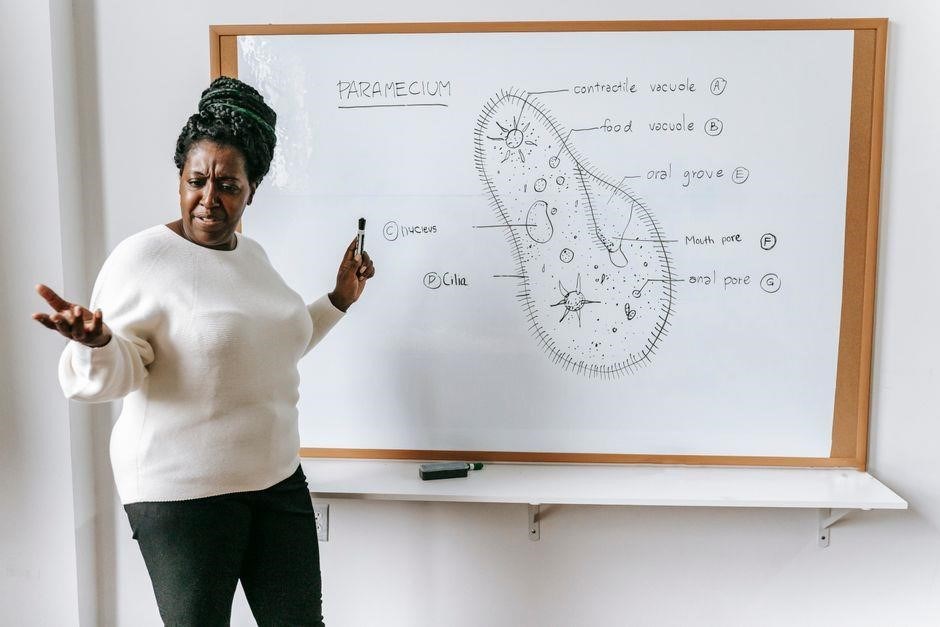
Biological Fundamentals of the Cell Cycle
The cell cycle comprises interphase (G1, S, G2) and mitosis, governed by cyclins and CDKs. Key checkpoints ensure DNA integrity. Chromosomes condense, align, segregate, and the cell divides, forming two genetically identical daughter cells. It also highlights checkpoints that halt progression errors!
Mechanisms of Chromatid Movement During Mitosis
The answer key PDF clarifies that chromatids are moved by the dynamic action of microtubules, which form the mitotic spindle. During metaphase, kinetochore microtubules attach to centromeres, and motor proteins such as dynein and kinesin generate forces that align chromosomes at the metaphase plate. In anaphase, the shortening of kinetochore microtubules, coupled with the activation of the anaphase‑promoting complex, pulls sister chromatids apart toward opposite spindle poles. The spindle assembly checkpoint ensures that all kinetochores are correctly attached before anaphase onset, preventing missegregation. Cohesin complexes hold sister chromatids together until separase cleaves them during anaphase, while Aurora B kinase monitors tension and corrects improper attachments, ensuring fidelity. The answer key also notes that plus‑end tracking proteins (+TIPs) such as EB1 stabilize growing microtubules at kinetochores, and microtubule‑associated proteins regulate polymerization dynamics and crosslink microtubules. Finally, the cytokinetic machinery, including the contractile ring, is coordinated with chromatid segregation to complete division, guaranteeing accurate chromatid segregation and preserving genomic integrity during cell division.
Spindle Anchoring and Its Role in Cell Division
The answer key PDF explains that spindle anchoring is essential for accurate chromosome segregation. Anchoring occurs at the spindle pole bodies (in yeast) or centrosomes (in animal cells), where γ‑tubulin ring complexes nucleate microtubules. Motor proteins such as dynein pull microtubules toward the poles, while kinesin‑14 and kinesin‑5 maintain spindle length by cross‑linking antiparallel microtubules. The anchoring apparatus also stabilizes kinetochore attachments, ensuring proper tension across sister chromatids. The key highlights that defects in anchoring proteins, like NuMA or pericentrin, lead to spindle misorientation and aneuploidy. Additionally, the spindle assembly checkpoint monitors anchoring fidelity; if microtubules fail to attach, the checkpoint halts anaphase, allowing correction. The PDF emphasizes that during telophase, the spindle is disassembled by microtubule‑depolymerizing kinesins, and the anchoring sites are recycled for the next cell cycle. Understanding these mechanisms helps students interpret exam questions about spindle dynamics and chromosome alignment. The anchoring system is also regulated by post‑translational modifications such as phosphorylation of motor proteins, which modulate their microtubule affinity. In addition, microtubule‑associated proteins like MAP4 and CLIP‑170 stabilize the spindle microtubules against depolymerizing forces. The answer key PDF notes that during metaphase, the spindle orientation is guided by cortical cues, ensuring that the division plane is correctly positioned relative to cell polarity. Errors in spindle anchoring can trigger a spindle assembly checkpoint arrest, leading to cell cycle delay or apoptosis if unresolved. The PDF also provides a diagram illustrating the spatial arrangement of centrosomes, microtubules, and kinetochores, which helps students visualize the mechanical forces at play. Furthermore, the answer key highlights that in plant cells, the absence of centrosomes forces the spindle to be nucleated from chromatin, yet anchoring still occurs via cortical microtubule arrays that guide spindle orientation. The PDF also discusses the role of the protein NuMA in recruiting dynein to spindle poles, which is critical for pulling forces that separate chromatids. Finally, the key emphasizes that proper spindle anchoring is a prerequisite for cytokinesis, as the contractile ring assembles at the midzone only after spindle microtubules have been correctly positioned. The PDF includes a table summarizing key proteins involved in spindle anchoring, their functions, and known mutations that affect cell division fidelity, and provides practice questions that require students to identify which protein is responsible for a given defect in spindle anchoring, reinforcing the link between molecular function and phenotypic outcome.

Anatomy of the Answer Key PDF
The PDF layout features a header with course title, page numbers, and a sidebar listing question numbers. Answers are numbered consecutively, matching the exam sheet. Each answer includes an explanation and a reference to the relevant lecture slide or textbook page!!…

Document Layout and Navigation Features
Each answer key PDF is structured for rapid review, with a consistent header that displays the course name, semester, and instructor contact details. The body of the document is divided into clearly labeled sections that mirror the exam format: Question number, answer text, and a brief explanatory note. A sticky table of contents at the top allows instant jumping to any question by clicking the hyperlink. Page numbers are displayed in the footer, and a small icon on the right side of each page provides a quick link back to the table of contents. The PDF is optimized for both screen and print, using a legible sans‑serif font at 10pt and a two‑column layout that reduces eye‑strain. Each answer is highlighted in a light blue box, and key terms are bolded for emphasis. The navigation panel on the left side of the viewer shows the document outline, enabling users to expand or collapse sections. Hyperlinks to external resources, such as the university’s biology wiki and related lecture slides, are embedded directly after the answer. The file is compressed to under 2 MB, ensuring fast loading on mobile devices. Users can also export the PDF to a Word document for annotation, and the document includes a built‑in search function that indexes all question numbers and keywords. Finally, the answer key is version‑controlled; a revision stamp in the footer indicates the latest update date, so students can be sure they are using the most current material. Students should review the PDF before the exam, noting the coding and hyperlinks, and practice navigating to reinforce memory. Additionally, the answer key includes a summary table at the end that lists all key terms and their definitions, which is useful for flashcard creation. By integrating this resource into sessions, learners can identify areas and focus their revision accordingly.
Question Numbering and Referencing System
The answer key PDF adopts a uniform numbering scheme that mirrors the exam layout. Each question is prefixed with a two‑digit identifier (e.g., 01, 02, 03) followed by a colon and the question text. Answers are placed directly beneath the corresponding question, indented by two spaces and marked with a bold “Answer:” label. This linear arrangement eliminates ambiguity, allowing students to locate the correct response by simply matching the numeric code. For multi‑part questions, sub‑sections are denoted with lowercase letters (a, b, c) and a period, ensuring that each sub‑answer remains linked to its parent question. The PDF also incorporates a cross‑reference table at the end of each page, listing question numbers alongside page numbers and brief descriptors. This table is hyperlinked; clicking a number jumps to the exact location of the answer within the document. The numbering system is consistent across all versions of the key, so students can rely on the same reference format when comparing with lecture notes or textbook exercises. In addition, the PDF’s metadata includes a “Question ID” field that can be searched programmatically, facilitating automated study tools. By maintaining a rigid, searchable numbering framework, the answer key promotes efficient review and reduces the risk of misattributing answers during timed assessments. Students are encouraged to practice navigating the PDF using the “Go To” feature, selecting a question number from the navigation pane, and verifying the answer’s placement. This habit reinforces familiarity with the document’s structure and speeds up revision sessions, especially when reviewing large sets of questions in a short period. The consistent numbering also aids instructors in grading, as they can quickly reference the official answer key by matching the student’s answer to the corresponding ID. Overall, the numbering and referencing system is designed to streamline study, support accurate self‑assessment, and enhance the overall learning experience.
Effective Study Practices Using the Answer Key
Use the PDF to test yourself: read a question, answer, then check. Highlight discrepancies, review explanations, and repeat. Create flashcards for key terms. Schedule weekly reviews, focusing on weak areas. Discuss answers with peers to deepen understanding. Review each concept until mastery. Now.!!
Strategies for Identifying Knowledge Gaps
Begin by reviewing the answer key PDF for each question. Mark every incorrect response and note the specific concept that was missed—chromatid movement, spindle anchoring, or cell cycle phases. Next, create a focused study log: list the topics, the number of errors, and the time spent reviewing each. Use the key’s explanations to pinpoint misconceptions, such as confusing metaphase with anaphase or overlooking the role of microtubules. After identifying gaps, employ targeted revision techniques: flashcards for terminology, diagram labeling for mitotic stages, and practice quizzes that mirror the key’s format. Schedule spaced repetition sessions, revisiting the most problematic areas every 48–72 hours. Finally, discuss challenging questions with classmates or tutors, using the answer key as a shared reference. This iterative process turns the PDF from a static answer sheet into a dynamic diagnostic tool, ensuring that each weak point is addressed before the next assessment. Additionally, cross‑check the key with textbook diagrams to confirm that the visual representations align with the written answers. If discrepancies arise, consult the instructor for clarification. By systematically documenting each error and its root cause, you build a personalized knowledge map that guides future study sessions and reduces the likelihood of repeating mistakes. Consistent use of the answer key in this way transforms passive memorization into active learning, ultimately improving exam performance and deepening your grasp of cell biology fundamentals. To further solidify understanding, create a summary sheet that lists all key terms and their definitions, derived directly from the answer key. Review this sheet daily for a week, then test yourself without the key. The cycle of self‑assessment and correction is the most effective method for closing knowledge gaps. Moreover, consider forming a study group where each member presents one question from the key, explains the answer, and discusses common pitfalls. This collaborative approach not only reinforces individual learning but also exposes you to diverse problem‑solving strategies.
Ethical Considerations and Plagiarism Prevention
When using the cell cycle labeling answer key PDF, students should respect copyright and institutional policies. The key is a copyrighted resource; sharing it beyond the class or using it as a direct source for assignments violates academic integrity. Instead, consult the key to understand the reasoning behind each answer, then rewrite explanations in your own words. Cite the PDF when referencing specific solutions in research or collaborative projects. To avoid plagiarism, always paraphrase complex concepts and provide proper attribution. Use plagiarism‑checking tools before submitting work. Encourage a culture of honesty by discussing the purpose of the key—practice, not a shortcut. Instructors can provide anonymized practice questions that mirror the key’s difficulty, allowing students to test themselves without accessing the official answers. Additionally, students should keep a personal study log that records which questions were challenging and how they resolved them, reinforcing learning rather than copying. Finally, institutions may offer workshops on academic integrity, emphasizing the difference between legitimate study aids and disallowed resources. By adhering to these guidelines, learners maintain ethical standards while effectively preparing for exams. Students should also practice summarizing key mechanisms in their own language, ensuring they can explain chromatid segregation and spindle dynamics without relying on the key. By creating concept maps and teaching peers, learners reinforce their knowledge and detect misconceptions early. Institutions can provide guided study sessions that focus on critical thinking rather than rote answers. This collaborative approach promotes academic integrity while maximizing comprehension of the cell cycle labeling process. Stay honest.
Resources and Distribution of Cell Cycle Labeling Answer Key PDFs
Official sources include university repositories, Course Hero, and academic sharing platforms. Download the PDF from the institution’s site or a verified educational portal. Verify the file’s authenticity and ensure it aligns with your syllabus before using it for study. Ensure copyright compliance now.!!

Official Sources for Downloading the PDF
When searching for the cell cycle labeling answer key PDF, the most reliable starting point is the course’s own learning management system (LMS) or the university’s open‑access repository. Instructors frequently upload the key to Canvas, Blackboard, Moodle, or the institution’s digital library, ensuring that the file is authentic, current, and aligned with the syllabus. These institutional channels guarantee that the PDF is not a modified or outdated version, which is crucial for accurate exam preparation. If the key is not directly available on the LMS, check the university’s library portal or the department’s shared drive; many departments maintain a centralized repository for teaching materials, including answer keys for common assignments.
Beyond institutional sources, several respected academic sharing platforms provide vetted copies. Course Hero, StudyLib, and the university’s own library portal often host the PDF, but it is essential to verify that the file matches the exact syllabus version and that the author’s credentials are listed. Look for a publication date, version number, or a faculty signature to confirm authenticity. When using external sites, always download the PDF through a secure connection and scan it for malware.
If you cannot locate the key online, reach out directly to the instructor or teaching assistant. They can provide a secure link, a printable version, or an email attachment that meets the course’s privacy policies. Some institutions also offer a “resource hub” where students can request access to official teaching materials.
Finally, before using the key for study or sharing, review the university’s copyright policy. Ensure that your use falls within fair‑use guidelines, and avoid distributing the PDF beyond the intended audience. By following these steps, students can obtain the correct answer key while respecting intellectual property rights and maintaining academic integrity.
Alternative Educational Materials and Community Contributions
Beyond official PDFs, students often use peer‑generated resources such as study groups, discussion forums, and repositories. Platforms like Stack Exchange Biology, Reddit’s r/biology, and Discord servers host flashcards, worksheets, and video explanations that complement the answer key. These contributions clarify questions, offer mnemonic devices, and provide Q&A sessions. Educators also upload slides or recorded lectures to YouTube or Vimeo, which can be cross‑referenced with the PDF to deepen understanding. Open‑education sites like OpenStax and NCBI host textbooks and review articles covering the same topics, allowing students to verify the key’s accuracy. When using community content, check the contributor’s credibility, look for citations, and compare the material against the syllabus. This practice reinforces learning and encourages source evaluation, a vital skill for scientific inquiry. Sharing annotated PDFs or summarized notes within a study group can foster learning, provided the material remains within copyright law and institutional policy. For interactive learning, platforms such as Quizlet, Anki, and Brainscape offer flashcards that mirror the key’s structure, helping students retain terminology. Many universities host wikis where faculty curate links to peer‑reviewed articles and datasets, ensuring students have access to up‑to‑date research findings. By integrating these resources, learners build a robust study strategy that goes beyond rote memorization and deepens their grasp of cell‑cycle mechanics. Should also verify licensing terms such as Creative Commons to ensure attribution and non‑commercial use!!!