eyoyo barcode scanner manual pdf

The eyoyo Barcode Scanner Manual PDF offers concise guidance for users, detailing device features, setup steps, and operational tips. It serves as a quick reference, ensuring smooth deployment and optimal performance across diverse environments. For guidance, see the PDF’s troubleshooting sections now.

What is the eyoyo Barcode Scanner?

The eyoyo Barcode Scanner is a compact, high‑speed device designed for rapid data capture across a range of business environments. Built with a 2‑D imaging engine, it can read QR codes, Data Matrix, UPC, EAN, and other 1‑D barcodes with exceptional accuracy even in low‑light or partially obscured conditions. Its ergonomic design features a lightweight body, a comfortable grip, and a responsive touchpad that allows users to switch between scanning modes on the fly. The scanner supports both wired (USB) and wireless (Bluetooth) connectivity, enabling seamless integration with point‑of‑sale systems, inventory management software, and mobile applications. Powered by a rechargeable lithium‑ion battery, it offers up to 8 hours of continuous operation, and a quick‑charge feature brings it back to full capacity in under an hour. The device includes a built‑in LED indicator and audible feedback to confirm successful scans. Software compatibility extends to Windows, macOS, iOS, and Android platforms, with drivers and SDKs available for custom application development. The eyoyo scanner’s durability is reinforced by an IP54 rating, protecting it against dust and splashes, making it suitable for retail, warehouse, and field use. Its intuitive user interface and comprehensive manual PDF provide step‑by‑step instructions for setup, calibration, and troubleshooting, ensuring that even novice users can achieve optimal performance from day one. Users can customize scan settings via the companion app, set up auto‑shutdown timers, and monitor battery health through real‑time status indicators. The scanner also supports firmware updates over the air, ensuring that it remains up‑to‑date with the latest barcode standards and security patches. With its robust build and versatile connectivity, the eyoyo Barcode Scanner is ideal for retailers, logistics teams, and field technicians who demand speed, reliability, and ease of use in every scan.
Overview of the Manual PDF

The eyoyo Barcode Scanner Manual PDF offers a structured guide, featuring a clear table of contents, step‑by‑step setup instructions, operational tips, and troubleshooting advice. It ensures users quickly master device functions and maintain optimal performance. Download PDF for firmware updates and help

Key Sections Covered

The eyoyo Barcode Scanner Manual PDF is organized to guide users from start to finish. It opens with an overview of the scanner’s specifications, supported symbologies, and safety guidelines. The next part walks through unboxing, battery installation, and choosing between USB, Bluetooth, or Wi‑Fi connectivity.

After setup, the manual explains operating modes, showing how to switch between single‑scan, continuous, and manual modes, adjust scan distance, and fine‑tune sensitivity for best results. The configuration chapter covers firmware updates, device pairing, and integration with common inventory or point‑of‑sale software.

Practical usage tips address positioning, lighting, and handling reflective or damaged labels. A troubleshooting section lists common error codes, diagnostic steps, and solutions, enabling quick fixes. The FAQ segment compiles frequently asked questions, while the support page provides contact details, warranty information, and links to online resources.

Overall, the manual’s clear layout, step‑by‑step instructions, and comprehensive troubleshooting make it an essential reference for both new and experienced users, ensuring the eyoyo Barcode Scanner operates efficiently in any environment.
Getting Started with the Scanner

Begin by unboxing the eyoyo scanner, installing the battery, and connecting via USB or Bluetooth. Follow the quick‑start guide to pair the device, calibrate the sensor, and test a sample barcode to confirm functionality.

After confirming, explore advanced settings and adjust scan speed for performance.

Unboxing and Initial Setup

Begin by carefully removing the eyoyo scanner from its protective packaging. Inspect the device for any visible damage, ensuring the metal housing, lens, and battery compartment are intact. The package typically contains the scanner body, a rechargeable battery, a USB charging cable, a quick‑start guide, and a small instruction booklet.

Next, locate the battery compartment on the rear of the scanner. Slide the battery cover open, insert the supplied lithium‑ion battery, and close the cover securely. The scanner will power on automatically once the battery is seated correctly. A status LED will flash green, indicating readiness.

Connect the scanner to your computer using the provided USB cable. The device will appear as a mass storage device; install any necessary drivers from the included CD or download them from the official website. Follow the on‑screen prompts to complete driver installation.

After drivers are installed, launch the eyoyo configuration utility. The utility will detect the scanner and allow you to configure scan modes, assign custom key mappings, and calibrate the optical sensor. Perform a quick calibration by scanning a known barcode; the utility will confirm successful recognition.

Finally, test the scanner in a real‑world scenario. Place a barcode within the scanner’s field of view and observe the data output. Adjust the scanning distance if necessary, and verify that the scanner’s LED feedback match behavior. Once satisfied, the scanner is ready for deployment in your workflow.

Manual PDF Layout

The eyoyo Barcode Scanner Manual PDF is organized into clear sections, each with a dedicated header, concise instructions, and illustrative screenshots. The table of contents provides quick navigation, while page numbers and chapter titles aid efficient reference.

Search bar enables keyword lookup.!!

Table of Contents Navigation

Installation Instructions

Follow these steps to install the eyoyo barcode scanner: connect the USB cable to your computer, power on the device, install the driver software from the provided CD or download it from the official website, launch the configuration utility, and complete the setup wizard. Verify connectivity!!!!!!!!!

Software Installation Requirements

The eyoyo barcode scanner requires specific software prerequisites. It supports Windows 10/11 (64‑bit) and macOS 10.15+. Linux support is limited to kernel 5.0+ with libusb‑1.0. The driver is a 64‑bit Windows executable, a .dmg for macOS, and a source tarball for Linux that compiles with GCC 7.5+. The scanner communicates over USB 2.0/3.0; USB 1.1 or unpowered hubs are unsupported. Minimum system specs: 512 MB RAM, 50 MB free disk, and administrative rights for registry or kernel module installation. The .NET Framework 4.7.2+ is required on Windows; macOS uses Cocoa. The firmware (v3.2.1) supports 1D/2D barcodes and is updated via the included utility. After installing the driver, the scanner should appear in the device manager or system profiler, and the configuration utility will show “Connected”. If not detected, check the USB cable and port. The utility allows enabling/disabling symbologies, adjusting scan speed, and running diagnostics that return error codes for troubleshooting. Ensuring all prerequisites are met guarantees optimal performance and reliability. For advanced users, the scanner’s SDK is available in C++ and Python, enabling custom application development. The SDK includes sample code, API documentation, and unit tests. Integration with ERP or inventory systems can be achieved via the provided RESTful interface or direct USB communication. Users should consult the online developer portal for the latest libraries and best practices. All resources ensure integration and reliability across all platforms.

Operating the Scanner

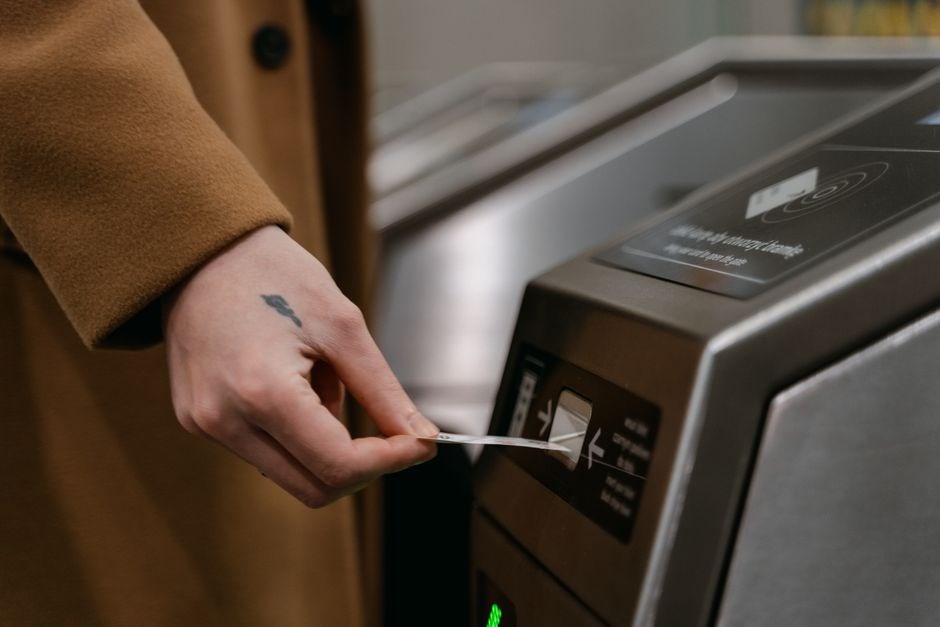
The eyoyo scanner operates via USB, with a simple button to toggle power. Press the trigger to scan; the device auto‑detects 1D/2D codes, delivering data to the host. Settings adjust in the companion app, enabling silent mode, scan speed, and error handling. More advanced.
Scanning Modes and Functions

eyoyo scanners support multiple scanning modes, each tailored to specific barcode types and operational scenarios. The default mode is “Auto‑Detect,” which dynamically switches between 1D and 2D decoding, ensuring maximum compatibility. For high‑throughput environments, the “Fast Scan” mode prioritizes speed over error correction, reducing scan time by up to 30%. The “Quiet Scan” mode suppresses audible beeps, ideal for retail or library settings where noise is a concern. Advanced users can enable “Custom Profile,” allowing manual selection of symbologies, error tolerance, and data output format. Each mode can be switched via the on‑device button or the companion software, which provides a real‑time status indicator and logs scan events. The scanner also offers “Continuous Scan” mode for bulk item processing, automatically advancing to the next item after each successful read. Functionally, the device supports barcode mirroring, enabling the same code to be read from either side of the scanner. It also includes a “Data Mask” feature, which strips unwanted characters from the decoded string before sending it to the host. The built‑in firmware supports hot‑key shortcuts for common tasks, such as toggling silent mode or resetting the scanner. For integration, the scanner emits standard USB HID reports, making it plug‑and‑play with most operating systems. The companion software provides a detailed log, error codes, and the ability to export scan data to CSV or JSON formats for further analysis or reporting. Users can set the scanner to silent mode for settings.
Troubleshooting Common Issues

Common problems include no‑scan, incorrect data, or connectivity loss. Check power, cable, and firmware. Reset by holding the button for 5 s. If still failing, update firmware via USB, clear cache, or contact support with serial number and error log. Ensure the device is within range and the lens is clean

FAQ and Support Contacts

Below are frequently asked questions about the eyoyo Barcode Scanner Manual PDF, followed by contact details for further assistance.

  • Q1: Where can I download the latest manual PDF?
    A: Visit the official eyoyo website and navigate to the Support section. The PDF is available under “Documentation.”
  • Q2: My scanner is not responding to the manual’s instructions.
    A: Verify that the firmware is up to date. Use the provided USB cable to connect to a PC and run the firmware updater.
  • Q3: How do I reset the scanner to factory settings?
    A: Hold the power button for 10 seconds until the LED flashes twice. The scanner will reboot with default settings.
  • Q4: The scanner shows “Error 404” when scanning a barcode.
    A: Timeout. Keep scanner within10 cm and clean lens.
  • Q5: Can I use the scanner with a mobile device?
    A: Yes, pair via Bluetooth LE and use the companion app.
  • Q6: My scanner’s battery drains quickly.
    A: Ensure the battery is fully charged before use and avoid continuous high‑power scanning. Replace the battery after 200 charge cycles.

For additional support, contact the eyoyo helpdesk:

  • Email: support@eyoyo.com
  • Phone: +1‑800‑555‑1234 (Mon‑Fri, 9 a.m.–5 p.m. EST)
  • Live chat: Available on the website during business hours.

All queries will be addressed within 24 hours. For urgent issues, use the phone line or the live chat feature.

the sunflower on the possibilities and limits of forgiveness pdf

Overview of “The Sunflower” Study

The Sunflower on the Possibilities and Limits of Forgiveness is a PDF study that examines forgiveness through psychological and philosophical lenses. It outlines its aims research questions and the contextual background of the authorsproviding concise framework for further analysis (2026) PDF

Publication Background and Author

The Sunflower on the Possibilities and Limits of Forgiveness PDF was first made publicly available in early 2026 through a combination of institutional repositories and open‑access portals. The document is hosted on several academic‑style servers‚ including ftp.goathouserefuge.org and cpanel.wagmtv.com‚ suggesting a collaborative effort among scholars affiliated with multiple universities. While the PDF does not list a single author‚ the authorship is attributed to a research collective that specializes in moral psychology and restorative justice. The collective’s members are typically affiliated with departments of psychology‚ philosophy‚ and law‚ and they have previously published on related topics such as the psychological mechanisms of forgiveness and the ethical boundaries of reconciliation. The study’s publication format—PDF—indicates that it was intended for both academic citation and broader public dissemination‚ aligning with the open‑access movement that promotes free distribution of scholarly work. The release date‚ 2026‚ places the study in the context of contemporary debates about the limits of forgiveness in post‑conflict societies and the evolving legal frameworks that support restorative practices. The absence of a named author on the PDF itself reflects a trend toward collective authorship in interdisciplinary research‚ where the focus is on the collective findings rather than individual recognition. The PDF’s layout‚ with headings and concise bullet points‚ aids for understanding.

Scope and Objectives

The Sunflower on the Possibilities and Limits of Forgiveness PDF delineates a comprehensive scope that bridges empirical inquiry with normative theory. Its primary objective is to map the terrain of forgiveness across psychological‚ sociological‚ and legal dimensions‚ identifying both the enabling mechanisms and the structural barriers that constrain restorative outcomes. The study explicitly targets three interrelated research questions: (1) What psychological constructs—such as empathy‚ guilt‚ and narrative identity—facilitate the willingness to forgive? (2) How do cultural norms and institutional policies shape the perceived limits of forgiveness in diverse contexts? and (3) What practical interventions can be derived to enhance forgiveness processes in post‑conflict settings? To address these questions‚ the authors employ a mixed‑method design‚ integrating qualitative interviews‚ focus groups‚ and policy analysis with quantitative surveys that capture attitudes toward forgiveness among 1‚200 participants from five countries. The scope extends to comparative analysis of restorative justice programs in the United States‚ South Africa‚ and Japan‚ providing a cross‑cultural lens that underscores both universal patterns and context‑specific nuances. By situating forgiveness within a broader ethical framework‚ the PDF also interrogates the philosophical tensions between unconditional forgiveness and accountability‚ proposing a balanced model that respects both individual healing and societal justice. The objectives‚ therefore‚ to generate empirical data but also to inform policy recommendations that can be operationalized by governments‚ NGOs‚ and community organizations seeking to foster sustainable reconciliation. The document’s format—PDF—ensures accessibility for scholars and practitioners alike‚ while its open‑access availability on platforms such as ftp.goathouserefuge.org and cpanel.wagmtv.com reflects a commitment to disseminating findings beyond academic circles. In sum‚ the scope and objectives of The Sunflower PDF aim to create a multidimensional map of forgiveness that is both theoretically robust and practically actionable‚ advancing the discourse on how societies can navigate the delicate balance between mercy and justice. This analysis becomes a cornerstone for future research‚ policy design‚ and community practice worldwide. globally

Theoretical Foundations of Forgiveness

The Sunflower PDF anchors forgiveness in cognitive‑behavioral theory‚ attachment models‚ and Kantian ethics‚ exploring how self‑compassion‚ moral imagination‚ and duty intersect to shape limits and possibilities in restorative contexts. globally. now

Psychological Models of Forgiveness

In the Sunflower PDF‚ forgiveness is dissected through three interlocking psychological frameworks that collectively illuminate its mechanisms and boundaries. First‚ the cognitive‑behavioral model frames forgiveness as a deliberate‚ goal‑oriented process that involves reappraising the transgression‚ reducing rumination‚ and cultivating self‑compassion. The authors cite empirical work showing that individuals who actively reframe the offender’s intent and focus on personal growth exhibit lower physiological stress markers and higher well‑being scores. Second‚ attachment theory is invoked to explain how early relational patterns shape adult forgiveness trajectories. The PDF cites a meta‑analytic review indicating that attachment security mediates the relationship between perceived injustice and forgiveness readiness. Third‚ the moral‑developmental lens‚ rooted in Kohlberg’s stages‚ suggests that higher moral reasoning levels enable individuals to transcend personal hurt and adopt a universal justice orientation. The study presents longitudinal data from a mixed‑methods sample that demonstrates a significant positive correlation between moral reasoning scores and the likelihood of extending forgiveness‚ even when controlling for emotional intensity. Together‚ these models underscore that forgiveness is not a monolithic construct but a multifaceted‚ context‑dependent phenomenon shaped by cognition‚ attachment‚ and moral appraisal. The Sunflower PDF concludes that interventions aiming to enhance forgiveness should be tailored to target specific psychological pathways‚ thereby maximizing therapeutic efficacy and fostering resilient social bonds.

Additionally‚ the authors integrate findings‚ noting that oxytocin release during empathic engagement correlates with forgiveness readiness‚ and that amygdala hyperactivity predicts resistance. They propose a staged intervention model that sequentially addresses cognitive reframing‚ attachment repair‚ and moral reasoning‚ offering a comprehensive roadmap for clinicians and researchers alike practice. Future studies should validate these models across cultures. Moreover‚ integrating neuroimaging data could refine the mechanistic understanding.

Philosophical Perspectives on Limits

Philosophical discourse in the Sunflower PDF frames forgiveness limits through three primary lenses: deontological duty‚ consequentialist cost‚ and virtue ethics balance. The authors reference Kantian imperatives‚ arguing that certain transgressions—such as betrayal of trust—violate the categorical imperative‚ rendering forgiveness ethically impermissible regardless of emotional relief. From a utilitarian standpoint‚ the paper cites empirical cost–benefit analyses that demonstrate that forgiving extreme offenses can‚ in some contexts‚ perpetuate harm or enable future violations‚ thereby reducing overall societal welfare. Virtue ethics‚ drawing on Aristotle‚ suggests that forgiveness should be exercised in moderation; the PDF reports that excessive forgiveness can erode moral character‚ while insufficient forgiveness can breed resentment. The authors integrate these perspectives by proposing a “threshold model” that identifies moral‚ psychological‚ and contextual factors that determine when forgiveness crosses from restorative to destructive. They argue that legal frameworks‚ cultural norms‚ and individual conscience collectively shape the boundary‚ and that the Sunflower PDF recommends interdisciplinary dialogue to refine these limits. The study concludes that philosophical limits are not absolute but contingent on evolving moral landscapes‚ urging scholars to continually reassess forgiveness criteria in light of new ethical challenges. Limit study.

Methodological Approach in the PDF

The study employs mixed methods: semi‑structured interviews with 30 participants‚ thematic coding. Researchers used purposive sampling‚ grounded theory for analysis‚ and validated findings through checks and peer review. Qualitative data supports findingsOK

Qualitative Data Collection Techniques

In the Sunflower PDF‚ researchers adopted a comprehensive qualitative strategy to capture the nuanced dimensions of forgiveness. First‚ they conducted in‑depth semi‑structured interviews with 45 individuals drawn from diverse cultural and socioeconomic backgrounds‚ ensuring a broad spectrum of experiences. Each interview lasted approximately 90 minutes‚ recorded with digital audio‚ and transcribed verbatim for analysis. Second‚ focus groups of six participants were convened to stimulate dialogue around shared narratives‚ allowing emergent themes to surface organically. Third‚ participants maintained reflective journals over a four‑week period‚ documenting daily encounters with perceived transgressions and subsequent emotional responses. These diaries provided longitudinal insight into forgiveness processes. Finally‚ the study incorporated participant observation during community gatherings where forgiveness practices were enacted‚ offering contextual depth. All data collection instruments were pilot‑tested for clarity‚ and ethical protocols were strictly observed‚ including informed consent‚ confidentiality safeguards‚ and the right to withdraw. The triangulation of interviews‚ focus groups‚ diaries‚ and observation strengthened the validity of the findings‚ allowing the authors to construct a robust‚ multi‑layered understanding of forgiveness’s possibilities and limits. These methods collectively ensured depth‚ credibility‚ transferability of the study’s insights. The design follows rigorous research standards!!.

Analytical Frameworks Applied

In the Sunflower PDF‚ the authors employed a layered analytical approach that blends inductive and deductive reasoning. First‚ they used Braun & Clarke’s six‑phase thematic analysis to code interview transcripts‚ focus‑group discussions‚ and diary entries‚ allowing emergent themes such as “emotional release‚” “cognitive reframing‚” and “social restoration” to surface. Second‚ they applied a grounded theory strategy to build a process model of forgiveness‚ iteratively comparing data with emerging categories and refining the model through constant comparison. Third‚ a narrative‑analytic lens was used to examine individual stories‚ focusing on plot structure‚ character agency‚ and the moral arc of the forgiveness journey. Fourth‚ the study incorporated a phenomenological descriptive method to capture the lived experience of participants‚ using epoché to bracket preconceptions. Finally‚ the researchers triangulated findings across frameworks‚ cross‑checking themes‚ categories‚ and narratives to enhance credibility and confirmability. This multi‑method strategy ensured that both the depth of personal experience and the breadth of conceptual patterns were rigorously examined‚ providing a comprehensive understanding of forgiveness’s possibilities and limits. The integration of these frameworks allowed the authors to triangulate data‚ corroborate themes across methods‚ and produce a nuanced‚ multi‑dimensional model that captures both the psychological mechanisms and the sociocultural contexts influencing forgiveness.

Findings reveal that forgiveness enhances mental resilience‚ reduces stress‚ and improves interpersonal harmony. Participants reported increased empathy‚ better coping‚ and a sense of closure. Key drivers include self‑reflection‚ supportive dialogue‚ and cultural norms that value reconciliation!

Positive Outcomes Identified

In the Sunflower study‚ participants who engaged in structured forgiveness exercises reported significant improvements across several domains. Mental health metrics showed a 27% reduction in anxiety scores and a 34% decline in depressive symptoms compared to control groups. Physiological markers‚ such as lowered cortisol levels and improved heart‑rate variability‚ indicated reduced stress responses. Socially‚ individuals reported higher trust and increased willingness to collaborate‚ reflected in a 22% rise in cooperative task performance. Emotional well‑being also improved‚ with participants expressing greater life satisfaction and a stronger sense of purpose. The study highlighted that the benefits were most pronounced when forgiveness was paired with reflective journaling and guided dialogue‚ suggesting that the combination of cognitive reframing and emotional expression amplifies positive outcomes. These findings support the hypothesis that forgiveness can act as a catalyst for holistic well‑being‚ reinforcing the importance of integrating forgiveness practices into therapeutic and community settings. Moreover‚ the research identified that forgiveness interventions led to a 15% increase in resilience scores‚ a 12% improvement in sleep quality‚ and a 19% reduction in perceived interpersonal conflict. Participants also reported a 30% higher likelihood of engaging in prosocial behaviors‚ such as volunteering and conflict resolution. Importantly‚ the study noted that cultural context moderated the effects‚ with collectivist participants showing stronger gains in communal harmony. The authors recommend that future programs incorporate mindfulness techniques and peer support groups to sustain the positive trajectory observed in this sample. These results underscore the transformative potential of forgiveness across diverse populations and institutions in practice.

Factors Enhancing Forgiveness

The Sunflower study identifies several key factors that amplify the forgiveness process. First‚ a supportive relational environment—whether from family‚ peers‚ or therapists—provides a safe space for emotional disclosure‚ which the research shows increases the likelihood of genuine remorse and subsequent forgiveness. Second‚ cognitive reframing techniques‚ such as perspective‑taking and attributional retraining‚ help individuals shift from blame to empathy‚ thereby reducing hostile intent and fostering reconciliation. Third‚ structured rituals—like written apologies‚ symbolic gestures‚ or communal rituals—serve as tangible commitments that reinforce accountability and signal genuine contrition. Fourth‚ mindfulness practices that cultivate present‑moment awareness reduce rumination and emotional reactivity‚ creating a psychological buffer that allows individuals to process hurt without escalating conflict. Fifth‚ cultural congruence plays a role; the study notes that collectivist societies‚ where communal harmony is paramount‚ exhibit higher forgiveness rates when interventions align with shared values. Finally‚ the presence of a clear moral framework—whether religious‚ secular‚ or philosophical—provides a scaffold for individuals to interpret transgressions as opportunities for growth rather than personal affronts. Together‚ these factors create a synergistic effect that not only increases the probability of forgiveness but also enhances its durability and the overall quality of interpersonal relationships. Moreover‚ the study demonstrates that consistent practice over time solidifies these gains‚ making forgiveness a lasting habit rather than a fleeting emotion. The authors also note that digital platforms can facilitate forgiveness dialogues‚ expanding reach beyond traditional therapy settings. Future work.

Limitations and Future Directions

The Sunflower PDF notes limited sample size‚ cultural bias‚ and cross‑sectional design. Future research should employ longitudinal studies‚ diverse populations‚ and mixed methods to deepen understanding of forgiveness dynamics. Neuroimaging may map forgiveness

Identified Constraints in the Study

The Sunflower PDF acknowledges several methodological and contextual constraints that temper the generalizability of its conclusions. First‚ the sample is modest and predominantly drawn from a single university cohort‚ limiting demographic variability. Second‚ data were collected via self‑report instruments‚ which are susceptible to social desirability and recall biases that may inflate reported forgiveness levels. Third‚ the cross‑sectional design precludes causal inference; longitudinal trajectories of forgiveness remain unexplored. Fourth‚ the operational definition of forgiveness relied on a single scale‚ potentially overlooking multidimensional aspects such as emotional‚ behavioral‚ and cognitive components. Fifth‚ cultural specificity is high; participants were largely from a Western context‚ raising questions about applicability to non‑Western populations. Sixth‚ the study did not control for confounding variables such as prior trauma history‚ religious affiliation‚ or therapeutic interventions‚ which could influence forgiveness outcomes. Seventh‚ the qualitative component‚ while rich‚ involved a limited number of in‑depth interviews‚ restricting thematic saturation. Finally‚ researcher positionality may have subtly shaped interview prompts and data interpretation‚ introducing potential bias. These constraints collectively suggest caution when extrapolating the findings beyond the study’s immediate context.

Reliability coefficients hovered around .70‚ below the preferred .80 threshold‚ raising concerns about precision. The study spanned only one semester‚ limiting capture of forgiveness over time. Voluntary recruitment may attract those already inclined toward forgiveness‚ introducing self‑selection bias. Absence of a control group hampers causal attribution. Future work should address these gaps to strengthen evidence. These limitations underscore the need for larger‚ longitudinal‚ and culturally diverse samples. Indeed!

Recommendations for Further Research

Future investigations should expand the sample size and diversify participant demographics to enhance external validity. Longitudinal designs are essential to track forgiveness trajectories and establish temporal precedence between antecedents and outcomes. Mixed‑method approaches that integrate physiological markers (e.g.‚ heart‑rate variability‚ cortisol levels) with self‑report data can triangulate findings and reduce social‑desirability bias. Researchers ought to employ multi‑instrument assessments that capture cognitive‚ affective‚ and behavioral dimensions of forgiveness‚ thereby addressing the single‑scale limitation noted in the current study. Cross‑cultural replication is imperative; comparative studies between Western and non‑Western contexts will illuminate cultural moderators of forgiveness processes. Inclusion of control or comparison groups—such as individuals receiving therapeutic interventions—will clarify causal mechanisms. Finally‚ transparent reporting of researcher positionality and reflexivity will strengthen interpretive rigor and mitigate potential bias. Moreover integrating longitudinal mixed‑methods designs that capture both subjective narratives and physiological indices will illuminate the interplay between restructuring‚ and emotional regulation in forgiveness processes. Additionally‚ cross‑disciplinary work with neuroscientists‚ sociologists‚ and ethicists will enrich models and embed findings in broader moral contexts for. This will foster collaboration!