
Night by Elie Wiesel: A Comprehensive Reading Guide
This guide delves into Elie Wiesel’s poignant memoir, Night, exploring its historical backdrop,
character dynamics, and profound themes through detailed analysis and insightful
discussion questions, fostering a deeper understanding of this crucial work․
It examines pivotal moments like the deportation, selections, and the harrowing
death march, alongside the significance of figures like Moshe the Beadle and
Chlomo Wiesel, enriching the reading experience․
Furthermore, it unpacks the symbolism of night and fire, and contemplates
Wiesel’s purpose in bearing witness, prompting critical reflection on silence, speech,
and the enduring legacy of the Holocaust․
Elie Wiesel, a Holocaust survivor and Nobel Peace Prize laureate, stands as a monumental figure in
20th-century literature and human rights advocacy․ Born in Sighet, Transylvania, in 1928, Wiesel’s
early life was tragically disrupted by the Nazi persecution of Jews during World War II․ His experiences
in Auschwitz and Buchenwald concentration camps form the harrowing core of his memoir, Night․
Published in 1960, Night is a deeply personal and unflinchingly honest account of Wiesel’s
loss of faith, family, and innocence amidst the horrors of the Holocaust․ Unlike historical accounts,
Night offers an intimate, first-person perspective, conveying the emotional and psychological
toll of systematic dehumanization․ The book’s brevity and stark prose amplify its impact, forcing
readers to confront the unimaginable suffering endured by millions․
Wiesel’s work transcends a mere recounting of events; it’s a profound exploration of universal
themes such as faith, silence, and the responsibility to remember․ Night serves as a powerful
testament to the resilience of the human spirit and a stark warning against the dangers of indifference․
II․ Historical Context: The Holocaust
The Holocaust, a genocide of approximately six million European Jews during World War II,
was a systematic, state-sponsored persecution orchestrated by the Nazi regime led by Adolf Hitler․
Rooted in decades of antisemitism, Nazi ideology deemed Jews an inferior race, blaming them for
Germany’s economic and social problems․ This culminated in discriminatory laws, segregation, and
eventually, mass murder․
Beginning with the rise of the Nazi Party in 1933, Jews were progressively stripped of their rights,
excluded from public life, and subjected to violence․ Following the invasion of Poland in 1939,
concentration and extermination camps were established, including Auschwitz-Birkenau, where
Elie Wiesel and his family were deported․ These camps were designed for forced labor and the
systematic annihilation of Jews, Roma, homosexuals, and political opponents․
The Holocaust represents a dark chapter in human history, a stark reminder of the consequences
of hatred, prejudice, and unchecked power․ Understanding this historical context is crucial for
comprehending the profound impact of the events depicted in Night and appreciating Wiesel’s
urgent call to remember․
III․ Character Analysis: Eliezer

Eliezer, the narrator and protagonist of Night, undergoes a harrowing transformation
throughout the memoir․ Initially a deeply religious and studious young boy, his faith is relentlessly
challenged by the horrors he witnesses in the concentration camps․ He grapples with profound
religious doubt, questioning God’s silence and justice in the face of unimaginable suffering․
Eliezer’s character is defined by his struggle for survival, both physically and emotionally․ He
experiences a gradual erosion of his innocence and humanity as he confronts the brutality of the
Holocaust․ His relationship with his father, Chlomo Wiesel, is central to his journey, evolving
from dependence to a complex mix of love, resentment, and guilt․
He is forced to make agonizing choices to protect himself and, at times, his father, testing the
limits of his moral compass․ Eliezer’s internal conflict and his eventual confrontation with his
reflection at the end of the memoir symbolize the lasting psychological scars of trauma․
III․1․ Eliezer’s Faith and its Evolution
Eliezer’s faith is profoundly tested throughout Night, marking a central arc of his character development․ Initially, he is a devoutly religious boy, immersed in the study of the Kabbalah and deeply connected to his faith․ However, the escalating horrors of the Holocaust systematically dismantle his belief in a benevolent God․
Witnessing the atrocities committed against innocent people, particularly the selection process and the public hangings, leads to growing religious doubt․ He questions why God would allow such suffering, struggling to reconcile his faith with the reality of the camps․ This internal conflict intensifies as he observes the indifference of God in the face of immense pain․
By the end of the memoir, Eliezer’s faith has undergone a complete transformation․ He no longer believes in the God he once knew, experiencing a profound sense of abandonment and disillusionment․ This loss of faith is a key element in understanding his emotional and psychological trauma․
III․2․ Eliezer’s Relationship with his Father
Eliezer’s relationship with his father, Chlomo, is arguably the most crucial dynamic in Night․ Initially, their connection is somewhat distant, with Chlomo portrayed as a reserved and respected figure in the community․ However, the shared trauma of the Holocaust forces them into an intense, often fraught, dependence on one another for survival․
As conditions deteriorate, Eliezer becomes fiercely protective of his father, prioritizing his well-being even at great personal risk․ This devotion is tested repeatedly as Chlomo weakens and becomes increasingly vulnerable․ Eliezer grapples with feelings of resentment and guilt, struggling to balance his own survival instincts with his filial duty․
The relationship evolves into a desperate struggle to maintain a semblance of humanity in the face of dehumanization․ Ultimately, Chlomo’s death leaves Eliezer utterly alone, burdened by grief and a profound sense of loss, marking a pivotal moment in his journey․
IV․ Key Characters: Supporting Roles
Beyond Eliezer and his father, Night features several supporting characters who illuminate the horrors of the Holocaust and contribute to the novel’s thematic depth․ Moshe the Beadle serves as a prophetic figure, initially dismissed by the community after witnessing brutal atrocities․ His desperate warnings foreshadow the impending doom, highlighting the dangers of apathy and disbelief․
Other characters, though less developed, represent various responses to suffering and loss․ The young man playing the violin during the death march embodies a fleeting moment of beauty and defiance amidst unimaginable cruelty, prompting questions about the power of art and spirit․
These supporting roles collectively underscore the widespread impact of the Holocaust, demonstrating how individuals were stripped of their identities and forced to confront the limits of human endurance․
IV․1․ Moshe the Beadle: The Unheeded Warning
Moshe the Beadle, Eliezer’s mystical mentor, represents a crucial, yet tragically ignored, voice of warning․ Initially a humble and devout figure, he is expelled from Sighet along with other foreign Jews․ Upon his miraculous return, he recounts horrific tales of mass executions – witnessing babies thrown into flames and men shot in forests․
However, his desperate attempts to alert the community are met with skepticism and dismissal․ People attribute his stories to madness, unwilling to confront the terrifying reality he describes․ This rejection highlights the community’s naiveté and their inability to believe in the scale of the impending catastrophe․
Moshe’s unheeded warning serves as a powerful symbol of the world’s indifference to the plight of the Jews during the Holocaust, foreshadowing the horrors Eliezer and his family will soon face․
IV․2․ Chlomo Wiesel: A Father’s Struggle
Chlomo Wiesel, Eliezer’s father, embodies a complex and evolving paternal figure throughout Night․ Initially a cultured and respected man, he gradually diminishes under the brutal conditions of the concentration camps, becoming increasingly frail and dependent on his son․

His struggle to maintain dignity and hope amidst unimaginable suffering is a central theme․ Eliezer often feels burdened by his father’s needs, experiencing moments of resentment and even shame, yet simultaneously driven by a fierce loyalty and a desperate desire to keep him alive․
Chlomo’s eventual death represents a profound loss for Eliezer, not only of a father but also of the last vestige of his former life and a crucial link to his humanity․ His struggle is a testament to the devastating impact of the Holocaust on familial bonds․
V․ Plot Summary & Chapter Breakdown
Night chronicles Elie Wiesel’s harrowing experiences during the Holocaust․ The narrative begins in Sighet, Transylvania, where young Eliezer studies Jewish mysticism with Moshe the Beadle․ Increasing anti-Semitic restrictions disrupt their peaceful existence, foreshadowing the impending doom․
Deportation to Auschwitz-Birkenau marks a brutal turning point, with the infamous selection process separating families and stripping individuals of their identities․ The story follows Eliezer’s struggle for survival amidst unimaginable cruelty, forced labor, and the constant threat of death․

A grueling death march to Buchenwald tests Eliezer’s physical and emotional limits, culminating in his liberation․ The memoir’s fragmented structure mirrors the trauma experienced, offering a visceral and unforgettable account of one boy’s journey through darkness;
V․1․ Chapters 1-3: Life in Sighet & Initial Deportation
These initial chapters establish a sense of normalcy in Sighet, a close-knit Jewish community in Transylvania, circa 1941․ We meet young Eliezer, a deeply religious boy studying the Kabbalah with Moshe the Beadle, a humble caretaker․ Their spiritual connection is central to understanding Eliezer’s initial faith․
However, this tranquility is gradually eroded by increasing anti-Semitic laws and restrictions imposed upon the Jewish population․ These escalating measures, initially dismissed or downplayed by many, foreshadow the impending catastrophe․ Moshe the Beadle’s desperate warnings, after witnessing horrific atrocities, are tragically ignored․
The chapters culminate in the ghettoization of the Jews of Sighet and their subsequent deportation, marking the abrupt end of their former lives and the beginning of their descent into the horrors of the Holocaust․ This initial displacement sets the stage for the unimaginable suffering to come․
V․2․ Chapters 4-6: Arrival at Auschwitz-Birkenau & Selection
These chapters depict the harrowing arrival at Auschwitz-Birkenau, a descent into unimaginable brutality and dehumanization․ The initial shock of witnessing the crematoria and the pervasive smell of burning flesh immediately shatters any remaining illusions of hope․
The infamous selection process, overseen by Dr․ Josef Mengele, brutally separates families, determining who will live and who will be immediately sent to their deaths․ Eliezer and his father, through a desperate act of deception and sheer luck, manage to avoid immediate selection, clinging to each other for survival․

The systematic stripping of identity – shaving heads, confiscating belongings, and assigning numbers – symbolizes the complete erasure of individuality․ These chapters expose the chilling efficiency of the Nazi death machine and the utter loss of humanity within the camp․
V․3․ Chapters 7-9: The Death March & Buchenwald
As the Soviet army advances, the prisoners are forced on a brutal death march in the dead of winter, a harrowing ordeal marked by exhaustion, starvation, and relentless cruelty․ Those who falter are summarily shot, highlighting the Nazis’ callous disregard for human life even in their retreat․
The arrival at Buchenwald offers a glimmer of hope, yet survival remains precarious․ Eliezer’s father succumbs to illness and exhaustion, and his death profoundly impacts Eliezer, leaving him feeling utterly alone and questioning the purpose of his own survival․
These final chapters depict the liberation of Buchenwald by the American army, but even freedom is tainted by the lingering trauma and the haunting memories of the horrors endured․ The image of Eliezer contemplating his emaciated reflection symbolizes the lasting psychological scars of the Holocaust;
VI․ Major Themes in Night
Loss of Faith & Religious Doubt permeates Night, as Eliezer witnesses unimaginable atrocities that challenge his belief in a benevolent God․ His questioning intensifies as he grapples with the silence of God in the face of such suffering, leading to a profound spiritual crisis․

Father-Son Relationships & Familial Bonds are central, explored through Eliezer’s desperate attempts to protect his father amidst the horrors of the Holocaust․ Their relationship, though strained by circumstance, represents a vital source of strength and a testament to the enduring power of familial love․
The Dehumanization of Victims is a chilling theme, vividly portrayed through the systematic stripping of dignity and identity inflicted upon the Jewish prisoners․ The Nazis’ relentless pursuit of dehumanization transforms individuals into mere numbers, highlighting the dangers of unchecked hatred and prejudice․
VI․1․ Loss of Faith & Religious Doubt
Eliezer’s initial deep faith is systematically eroded by the horrors he endures․ Witnessing the brutality at Auschwitz and the indifference of God to the suffering of innocent people sparks a profound crisis of belief․ He questions why a merciful God would allow such atrocities to occur, struggling to reconcile his faith with the reality of the Holocaust․
The silence of God becomes a recurring motif, representing the absence of divine intervention․ Prayers feel empty and meaningless in the face of overwhelming suffering, leading Eliezer to doubt the very existence of a just and compassionate God․ This spiritual struggle is a central aspect of his journey․
Ultimately, Eliezer’s faith is not simply lost, but transformed into a deep-seated questioning and a sense of abandonment, leaving him grappling with the implications of a world devoid of divine justice․
VI․2․ Father-Son Relationships & Familial Bonds
The relationship between Eliezer and his father, Chlomo, is arguably the emotional core of Night․ Initially distant, their bond strengthens under the extreme duress of the concentration camps, becoming a source of mutual support and a reason to survive․ However, this relationship is also fraught with tension and moments of profound strain․
Eliezer often feels burdened by the responsibility of caring for his increasingly weak and dependent father, questioning whether his efforts are worthwhile․ The instinct for self-preservation clashes with filial piety, creating internal conflict․ Chlomo’s declining health and dignity force Eliezer to confront difficult moral choices․
Despite these challenges, the father-son bond remains a powerful force, representing a desperate attempt to maintain humanity in the face of dehumanization․ The loss of this connection symbolizes the ultimate devastation of the Holocaust․
VI․3․ The Dehumanization of Victims
A central theme in Night is the systematic dehumanization of Jews during the Holocaust․ From the initial anti-Semitic laws to the brutal conditions within the camps, Wiesel vividly portrays the stripping away of identity, dignity, and basic human rights․
Victims are reduced to numbers, subjected to arbitrary cruelty, and denied even the most fundamental necessities like food, shelter, and compassion․ The Nazis aim to erase their individuality, transforming them into expendable objects․ This process extends to the psychological realm, as prisoners struggle to maintain their sense of self-worth․
Wiesel’s narrative highlights the loss of language, faith, and familial bonds as consequences of this dehumanization․ The horrific treatment inflicted upon the prisoners demonstrates the depths of human depravity and the devastating impact of unchecked hatred․
VII․ Symbolism in Night
Symbolism profoundly enriches Night, elevating the narrative beyond a mere recounting of events․ The most prominent symbol is night itself, representing not only the darkness of the Holocaust but also a spiritual void, loss of faith, and the depths of human despair․ It embodies a world devoid of God’s presence, where evil reigns supreme․
Fire serves as a potent symbol of destruction, both literal and metaphorical․ The flames of the crematoria represent the annihilation of Jews, while also symbolizing the destruction of innocence, hope, and humanity․ It’s a constant reminder of the ever-present threat of death․
Other symbols, like the barbed wire and selections, represent imprisonment and the arbitrary nature of fate․ Wiesel masterfully employs these symbols to convey the unspeakable horrors of the Holocaust and its lasting psychological impact․
VII․1․ Night as a Symbol of Darkness and Suffering
Night, as a recurring motif throughout Elie Wiesel’s memoir, transcends its literal meaning, becoming a powerful symbol of the Holocaust’s encompassing darkness․ It represents a spiritual night, a loss of faith in God and humanity, and the descent into unimaginable suffering․ The darkness mirrors the emotional and psychological state of Eliezer and the other prisoners․
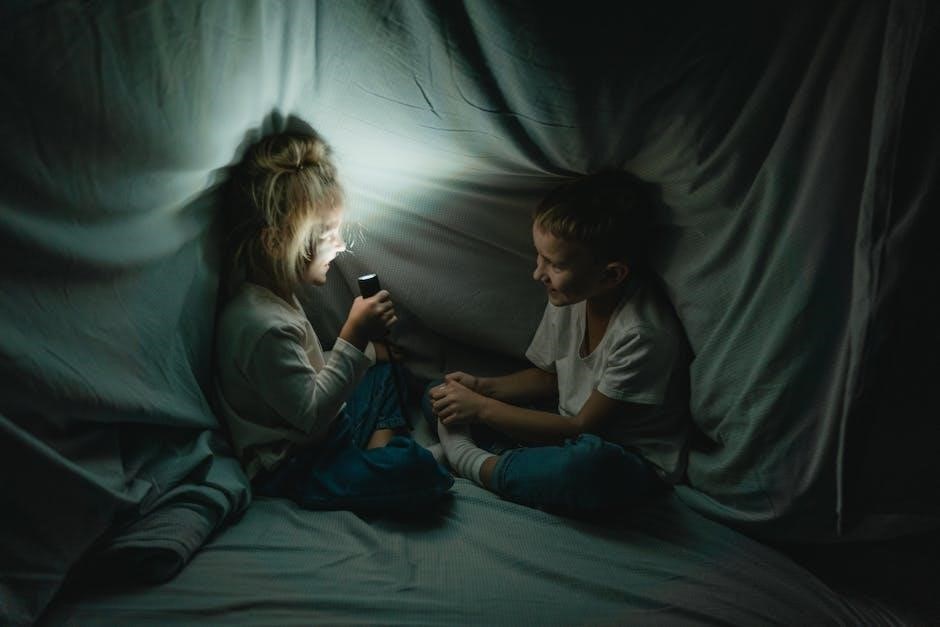
This symbolic night isn’t merely the absence of light; it’s a void filled with terror, despair, and the constant threat of death․ It signifies a world where moral boundaries have dissolved, and innocence is extinguished․ The night embodies the dehumanization experienced by the Jews, stripping them of their dignity and identity․
Wiesel deliberately uses night to emphasize the profound sense of abandonment and the overwhelming evil that permeated the concentration camps, creating a haunting and unforgettable atmosphere․
VII․2․ Fire as a Symbol of Destruction
Fire functions as a potent and multifaceted symbol within Night, primarily representing the systematic destruction inflicted upon the Jewish people during the Holocaust․ The most harrowing manifestation of this is the crematoria at Auschwitz-Birkenau, where countless lives were reduced to ashes․ This literal fire embodies the Nazis’ intent to eradicate an entire population․
However, the symbolism extends beyond physical annihilation․ Fire also represents the destruction of faith, innocence, and humanity․ Eliezer witnesses the burning of children, a horrific image that shatters his belief in a benevolent God․ The flames consume not only bodies but also hope and the possibility of a future․
Wiesel utilizes fire to convey the sheer scale of the tragedy and the irreversible damage inflicted upon the victims, serving as a constant reminder of the horrors endured․
VIII․ Discussion Questions & Critical Analysis
Engaging with Night necessitates critical examination of its enduring questions․ Consider: What does Wiesel emphasize regarding the forced march and the profound loss of his father, and how does this impact the narrative’s emotional weight?
Analyze the significance of the young man playing the violin as he faces death – what does this act of defiance or solace represent in the face of unimaginable suffering? Furthermore, explore why Wiesel concludes his memoir contemplating his emaciated reflection․
Discuss the central question Wiesel attempts to answer in the forward․ How does the memoir challenge readers to confront the complexities of faith, silence, and the responsibility of bearing witness to atrocity?

Finally, reflect on the haunting image of a city emptied of its people․
VIII;1․ The Significance of Silence and Speech
Throughout Night, silence operates as a potent symbol of despair, complicity, and the inability to articulate the horrors experienced․ The initial disbelief and apathy of the Sighet community, despite Moshe the Beadle’s warnings, exemplify this dangerous silence;
Conversely, Wiesel’s act of writing Night represents a breaking of that silence – a desperate attempt to testify and ensure that such atrocities are never forgotten․ Analyze instances where characters choose silence, and consider the consequences;

How does the lack of intervention from the outside world contribute to the escalating tragedy? Explore the power dynamics at play, where speech is suppressed and victims are rendered voiceless․
Ultimately, Wiesel’s memoir compels us to confront the ethical implications of both silence and speech in the face of injustice and suffering․
VIII․2․ Wiesel’s Purpose in Writing Night
Elie Wiesel repeatedly stated his intention in writing Night wasn’t simply to recount his experiences, but to bear witness – to ensure the world remembers the Holocaust and its victims․ He aimed to challenge readers to confront the darkest aspects of human nature and the dangers of indifference․
Consider the preface to the memoir; what central question does Wiesel attempt to answer? His narrative serves as a powerful testament against forgetting, a warning against repeating history’s mistakes, and a plea for vigilance against all forms of prejudice and hatred․
Wiesel’s writing isn’t merely historical documentation; it’s a deeply personal and spiritual journey, grappling with faith, loss, and the enduring scars of trauma․
He sought to give voice to the voiceless and to honor the memory of those who perished, transforming personal suffering into a universal message of hope and resilience․