
Genuine Essiac Tea Instructions: A Comprehensive Guide
Essiac tea, a celebrated herbal infusion, boasts a rich history and complex preparation. This guide delves into crafting authentic Essiac,
exploring its origins, ingredients, and brewing nuances for optimal wellness benefits.
Understanding the precise recipe and instructions is crucial, distinguishing it from variations and ensuring a potent, therapeutic brew.
What is Genuine Essiac Tea?
Genuine Essiac tea is a specific herbal blend, historically rooted in a formula developed by René Caisse, a Canadian nurse. It’s not simply any combination of four herbs; the precise proportions and quality of ingredients are paramount to achieving the tea’s purported benefits. The core components – burdock root, sheep sorrel, slippery elm bark, and Indian rhubarb – work synergistically, creating a complex botanical medicine.
Distinguishing genuine Essiac from imitations, often labeled “Original Essiac,” is vital. The “Original” versions frequently deviate from Caisse’s original formulation, potentially impacting efficacy. Authentic Essiac is traditionally prepared as a decoction, involving a specific boiling and steeping process. It’s important to note that while promoted for various health concerns, including cancer support, scientific evidence remains limited, and it should not replace conventional medical treatment.
The tea’s preparation is a meticulous process, demanding attention to detail to unlock its potential therapeutic properties.
The Historical Origins of Essiac Tea
The story of Essiac tea begins with René Caisse, a Canadian nurse who, in the 1920s, learned the formula from an Ojibwe medicine woman. This traditional knowledge sparked Caisse’s decades-long exploration of the tea’s potential health benefits, particularly in relation to cancer; She refined the formula and offered it to patients, documenting observations that fueled its growing reputation.
Throughout the mid-20th century, Essiac gained considerable attention, attracting both proponents and skeptics. Numerous individuals reported positive experiences, leading to increased demand and attempts to replicate the formula. However, variations emerged, resulting in the distinction between “genuine” and “original” Essiac, with the former adhering more closely to Caisse’s original proportions.
Caisse’s dedication to sharing her knowledge, coupled with the anecdotal evidence, cemented Essiac’s place in alternative health practices, continuing to inspire interest and research today.
The Four Core Ingredients
Genuine Essiac tea derives its potency from a precise blend of four key herbs: burdock root, sheep sorrel, slippery elm bark, and Indian rhubarb. Each ingredient contributes unique properties, working synergistically to support the body’s natural processes. The quality and sourcing of these components are paramount to achieving an effective brew.
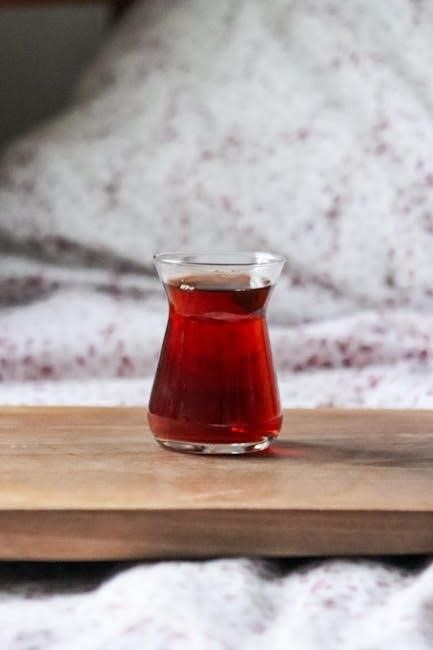
The traditional recipe calls for specific quantities of each herb, carefully balanced to maximize therapeutic benefits. Burdock root acts as a detoxifier, sheep sorrel provides essential nutrients, slippery elm soothes the digestive tract, and Indian rhubarb aids in cleansing.
Understanding the role of each ingredient is vital for appreciating the holistic approach of Essiac tea and ensuring a truly authentic preparation.
Burdock Root: Properties and Sourcing
Burdock root, a cornerstone of Genuine Essiac tea, is celebrated for its detoxifying and blood-purifying properties. Traditionally used to address skin conditions and support liver health, it contains inulin, a prebiotic fiber that promotes gut wellness. When sourcing burdock root, prioritize organically grown varieties to avoid pesticide contamination.

The root should be carefully dried and cut, ensuring optimal extraction of its beneficial compounds. Look for suppliers who offer high-quality, sustainably harvested burdock root, ideally from regions with a long history of herbal medicine. Approximately 6 cups of cut burdock root are needed for a standard 8-cup batch.
Proper sourcing guarantees a potent and effective ingredient, crucial for the tea’s overall efficacy.
Sheep Sorrel: Key Component and Benefits
Sheep sorrel is arguably the most vital component of Genuine Essiac tea, renowned for its high concentration of chlorophyll and its potential anti-inflammatory and antioxidant effects. Historically, it’s been used to support overall health and well-being, and is believed to aid in detoxification processes within the body.
For authentic Essiac, sheep sorrel should be sourced as a powdered herb, ensuring maximum bioavailability of its nutrients. One pound of powdered sheep sorrel is typically required for an 8-cup batch. It’s crucial to obtain sheep sorrel from a reputable supplier to guarantee purity and potency, avoiding potential contaminants.
The quality of sheep sorrel significantly impacts the tea’s therapeutic value.
Slippery Elm Bark: Traditional Uses
Slippery elm bark has a long history of traditional medicinal use, particularly among Native American cultures. It’s included in Genuine Essiac tea for its demulcent properties – meaning it creates a soothing, protective coating over mucous membranes. This can be beneficial for digestive health and overall comfort.
Within the Essiac formula, slippery elm contributes to the tea’s gentle yet effective cleansing action. It’s believed to help support the body’s natural detoxification pathways. While the exact quantity can vary slightly, a standard 8-cup batch typically requires approximately ¼ pound of slippery elm bark.

Ensure the bark is sourced from a reliable supplier to guarantee its authenticity and quality, contributing to the tea’s overall efficacy.
Indian Rhubarb: Considerations and Quality
Indian rhubarb (Rheum emodi) is a crucial, yet often misunderstood, component of Genuine Essiac tea. Unlike common garden rhubarb, Indian rhubarb possesses distinct properties vital to the tea’s purported benefits. It’s a potent ingredient, requiring careful consideration regarding sourcing and quantity.
Authentic Essiac recipes call for a relatively small amount – around ¼ pound for an 8-cup batch – due to its strength. It’s essential to use Rheum emodi specifically, as other rhubarb varieties can be toxic or lack the desired therapeutic compounds.
Prioritize purchasing from reputable suppliers who can verify the species and ensure it’s free from contaminants. Quality Indian rhubarb will have a rich, earthy aroma and a deep reddish-brown color.
Distinguishing Genuine Essiac from “Original” Essiac
The terms “Genuine Essiac” and “Original Essiac” often cause confusion, but represent distinct formulations with differing histories and potential efficacy. “Original Essiac” typically refers to the modified formula popularized after René Caisse’s passing, often incorporating alterations to ingredient ratios or substitutions.
Genuine Essiac adheres closely to Caisse’s initial documented recipe, emphasizing precise proportions of burdock root, sheep sorrel, slippery elm, and Indian rhubarb. Many believe the modifications in “Original” versions diminish the tea’s therapeutic power.
Key differentiators include the specific type of rhubarb used (Rheum emodi for Genuine), and the emphasis on sourcing high-quality, ethically harvested ingredients. Understanding this distinction is vital when seeking the potential benefits associated with the historically documented Essiac formula.
Sourcing Authentic Essiac Tea Ingredients
Obtaining high-quality ingredients is paramount when preparing Genuine Essiac Tea. Prioritize suppliers specializing in medicinal herbs, ensuring ethical sourcing and rigorous quality control. Burdock root should be sourced from reputable growers, ideally organic, and properly dried.
Sheep sorrel, a crucial component, requires careful selection; powdered form is common, but verify its purity and origin. Slippery elm bark should be inner bark, sustainably harvested. Authentic Indian rhubarb (Rheum emodi) is often the most challenging to find, demanding diligent research to avoid substitutions.
Consider suppliers offering third-party testing for heavy metals and contaminants. Direct sourcing from farms, when feasible, provides greater transparency. Remember, ingredient quality directly impacts the tea’s potential benefits and overall safety.
Precautions and Contraindications
Genuine Essiac Tea, while often lauded for its potential benefits, isn’t suitable for everyone. Individuals with intestinal obstructions or severe kidney issues should avoid it. Pregnant or breastfeeding women require medical consultation before use, as its effects haven’t been thoroughly studied in these populations.
Essiac can have a diuretic effect, potentially leading to dehydration; adequate fluid intake is crucial. Those on medications should consult their healthcare provider, as interactions are possible. Monitor for any adverse reactions, such as digestive upset or allergic responses.
Start with a small batch to assess tolerance. Discontinue use if experiencing discomfort. It’s vital to remember Essiac isn’t a substitute for conventional medical treatment, but a complementary approach.
Standard Essiac Tea Recipe (8-Cup Batch)
To prepare an 8-cup batch of Genuine Essiac Tea, begin with 6 cups of cut burdock root (approximately 24 ounces), 1 pound of powdered sheep sorrel, and ¼ pound of both slippery elm bark and Indian rhubarb. Combine these ingredients in a large, non-reactive pot.
Add 8 cups (64 ounces) of filtered water. Bring the mixture to a boil, then reduce heat for a simmer. Maintain a gentle boil for 10-20 minutes, ensuring the herbs infuse properly. Remove from heat and allow to steep, covered, for 4-12 hours – longer steeping yields a stronger brew.
Strain the tea through a fine-mesh sieve or cheesecloth. The resulting liquid is your Essiac Tea, ready for storage or consumption.
Measuring the Ingredients Accurately
Accurate measurement is paramount when crafting Genuine Essiac Tea, directly impacting its potency and effectiveness. Utilize a kitchen scale for precise weight measurements, especially for powdered ingredients like sheep sorrel. Volume measurements, while convenient, can be inconsistent.
For burdock root, ensure it’s cut and not powdered, measuring 6 cups packed. Sheep sorrel requires a full pound, while slippery elm and Indian rhubarb each necessitate ¼ pound. Deviations from these ratios can alter the tea’s delicate balance.
Consistency is key; maintain these proportions with each batch. Precise measurements guarantee a reliable and therapeutic brew, honoring the traditional Essiac formula and maximizing its potential benefits.
The Boiling Process: Temperature and Duration
Boiling is a critical stage in Essiac Tea preparation, demanding careful attention to temperature and timing. Begin by bringing filtered water to a rolling boil in a non-reactive pot – stainless steel or glass is ideal.
Once boiling, immediately add the measured herbs. Reduce the heat to maintain a moderate boil, avoiding a vigorous, splashing boil. This gentler simmer allows for optimal extraction of beneficial compounds.
Maintain this moderate boil for precisely ten minutes. This duration ensures the herbs release their therapeutic properties without degradation. Avoid prolonged boiling, which can diminish the tea’s potency.
Following the ten-minute boil, remove the pot from the heat and proceed to the steeping phase, crucial for developing the tea’s full flavor and medicinal qualities.
Steeping and Cooling Instructions
After the ten-minute boil, the Essiac Tea requires a thorough steeping process to fully unlock its therapeutic potential. Cover the pot tightly and allow the tea to steep for a minimum of four hours, but ideally overnight, at room temperature.

This extended steeping period is vital for extracting the full spectrum of beneficial compounds from the herbs. Avoid disturbing the tea during steeping; do not stir or lift the lid unnecessarily.

Once steeped, strain the tea through a fine-mesh strainer or cheesecloth to remove the herbal solids. Allow the strained tea to cool completely before storing it in airtight glass containers in the refrigerator.
Proper cooling and storage are essential for preserving the tea’s potency and preventing spoilage, ensuring a safe and effective herbal remedy.
Essiac Tea for Small Animals (Pint Batch)
Administering Essiac Tea to pets requires careful dosage adjustments. For smaller animals like cats, a pint batch is ideal. Begin by boiling 20 ounces of filtered water. Once boiling, add ½ ounce of burdock root, ¼ ounce of sheep sorrel, ⅛ ounce of slippery elm bark, and ⅛ ounce of Indian rhubarb.
Reduce the heat to maintain a gentle boil for ten minutes. Allow the mixture to cool completely, then strain thoroughly. This concentrated brew must be further diluted before offering it to your pet.
A general guideline is 1/4 teaspoon per 5 pounds of body weight, administered orally once or twice daily. Always consult with a veterinarian before introducing Essiac Tea into your pet’s regimen.
Adjusting the Recipe for Pets
When adapting the Essiac Tea formula for animal companions, precise adjustments are paramount to ensure safety and efficacy. The standard human recipe contains ingredients that, while beneficial for us, require dilution for smaller creatures.

Reducing the quantities of each herb proportionally is crucial. A pint batch, as previously outlined, provides a concentrated base for further dilution. Always prioritize using high-quality, organic ingredients, free from pesticides or contaminants.
Consider your pet’s individual health status and any existing conditions. Start with a very small dose and observe for any adverse reactions. Veterinary guidance is strongly recommended before incorporating Essiac Tea into your pet’s healthcare plan.
Safe Dosage Guidelines for Cats and Dogs
Determining appropriate Essiac Tea dosages for cats and dogs necessitates careful consideration of their weight and overall health. Begin with extremely conservative amounts, observing for any sensitivities.
For cats, a general guideline is 1/8 to 1/4 teaspoon of the prepared tea, mixed with water, once or twice daily. Small dogs (under 10 lbs) may receive 1/4 to 1/2 teaspoon, while larger dogs (over 50 lbs) can potentially tolerate 1 teaspoon, administered similarly.
These are merely starting points; individual responses vary. Monitor your pet closely for any changes in appetite, energy levels, or digestive function. Always consult with a veterinarian before administering Essiac Tea, especially if your pet has pre-existing medical conditions or is taking other medications.
Storage and Shelf Life of Prepared Essiac Tea
Proper storage is paramount to maintaining the potency and quality of your brewed Essiac Tea. Once prepared, the tea should be stored in a clean, airtight glass container, shielded from direct sunlight and heat.
Refrigeration is essential. Properly stored, Essiac Tea will generally remain viable for up to five to seven days. However, observe for any signs of spoilage, such as a change in odor or appearance, and discard if questionable.
Freezing can extend the shelf life to several months, but may slightly alter the tea’s texture upon thawing. It’s best to freeze in smaller portions for convenient use. Always label the container with the preparation date to ensure freshness and track usage.
Potential Side Effects and Monitoring
While generally considered safe, Essiac Tea can induce mild side effects, particularly during the initial stages of consumption. These may include temporary digestive upset, such as diarrhea or mild cramping, as the body detoxifies.
Fatigue and skin rashes have also been reported, typically subsiding within a few days. It’s crucial to start with a small dosage and gradually increase it, allowing your body to adjust.
Closely monitor your body’s response, noting any unusual or persistent symptoms. Individuals with pre-existing medical conditions, especially kidney or liver issues, should consult a healthcare professional before use. Regular blood tests can help assess the tea’s impact and ensure safe consumption.
Long-Term Use Considerations
For those considering Essiac Tea as a long-term wellness strategy, cyclical use is often recommended. Continuous, uninterrupted consumption may diminish its effectiveness as the body can adapt. A common approach involves consuming the tea for several weeks or months, followed by a break of similar duration.
This allows the body to fully benefit from its effects and prevents potential tolerance. Maintaining a healthy lifestyle – including a balanced diet and regular exercise – complements the tea’s benefits.
Periodic health check-ups are advisable to monitor overall well-being and assess any long-term impacts. Remember, Essiac Tea is a supportive therapy and should not replace conventional medical treatments.
Combining Essiac Tea with Other Therapies
Essiac Tea is frequently viewed as a complementary therapy, best utilized alongside, rather than as a replacement for, conventional medical treatments. When integrating it with other modalities, open communication with your healthcare provider is paramount.
Consider potential interactions with medications, particularly those affecting the immune system or blood clotting. Essiac’s detoxifying properties may enhance the effects of other cleansing therapies, but caution is advised to avoid overwhelming the body.
Nutritional support, such as a plant-based diet rich in antioxidants, can synergistically amplify Essiac’s benefits. Mind-body practices like meditation and yoga can further support the body’s natural healing processes. Always prioritize a holistic approach to wellness.
Understanding the pH Level of Essiac Tea
The pH of properly prepared Essiac Tea is a crucial factor influencing its efficacy and tolerability. Ideally, the final brew should exhibit a slightly alkaline pH, generally ranging between 7.5 and 8.5. This alkalinity is believed to contribute to its purported health benefits, aiding in detoxification and creating a less hospitable environment for certain pathogens.
Factors impacting pH include water quality, ingredient sourcing, and brewing time. Using filtered water is essential, as tap water can contain minerals affecting the pH balance. Precise adherence to the recipe and avoiding over-boiling or prolonged steeping are also vital.
Monitoring pH with litmus strips or a pH meter can ensure optimal potency. Maintaining the correct pH enhances absorption and maximizes the therapeutic potential of this ancient herbal remedy.
Variations in Essiac Tea Preparation Methods
While a standardized recipe exists for Genuine Essiac Tea, subtle variations in preparation methods are common. Some practitioners advocate for a specific order of ingredient addition during the boiling process, believing it impacts extraction efficiency. Others suggest adjusting brewing times based on ingredient freshness and personal preference.
A notable variation involves using different ratios of the four core ingredients – burdock root, sheep sorrel, slippery elm, and Indian rhubarb – though deviating significantly from the traditional proportions may alter the tea’s properties. Some individuals prefer a longer steeping period to maximize nutrient release, while others opt for a shorter duration to minimize potential bitterness.
Experimentation within reasonable bounds is acceptable, but maintaining the fundamental principles of the instructions is key to preserving the tea’s integrity and potential benefits.
The Role of Water Quality in Brewing
The quality of water used significantly impacts the final product when preparing Genuine Essiac Tea. Filtered water is universally recommended, as tap water often contains chlorine, fluoride, and other minerals that can interfere with the herbal infusion process and potentially diminish the tea’s therapeutic properties.
Distilled water, while pure, lacks the mineral content that can aid in extracting beneficial compounds from the herbs. Spring water, if sourced from a reputable source, can be an excellent alternative, providing natural minerals without harmful contaminants.
Avoid using softened water, as the sodium content can alter the tea’s taste and potentially counteract its benefits. Following the instructions and prioritizing pure, mineral-rich water is crucial for a potent and flavorful brew.
Frequently Asked Questions About Essiac Tea
Is Essiac tea safe? While generally well-tolerated, consulting a healthcare professional before use is vital, especially with existing conditions or medications.
What’s the difference between Essiac and Original Essiac? Authentic Essiac follows René Caisse’s original formula, while “Original Essiac” often contains variations.
How long can I store prepared Essiac tea? Refrigerated, it lasts up to five days. Freezing extends shelf life considerably.
Can I adjust the recipe? Strict adherence to the instructions is recommended initially. Experienced users may experiment cautiously.
Will Essiac tea interact with my medications? Potential interactions exist; professional guidance is essential.
Is it okay to drink Essiac tea every day? Long-term use requires monitoring and professional advice.