
Cocktail Codex PDF: A Comprehensive Guide

Cocktail Codex, authored by Day, Kaplan, Fauchald, and Tarby, is a detailed resource simplifying the art of mixology, offering a unique approach to crafting exceptional drinks.
Cocktail Codex, released in October 2018, represents a significant contribution to the world of cocktail crafting, building upon the foundation laid by the authors’ previous work, Death & Co. This book isn’t merely a collection of recipes; it’s a comprehensive guide designed to empower both novice and experienced bartenders with a deeper understanding of cocktail construction.
The core philosophy revolves around the idea that countless cocktails can be traced back to a surprisingly small number of fundamental templates. Instead of memorizing hundreds of individual recipes, Cocktail Codex encourages a method of understanding the underlying principles, allowing for improvisation and the creation of original drinks. It’s a primer on the craft, offering tools to deconstruct, execute, and innovate within the cocktail universe.
The book’s approach is systematic, providing a framework for mastering the art of the mix, and is accompanied by a helpful bottle compendium detailing recommended spirits.
The Authors and Their Approach
Cocktail Codex is the brainchild of Alex Day, David Kaplan, Nick Fauchald, and Devon Tarby – a team deeply rooted in the acclaimed cocktail bar, Death & Co. Their combined experience and expertise shine through in the book’s meticulous detail and insightful approach to mixology.
Having established Death & Co as a globally recognized leader in cocktail culture, the authors sought to distill their knowledge into a resource accessible to all. Their approach isn’t about rigid adherence to tradition, but rather a thoughtful understanding of flavor profiles and balance. They champion a system of “root cocktails,” identifying core templates that underpin a vast array of drinks.
This methodology allows bartenders to move beyond simply following recipes and instead, confidently adapt and create, fostering a deeper connection to the craft. The authors’ goal was simplification, offering a pathway to mastery for every level of drink-maker.
The “Root Cocktail” Concept
At the heart of Cocktail Codex lies the innovative “root cocktail” concept. The authors posit that, despite the seemingly endless variety of cocktails, nearly all can be traced back to just six fundamental recipes. This revolutionary idea simplifies the complex world of mixology, providing a foundational framework for understanding and creating drinks.
These six “roots” – the Sour, the Old Fashioned, the Manhattan, the Martini, the Daiquiri, and the Flip – represent core flavor structures. By mastering these templates, bartenders can deconstruct existing cocktails or invent entirely new ones with confidence. The book meticulously details each root, exploring variations and demonstrating how they relate to countless classic and modern recipes.
This approach isn’t restrictive; it’s empowering. It encourages improvisation and a deeper understanding of how ingredients interact, moving beyond rote memorization towards true cocktail artistry.
Understanding the Core Principles
Cocktail Codex emphasizes mastering foundational techniques and ingredient knowledge, enabling bartenders to confidently build, balance, and modify cocktails with precision and creativity.
The Six Fundamental Cocktail Recipes
Cocktail Codex revolutionizes cocktail creation by asserting that nearly all drinks stem from just six core recipes. These aren’t specific cocktails, but rather structural templates. They provide a framework for understanding how flavors interact and allow for endless improvisation.
These foundational recipes are the Sour, Old Fashioned, Manhattan, Martini, Daiquiri, and Flip. Mastering these allows a bartender to deconstruct and reconstruct any cocktail, understanding its essential components. The authors demonstrate how variations arise from adjustments to these core structures, changing spirits, sweeteners, modifiers, and bitters.
This approach moves beyond rote memorization of recipes, fostering a deeper comprehension of cocktail construction. It empowers drink-makers to confidently create both classic and original concoctions, adapting to available ingredients and personal preferences. It’s a system built on understanding, not just following instructions.
Building Blocks: Spirits Selection
Cocktail Codex emphasizes that the foundation of any great cocktail lies in the quality of its spirits. The book doesn’t just list spirits; it provides guidance on selecting bottles that offer the best value and flavor profiles for various cocktails. Understanding the nuances of each spirit is crucial for achieving balance and complexity.
The authors advocate for building a well-rounded bar with versatile options. They stress the importance of considering the spirit’s origin, production method, and flavor characteristics. This informed selection process elevates the final drink, ensuring it’s not just mixed, but thoughtfully crafted.
Cocktail Codex also includes a companion “Bottle Compendium” detailing specific recommendations, aiding bartenders in navigating the vast world of spirits and making informed purchasing decisions.
Bourbon Recommendations
Cocktail Codex’s bourbon recommendations focus on versatility for classic cocktails like the Manhattan and Old Fashioned, but also for exploring diverse flavor profiles. The authors suggest options spanning different price points, catering to both novice and experienced cocktail enthusiasts.
Bottles like Wild Turkey 101 are highlighted for their high proof and bold character, ideal for drinks needing to cut through other ingredients. Conversely, they recommend bourbons like Four Roses Single Barrel for a more refined and nuanced experience.
The guide emphasizes that the “best” bourbon depends on personal preference and the intended cocktail. Cocktail Codex encourages experimentation, suggesting exploring different mash bills and aging processes to discover individual favorites, building a personalized bourbon selection.
Rye Whiskey Choices
Cocktail Codex emphasizes rye whiskey’s crucial role in cocktails demanding spice and structure, particularly the Manhattan and Sazerac. The authors advocate for understanding the diverse styles of rye available, from high-rye mash bills to those with a sweeter profile.
Recommendations include Rittenhouse Rye Bottled-in-Bond, praised for its assertive spice and affordability, making it a workhorse for classic recipes. They also suggest exploring Knob Creek Rye for a richer, more approachable flavor.
Cocktail Codex stresses that rye selection should align with the desired cocktail outcome; a spicier rye will create a bolder drink, while a softer rye offers balance. The guide encourages building a rye collection to cater to varied preferences and cocktail creations.
Gin Varieties
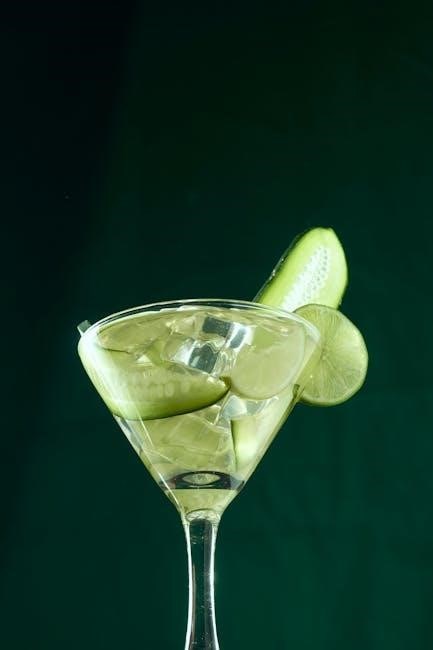
Cocktail Codex highlights gin’s versatility, noting its broad spectrum of styles significantly impacts cocktail flavor profiles. The authors categorize gins based on their dominant botanical profiles – London Dry, Old Tom, and Genever – each lending unique characteristics to classic drinks.

For London Dry gins, they recommend Beefeater and Tanqueray, emphasizing their crisp juniper-forward notes ideal for Martinis and Gimlets. Old Tom gins, like Hayman’s Old Tom, are suggested for a softer, slightly sweeter profile, enhancing cocktails like the Tom Collins.
Cocktail Codex encourages experimentation with different gin styles, recognizing that the “best” gin depends on personal preference and the specific cocktail being prepared. Understanding these nuances unlocks a deeper appreciation for gin-based drinks.
Essential Liqueurs and Vermouths
Cocktail Codex emphasizes that beyond base spirits, liqueurs and vermouths are crucial for balanced and complex cocktails. The book details how these ingredients contribute sweetness, bitterness, and aromatic depth, elevating drinks beyond simple spirit mixtures.
The authors stress the importance of quality ingredients, noting that subpar vermouth or liqueurs can significantly detract from a cocktail’s overall flavor. They advocate for keeping vermouth refrigerated after opening to preserve its freshness and prevent oxidation.
Cocktail Codex doesn’t just list ingredients; it explains why certain choices work, empowering bartenders to understand flavor interactions and make informed substitutions. This foundational knowledge is key to both executing classic recipes and creating original concoctions.
Sweet Vermouth Options
Cocktail Codex highlights sweet vermouth as a cornerstone of classic cocktails like the Manhattan and Boulevardier, emphasizing its role in adding depth and complexity. The book doesn’t prescribe a single “best” option, but rather guides readers through the spectrum of styles available.
Carpano Antica Formula is frequently lauded as a premium choice, known for its rich, vanilla-infused profile and pronounced spice. However, Cocktail Codex also acknowledges the value of more affordable options like Cocchi di Torino, which offers a balanced sweetness and herbal notes.
The authors suggest experimenting with different sweet vermouths to discover personal preferences and how they interact with various base spirits. They also advise considering the vermouth’s age and production method, as these factors influence its flavor profile.
Dry Vermouth Choices
Cocktail Codex underscores the importance of quality dry vermouth, particularly for cocktails like the Martini and Negroni, where its subtle flavors significantly impact the final result. The authors advocate for using fresh vermouth, as it oxidizes quickly once opened, losing its aromatic complexity.
Dolin Dry is frequently recommended as a versatile and reliable option, offering a crisp, floral profile with a pleasant herbal backbone. Noilly Prat, a French vermouth, is also highlighted for its distinctive savory notes and slightly bolder character.
Cocktail Codex encourages exploration beyond these staples, suggesting that different dry vermouths can impart unique nuances to classic recipes. Considering the vermouth’s dryness level and botanical composition is key to achieving the desired balance in a cocktail.
Other Key Liqueurs
Cocktail Codex emphasizes that a well-stocked bar extends beyond base spirits and vermouths, requiring a selection of quality liqueurs to unlock a wider range of cocktail possibilities. Orange liqueurs, such as Cointreau and Pierre Ferrand Dry Curaçao, are deemed essential for classics like the Margarita and Sidecar, each offering distinct citrus profiles.
The book also highlights the versatility of amaro, Italian herbal liqueurs, noting their ability to add complexity and bitterness to various drinks. Brands like Campari and Averna are recommended for their unique flavor characteristics.
Furthermore, Cocktail Codex suggests keeping a bottle of crème de cacao on hand for chocolate-forward cocktails and a quality grenadine for adding sweetness and color. These additions, alongside others, elevate the home bar experience.

Classic Cocktails Featured in Cocktail Codex
Cocktail Codex expertly details iconic recipes, including the Manhattan, Mojito, Tequila Sunrise, and Blue Lagoon, showcasing how fundamental techniques apply to beloved, time-tested drinks.
Manhattan: A Timeless Classic
The Manhattan, a cornerstone of classic cocktails, receives detailed attention within Cocktail Codex; The book breaks down this sophisticated drink to its core components – whiskey, sweet vermouth, and bitters – illustrating how variations arise from spirit selection and vermouth profiles.
Cocktail Codex emphasizes the importance of balance, noting the traditional ratio of two parts whiskey to one part sweet vermouth, alongside a dash of bitters. It guides readers through choosing the right whiskey, suggesting both bourbon and rye as viable options, each imparting a distinct character to the final drink.
The authors delve into the nuances of sweet vermouth, highlighting how different brands contribute varying levels of sweetness and complexity. Furthermore, the book explores the role of bitters, suggesting options beyond the standard Angostura to customize the Manhattan to individual preferences. Cocktail Codex doesn’t just provide a recipe; it provides understanding.
Mojito: A Refreshing Favorite
Cocktail Codex approaches the Mojito, a globally beloved drink, with its signature analytical depth. While seemingly simple – rum, mint, lime, sugar, and soda – the book dissects the elements crucial for achieving a truly exceptional Mojito. It emphasizes the importance of fresh, high-quality ingredients, particularly the mint and lime.
The authors detail the proper technique for muddling mint, advocating for a gentle approach to release the aromatics without bruising the leaves, which can lead to bitterness. Cocktail Codex also explores the impact of different rum styles, suggesting both white and aged rums can be used, each offering a unique flavor profile.
Beyond the core ingredients, the book discusses the role of sugar – simple syrup versus granulated – and the importance of balancing sweetness with the tartness of the lime. It positions the Mojito as a prime example of a refreshing, balanced cocktail, perfect for warm weather enjoyment, and a staple in the world’s 100 greatest classic cocktails.
Tequila Sunrise: A Vibrant Choice
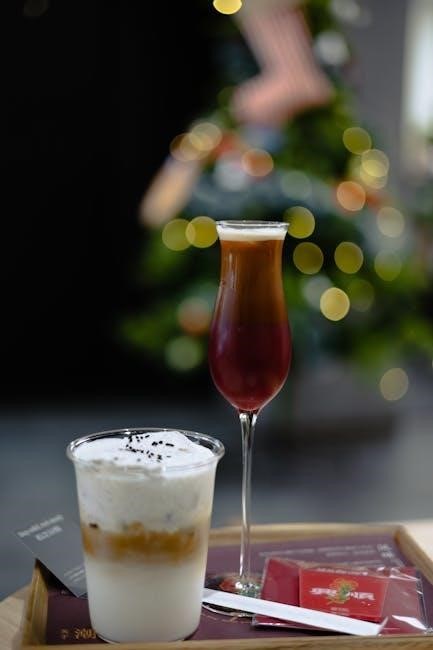
Cocktail Codex examines the Tequila Sunrise, a visually striking and widely popular cocktail, acknowledging its modern classic status. The book likely deconstructs the drink’s components – tequila, orange juice, and grenadine – to understand how they interact to create its signature layered effect and flavor profile.
While often considered a simple drink, Cocktail Codex would likely emphasize the importance of tequila selection, potentially recommending specific types (blanco, reposado) to achieve the desired taste. The quality of the orange juice is also crucial, with freshly squeezed juice being preferred for optimal flavor.
The authors probably discuss the technique for layering the grenadine, ensuring it settles at the bottom to create the “sunrise” effect. Recognized among the world’s 100 greatest classic cocktails for 2025, the Tequila Sunrise represents a vibrant and accessible entry point into the world of cocktail making.
Blue Lagoon: A Popular Modern Classic
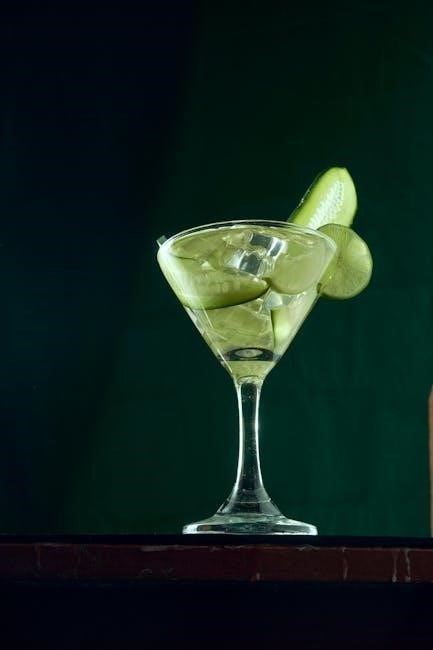
Cocktail Codex likely features the Blue Lagoon, acknowledging its status as a globally recognized, though often debated, modern classic cocktail. The book probably analyzes the drink’s composition – vodka, blue curaçao, and lemonade – dissecting how these ingredients combine to deliver its sweet and citrusy profile, alongside its distinctive vibrant blue hue.
The authors would likely explore the role of blue curaçao, a liqueur contributing both flavor and color, and potentially discuss variations in quality and their impact on the final drink. Cocktail Codex might also address the importance of balancing the sweetness of the curaçao and lemonade with the strength of the vodka.
Included in the list of the 100 greatest classic cocktails for 2025, the Blue Lagoon exemplifies a visually appealing and approachable cocktail, demonstrating the evolution of cocktail culture.

Accessing the Cocktail Codex PDF & Resources
Cocktail Codex resources, including a bottle compendium listing recommended spirits, are available online, with the PDF accessible through various digital platforms and retailers.
Finding the PDF Online
Locating the Cocktail Codex PDF requires navigating various online avenues. While a direct, official free PDF download isn’t readily available from the authors, several platforms offer it for purchase. Major ebook retailers like Amazon Kindle, Google Play Books, and Apple Books consistently stock the digital version.
Furthermore, exploring online libraries and digital book subscription services may yield access. Be cautious of unofficial websites offering free downloads, as these can pose security risks or provide low-quality, incomplete versions.
Searching specifically for “Cocktail Codex PDF download” will return numerous results, but verifying the source’s legitimacy is crucial. The “Cocktail Codex Bottles Compress” document, a companion resource listing spirit recommendations, is often found as a separate PDF file available through online searches and forums dedicated to mixology. Remember to prioritize legal and secure download options to support the authors and ensure a quality reading experience.
Companion Resources & Bottle Compendium
Beyond the core Cocktail Codex book, valuable companion resources enhance the learning experience; A frequently sought-after document is the “Cocktail Codex Bottles Compress,” available online as a PDF or text file. This compendium meticulously details the authors’ recommended spirits – bourbon, rye, gin, vodka, vermouth, and rum – offering specific brand and product suggestions.
This bottle guide is invaluable for replicating the cocktails featured in the book and understanding the nuances of spirit selection. It’s often shared within online mixology communities and forums.
While not an official extension directly from the publishers, it’s a widely circulated and highly regarded resource created by enthusiasts based on the book’s principles. Utilizing this compendium alongside the Cocktail Codex allows for a deeper dive into the world of cocktail creation, empowering both novice and experienced bartenders to elevate their craft.