shark rotator professional user manual

Shark Rotator Professional User Manual: A Comprehensive Guide

Welcome! This detailed manual provides essential instructions for your Shark Rotator Professional, ensuring optimal performance and a consistently clean home environment․

Congratulations on selecting the Shark Rotator Professional! This powerful vacuum is engineered to deliver exceptional cleaning performance on both carpets and hard floors, offering versatility and convenience․ Its innovative Lift-Away technology allows for portable cleaning, reaching difficult areas with ease․

The Rotator Professional boasts a multi-floor brushroll, automatically adjusting to different surface types for a thorough clean․ Equipped with advanced filtration, it captures dust and allergens, promoting a healthier home․ This user manual will guide you through assembly, operation, maintenance, and troubleshooting, maximizing your cleaning experience․ Prepare to enjoy a spotless home with the Shark Rotator Professional!

Unboxing and Parts Identification

Carefully unpack your Shark Rotator Professional and verify all components are present․ The box should contain the main vacuum body, a wand, a handle, a floor nozzle with brushroll, a dust cup, and various attachments․

Key components include: the motorized brush head, a crevice tool for tight spaces, a dusting brush for delicate surfaces, and an upholstery tool for furniture․ Refer to the included parts diagram for visual identification․ Ensure no parts are damaged during shipping․ Familiarizing yourself with each component before assembly will streamline the setup process and ensure optimal performance from your new vacuum cleaner․

Main Vacuum Body

The core of your Shark Rotator Professional, the main body houses the motor, dust cup, and filtration system․ It’s designed for maneuverability with swivel steering and lightweight construction․ Notice the Lift-Away button, enabling portable cleaning․

Inspect the body for any shipping damage․ The power button and brushroll controls are conveniently located for easy access during operation․ The dust cup latch secures the container, preventing spills during emptying․ Proper handling of the main body ensures longevity and efficient cleaning performance․ Familiarize yourself with its features before attaching other components․

Wand and Handle Assembly

The wand and handle provide extended reach for cleaning various surfaces․ The handle features ergonomic grips for comfortable maneuvering and integrated controls for power and brushroll activation․ Ensure a secure connection between the wand and the main vacuum body – a click indicates proper attachment․

The wand’s length is adjustable, allowing customization for different user heights and cleaning tasks․ It’s compatible with various attachments for specialized cleaning․ Regularly check for any cracks or damage to the wand or handle․ Proper assembly and maintenance of these components contribute to efficient and effective vacuuming․

Brushroll and Floor Nozzle

The brushroll and floor nozzle are critical for effective floor cleaning․ The brushroll’s bristles agitate dirt and debris from carpets and hard floors, while the nozzle directs suction power․ Different nozzle types cater to specific floor surfaces – check your model’s included options․

Regular inspection of the brushroll is vital to remove tangled hair, strings, and fibers that can reduce performance․ The floor nozzle should be checked for blockages as well․ Proper maintenance ensures optimal suction and cleaning ability․ A clean brushroll and unobstructed nozzle maximize the vacuum’s efficiency on all floor types․

Assembling Your Shark Rotator Professional

Initial assembly is straightforward, designed for quick setup․ Begin by connecting the wand to the main vacuum body, ensuring a secure click to confirm proper attachment․ Next, attach the handle to the wand, again listening for a distinct locking sound․ Finally, connect the floor nozzle to the wand or directly to the vacuum body in Lift-Away mode․

Double-check all connections before use to prevent leaks in suction power․ A properly assembled unit maximizes cleaning efficiency․ Refer to the parts diagram for visual guidance if needed․ Correct assembly is crucial for optimal performance and a hassle-free cleaning experience․

Understanding the Control Panel

The control panel is intuitively designed for ease of use․ The Power Button initiates vacuuming and features settings for floor type – hard floor, carpet, and max power․ Utilize these settings to optimize cleaning performance on various surfaces․

The Brushroll On/Off Switch allows you to disable brushroll rotation for delicate floors or when transitioning between surfaces․ Important: Disengaging the brushroll on carpets reduces cleaning effectiveness․ Familiarize yourself with these controls to tailor your vacuuming experience and achieve the best possible results․ Experiment with settings to find what works best for your home!

Power Button and Settings

The Power Button is prominently located for easy access․ A single press initiates vacuuming․ Subsequent presses cycle through the available settings: Hard Floor, ideal for bare floors and minimizing scatter; Carpet, optimized for deep cleaning carpets and rugs; and Max Power, for tackling stubborn debris and heavily soiled areas․

Understanding these settings is crucial for efficient cleaning․ The Hard Floor setting reduces brushroll speed, preventing scratching․ Carpet mode increases suction and brushroll speed․ Max Power delivers the highest level of cleaning, but may reduce runtime․ Always select the appropriate setting for the surface you are cleaning․

Brushroll On/Off Switch

The Brushroll On/Off Switch provides versatile cleaning options․ Located conveniently on the floor nozzle, this switch allows you to disable the brushroll while maintaining suction․ This is particularly useful when transitioning between hard floors and area rugs, or when cleaning delicate surfaces․

Disabling the brushroll prevents scattering of debris on hard floors and protects sensitive rugs from damage․ When activated, the brushroll agitates carpet fibers, loosening dirt and debris for powerful suction․ Remember to re-engage the brushroll when returning to carpeted surfaces for optimal cleaning performance․

Operating Instructions: Basic Vacuuming

To begin vacuuming, ensure the dust cup is properly installed and the filters are clean․ Select your desired suction setting using the control panel․ For carpets, utilize a higher suction setting, while lower settings are ideal for hard floors and delicate rugs․

Begin with long, overlapping strokes, slowly moving the vacuum forward․ Allow the brushroll to agitate the carpet fibers, lifting embedded dirt and debris․ For hard floors, use the brushroll off setting to avoid scattering․ Regularly empty the dust cup to maintain optimal suction power and cleaning efficiency․

Utilizing the Lift-Away Feature

The Lift-Away feature provides enhanced portability for cleaning above-floor areas and reaching difficult spaces․ To activate, press the release button on the vacuum body, detaching the canister from the base․ Now, carry the canister directly, utilizing the handle for comfortable maneuvering․

This is perfect for stairs, upholstery, and tight corners․ Attach the desired accessory tool to the hose for targeted cleaning․ Remember to reattach the canister to the base for standard floor vacuuming․ The Lift-Away function expands cleaning versatility, making your Shark Rotator Professional exceptionally adaptable․

Above-Floor Cleaning with Attachments

Your Shark Rotator Professional excels at above-floor cleaning thanks to its versatile attachments․ Connect the wand and desired tool to the vacuum hose for extended reach․ The crevice tool tackles narrow spaces, baseboards, and edges with precision․ Utilize the dusting brush for delicate surfaces like furniture, lampshades, and blinds, gently removing dust;

For upholstery, the specialized tool effectively lifts dirt and debris from sofas, chairs, and cushions․ Ensure proper attachment security before operation․ These attachments transform your vacuum into a powerful cleaning solution for every corner of your home, beyond just floors․

Crevice Tool

The Crevice Tool is your go-to attachment for reaching tight, awkward spaces where dirt and debris accumulate․ This slender tool effortlessly cleans along baseboards, between furniture cushions, and in narrow cracks․ It’s perfect for detailed cleaning in corners and along edges, areas often missed by standard vacuuming․

To use, securely attach the Crevice Tool to the wand or directly to the vacuum hose․ Apply gentle pressure and maneuver the tool into the desired space․ Its focused suction power effectively removes dust, crumbs, and pet hair․ Regular use of the Crevice Tool ensures a thoroughly clean home․

Dusting Brush

The Dusting Brush is designed for gentle yet effective cleaning of delicate surfaces․ Utilize it on furniture, lampshades, blinds, and bookshelves to remove dust without causing damage․ Its soft bristles attract and trap dust particles, preventing them from scattering into the air․

For optimal results, attach the Dusting Brush to the wand or hose․ Hold the brush slightly above the surface and move it in long, sweeping motions․ The flexible design allows it to navigate around objects easily․ Regular dusting with this attachment helps maintain a clean and healthy living space, minimizing allergens․

Upholstery Tool

The Upholstery Tool excels at deep cleaning sofas, chairs, and other fabric-covered furniture․ Its specialized design effectively removes pet hair, dust, and other debris embedded within upholstery fibers․ This tool is crucial for maintaining a fresh and hygienic living area․

To use, attach the Upholstery Tool to the wand or hose․ Gently glide the tool across the fabric surface, using overlapping strokes․ For stubborn stains or pet hair, apply slightly more pressure․ Regularly cleaning upholstery prevents buildup of allergens and extends the life of your furniture․ Remember to test on an inconspicuous area first!

Emptying the Dust Cup

Regularly emptying the dust cup is vital for maintaining optimal suction power and vacuum performance․ A full dust cup significantly reduces cleaning effectiveness․ The Shark Rotator Professional features an easy-empty dust cup designed for hygienic disposal of collected debris․

To empty, detach the dust cup from the vacuum body by pressing the release button․ Hold the dust cup over a trash receptacle and press the bottom release latch to open the cup and empty its contents․ Ensure the dust cup is securely reattached before resuming vacuuming․ Cleaning the dust cup with warm, soapy water periodically is recommended․

Filter Maintenance and Cleaning

Maintaining clean filters is crucial for preserving suction and air quality․ The Shark Rotator Professional utilizes both a pre-motor filter and a HEPA filter to trap dust and allergens․ Regularly check and clean these filters according to the recommended schedule․

To clean the pre-motor filter, remove it from the vacuum and hand wash it in warm water․ Allow it to dry completely before reinstalling – typically 24 hours․ The HEPA filter should be tapped gently to remove loose dust, and replaced every six months for optimal performance․ Never wash the HEPA filter․

Brushroll Maintenance and Troubleshooting

Regular brushroll maintenance prevents tangles and ensures effective floor cleaning․ Periodically inspect the brushroll for hair, string, or debris․ Use the included brushroll cleaning tool, or scissors (carefully!), to remove any wrapped materials․
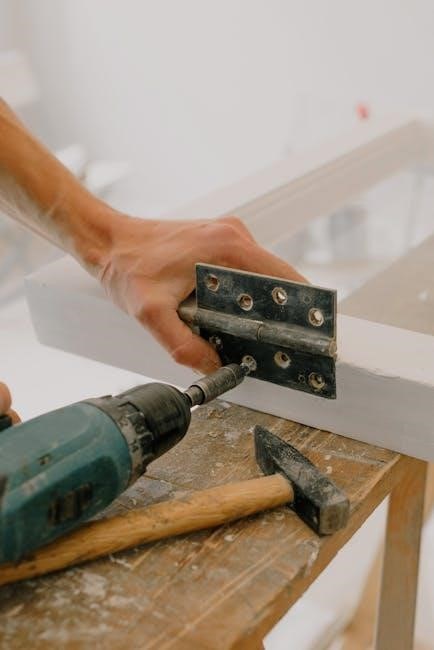
If the brushroll isn’t spinning, first check for obstructions․ Then, verify the brushroll on/off switch is in the ‘on’ position․ If issues persist, inspect the belt for breakage or stretching – replacement may be necessary․ Always disconnect the vacuum from power before performing any brushroll maintenance or troubleshooting․

Common Issues and Solutions

Reduced suction power is often caused by a full dust cup or clogged filters – empty and clean these regularly․ If the vacuum overheats, immediately turn it off and allow it to cool for at least 60 minutes․ Check for blockages in the hose or wand․

Persistent odors indicate a need for filter replacement․ For brushroll issues, ensure it’s free of tangles and the belt is intact․ Always refer to the troubleshooting section for detailed guidance before contacting customer support․ Regular maintenance prevents most common problems․

Troubleshooting: Loss of Suction
Experiencing suction loss? First, check the dust cup – a full cup drastically reduces power․ Next, inspect the filters; clogged filters are a primary cause․ Examine the hose and wand for blockages, removing any obstructions․

Verify the brushroll is spinning freely and isn’t tangled with hair or debris․ Ensure proper attachment of all components․ If the issue persists, consult the full troubleshooting guide or contact Shark’s customer support for assistance․ Regular checks prevent significant suction loss․

Storage and Care

Proper storage extends your vacuum’s life․ When not in use, store the Shark Rotator Professional in a cool, dry place, away from direct sunlight․ Detach and empty the dust cup after each use to prevent odors and maintain suction․

Periodically wipe down the exterior with a damp cloth․ Inspect the brushroll for tangled hair and debris, removing as needed․ Avoid storing with the power cord wrapped tightly, as this can cause damage․ Following these simple steps ensures lasting performance and cleanliness․

Warranty Information

Your Shark Rotator Professional is backed by a comprehensive warranty, protecting against defects in materials and workmanship․ The standard warranty covers the vacuum for five years from the date of purchase․ This warranty includes motor and suction power․

Accessories are typically covered for one year․ To make a warranty claim, retain your original purchase receipt and contact Shark customer service․ Damage caused by misuse, abuse, or unauthorized repairs is not covered․ Visit the official Shark website for complete warranty details and registration․

Safety Precautions

Always unplug your Shark Rotator Professional before performing any maintenance or troubleshooting․ Never operate the vacuum with a damaged cord or plug – immediate replacement is crucial․ Avoid using the vacuum on wet surfaces or with flammable liquids․

Keep hair, loose clothing, and fingers away from moving parts․ Do not use the vacuum as a toy; close supervision is needed around children․ Ensure proper ventilation during use to prevent overheating․ Refer to the full manual for detailed safety guidelines and warnings to ensure safe operation․

Frequently Asked Questions (FAQ)

Q: My vacuum isn’t picking up debris – what should I do? A: Check the dust cup, filters, and brushroll for obstructions․ Q: How often should I clean the filters? A: Wash the filters every month and replace them every two years for optimal suction․

Q: Can I use my Shark Rotator on hardwood floors? A: Yes, use the “Hard Floor” setting and ensure the brushroll is turned off to avoid scratching․ Q: What does the “Lift-Away” feature do? A: It allows for portable cleaning of stairs and above-floor areas․ Consult the manual for more detailed answers․
specialized sport bike computer manual

Specialized bike computers enhance your riding experience‚ offering crucial data for performance gains. These devices‚ like the SL Pro‚ integrate seamlessly with Specialized bikes.

Understanding your computer’s manual unlocks its full potential‚ providing insights into features and data interpretation for optimal training and enjoyment on every ride.

What is a Specialized Sport Bike Computer?

Specialized sport bike computers are meticulously engineered devices designed to elevate the cycling experience‚ providing real-time data crucial for performance analysis and training optimization. These aren’t simply speedometers; they’re sophisticated systems integrating with sensors to track metrics like cadence‚ heart rate‚ and power output.

The Specialized manual details how these computers‚ such as the SL Pro‚ SL Comp‚ and SL Mini‚ connect to your bicycle and smartphone. They offer customizable data fields‚ GPS tracking‚ and connectivity to platforms like Strava‚ empowering riders to monitor progress and achieve their fitness goals.

Why Use a Bike Computer for Sport Riding?

Utilizing a bike computer‚ as detailed in the Specialized manual‚ transforms sport riding from subjective feel to objective measurement. These devices provide instant feedback on speed‚ distance‚ and time‚ enabling precise pacing and efficient training.

Beyond basic metrics‚ computers track performance indicators‚ aiding in identifying strengths and weaknesses. Integration with platforms like Strava allows for data analysis and comparison‚ fostering motivation and improvement. Understanding the manual unlocks these benefits‚ maximizing your ride’s potential.

Key Features to Consider

Specialized computer selection‚ guided by the manual‚ hinges on data tracking‚ GPS accuracy‚ display clarity‚ and battery life—essential for informed riding decisions.

Data Tracking Capabilities

Specialized bike computers‚ as detailed in the manual‚ excel at tracking vital metrics. These include speed‚ distance‚ time‚ cadence‚ and heart rate when paired with compatible sensors. Advanced models offer power data analysis‚ crucial for structured training.

The manual explains how to customize displayed data fields‚ prioritizing information relevant to your riding style and goals. Understanding these capabilities allows riders to monitor performance‚ identify areas for improvement‚ and optimize their training regimens for maximum efficiency and enjoyment.

GPS Accuracy and Reliability

The Specialized bike computer manual emphasizes the importance of GPS for accurate ride data. These devices utilize GPS to track routes‚ speed‚ and distance‚ offering reliable performance even in challenging environments.

The manual details troubleshooting steps for GPS signal loss‚ recommending open sky views for optimal reception. Consistent GPS accuracy is vital for performance analysis and navigation‚ ensuring riders can confidently explore new routes and monitor their progress with precision.

Display Size and Visibility

The Specialized bike computer manual highlights the importance of a clear‚ readable display during rides. Models like the SL Pro and SL Comp feature varying screen sizes optimized for quick glances without diverting attention.

The manual explains how to adjust brightness and contrast for optimal visibility in different lighting conditions. A well-lit‚ easily-readable display is crucial for safe and efficient riding‚ allowing cyclists to monitor key metrics without compromising focus on the road.

Battery Life and Charging Options

The Specialized bike computer manual details battery performance expectations for each model – SL Pro‚ SL Comp‚ and SL Mini. Expect varying runtimes depending on usage and features enabled‚ like GPS and Bluetooth connectivity.

The manual outlines charging procedures‚ typically utilizing USB connections. It also advises on best practices for maximizing battery life‚ such as adjusting screen brightness and disabling unnecessary features during longer rides‚ ensuring reliable performance.

Top Specialized Sport Bike Computer Models

Specialized offers the SL Pro‚ SL Comp‚ and SL Mini computers‚ each detailed in the manual. These models cater to diverse rider needs and budgets.

Specialized SL Pro Computer

The SL Pro‚ as outlined in the manual‚ is Specialized’s flagship computer‚ boasting a compact design and comprehensive data tracking. It features a high-resolution display for clear visibility of key metrics like speed‚ distance‚ and heart rate.

The manual details its advanced features‚ including performance analysis tools and seamless smartphone integration via Bluetooth. Users can customize data fields and upload rides to platforms like Strava and TrainingPeaks. Its robust build and long battery life make it ideal for serious athletes and dedicated cyclists seeking detailed performance insights.

Specialized SL Comp Computer

The SL Comp‚ detailed within its user manual‚ strikes a balance between features and affordability. It offers essential data tracking – speed‚ distance‚ time – alongside Bluetooth connectivity for smartphone pairing. The manual guides users through initial setup‚ sensor pairing‚ and data field customization.

While lacking some advanced features of the SL Pro‚ the SL Comp provides reliable performance analysis and ride data uploading to popular training platforms. It’s a solid choice for intermediate riders seeking a feature-rich computer without a premium price tag.

Specialized SL Mini Computer

The SL Mini‚ as explained in its accompanying manual‚ prioritizes simplicity and compactness. It’s designed for riders who need core data – speed‚ distance‚ ride time – without the complexity of advanced features. The manual clearly outlines the streamlined setup process and basic operation.

Despite its small size‚ the SL Mini offers reliable data tracking and Bluetooth connectivity for smartphone integration. It’s an excellent entry point for cyclists wanting a functional‚ easy-to-use bike computer.

Setting Up Your Specialized Bike Computer

Refer to your manual for detailed instructions on mounting‚ sensor pairing‚ and initial configuration. Proper setup ensures accurate data and a personalized riding experience.

Mounting the Computer to Your Bike

Consult your Specialized bike computer manual for specific mounting instructions‚ as procedures vary by model (SL Pro‚ SL Comp‚ SL Mini). Typically‚ a secure quarter-turn mount attaches to the stem or handlebars.

Ensure the mount is firmly tightened to prevent movement during rides. Proper positioning allows for clear visibility of the display without obstructing your view. Double-check stability before each ride; a loose mount can lead to inaccurate data or damage to the computer.

Pairing with Sensors (Heart Rate‚ Cadence‚ Power)

Refer to your Specialized computer manual for detailed sensor pairing instructions. Generally‚ navigate to the “Sensors” or “Pairing” menu on your device. Activate the sensor (e.g.‚ start heart rate monitor) and select “Search” on the computer.

Once detected‚ select the sensor and confirm pairing. Compatibility relies on ANT+ or Bluetooth protocols. Ensure sensors are within range and have fresh batteries for a stable connection during your rides.

Initial Configuration and User Profiles

Consult your Specialized computer manual to begin setup. Input personal data like weight and height for accurate calculations. Create user profiles for multiple riders‚ storing individual settings. Configure units (miles/km)‚ time format‚ and display preferences.

Bike profiles allow customization for different bikes‚ ensuring correct data recording. Regularly check the manual for firmware updates to optimize performance and unlock new features tailored to your riding style.

Understanding the Data Display

Refer to your Specialized manual to customize data fields‚ interpreting speed‚ distance‚ and time effectively. Navigation features enhance route awareness during rides.

Customizing Data Fields

The Specialized bike computer manual details how to personalize your display. Access the settings menu via the computer’s buttons or the connected smartphone app. You can select which metrics are shown – speed‚ cadence‚ heart rate‚ power‚ navigation prompts‚ and more – tailoring the information to your specific needs.

Arrange these fields to prioritize crucial data during your ride. Experiment with different layouts to find what works best for you‚ ensuring key information is readily visible without distraction. Remember to save your preferred profile!

Interpreting Key Metrics (Speed‚ Distance‚ Time)

The Specialized bike computer manual explains core metrics. Speed is displayed in real-time‚ aiding pace control. Distance tracks your total ride length‚ useful for goal setting. Time records elapsed duration‚ crucial for training analysis. Understanding average speed provides insight into overall performance.

The manual clarifies how to view these metrics – current‚ average‚ and maximum values. Utilize this data to monitor progress‚ adjust effort‚ and optimize your cycling strategy for improved results and enjoyment.

Using the Computer’s Navigation Features

The Specialized bike computer manual details navigation setup. Pre-ride route planning‚ often via smartphone app integration‚ is key. The computer displays turn-by-turn directions‚ ensuring you stay on course. Follow the on-screen prompts and audible alerts for seamless guidance.

The manual explains how to load GPX files and utilize the “back to start” function. Mastering these features enhances exploration and prevents getting lost‚ maximizing your ride’s enjoyment and efficiency.

Connectivity and Integration

The Specialized computer manual explains seamless pairing via Bluetooth and ANT+ to sensors and smartphones. Data synchronization with platforms like Strava is straightforward.

Bluetooth and ANT+ Compatibility

The Specialized bike computer manual details robust connectivity options. ANT+ ensures reliable communication with heart rate monitors‚ cadence sensors‚ and power meters‚ crucial for detailed performance tracking. Bluetooth enables smartphone pairing for effortless data transfer and control via the Specialized app.

This dual compatibility maximizes device integration‚ allowing riders to connect to a wider range of sensors and utilize features like live tracking and incident detection. The manual provides step-by-step instructions for successful pairing and troubleshooting connection issues.

Smartphone App Integration

The Specialized bike computer manual emphasizes the power of app integration. The Specialized app‚ paired via Bluetooth‚ allows for wireless data synchronization‚ firmware updates‚ and customized data field configuration. Riders can analyze ride data‚ track progress‚ and share achievements with online communities like Strava and TrainingPeaks.

The manual guides users through the initial app setup‚ sensor pairing within the app‚ and navigating its various features for a streamlined and enhanced riding experience. It also details troubleshooting steps for connectivity issues.

Data Uploading to Training Platforms (Strava‚ TrainingPeaks)

The Specialized bike computer manual details seamless data transfer to popular training platforms. After syncing with the Specialized app‚ users can automatically upload ride data to Strava and TrainingPeaks. The manual provides step-by-step instructions for connecting accounts and configuring automatic uploads.

Troubleshooting sections address common issues like failed uploads or incorrect data formatting‚ ensuring a consistent and reliable data stream for performance analysis and progress tracking within your preferred training ecosystem.

Advanced Features and Functionality

The Specialized sport bike computer manual explains performance analysis tools‚ training plan support‚ and safety features like incident detection and LiveTrack for enhanced riding.

Performance Analysis Tools

The Specialized sport bike computer manual details powerful performance analysis tools. These features dissect your ride data‚ revealing insights into power output‚ cadence‚ and heart rate zones. Understanding these metrics allows for targeted training improvements.

The manual guides users through interpreting key performance indicators (KPIs)‚ like Normalized Power and Training Stress‚ to gauge fitness levels and prevent overtraining. It explains how to utilize the computer’s software to visualize progress and identify areas needing focus‚ ultimately maximizing athletic potential.

Training Plan Support

The Specialized sport bike computer manual explains how to seamlessly integrate structured training plans. Many models support direct uploads from platforms like TrainingPeaks and Strava‚ guiding you through workouts with on-screen prompts.

The manual details customizing alerts for intervals‚ power targets‚ and cadence goals‚ ensuring adherence to your plan. It also clarifies how to analyze post-ride data within the app‚ tracking progress and adjusting future sessions for optimal results and consistent improvement.

Incident Detection and LiveTrack

The Specialized sport bike computer manual details crucial safety features like incident detection. Upon detecting a crash‚ the computer can automatically notify emergency contacts with your location via paired smartphone.

LiveTrack allows friends and family to follow your ride in real-time‚ enhancing security during solo adventures. The manual explains setup‚ customization of contact lists‚ and testing the system to ensure functionality before each ride‚ providing peace of mind on the road.

Troubleshooting Common Issues

The Specialized sport bike computer manual offers solutions for typical problems like powering issues‚ sensor pairing failures‚ and GPS signal loss‚ ensuring smooth operation.

Computer Not Powering On

If your Specialized bike computer fails to power on‚ consult the manual for specific troubleshooting steps. First‚ verify the battery is fully charged using the recommended charging cable and power source.

Ensure the power button is held for the correct duration – a short press may not activate the device. If charging doesn’t resolve the issue‚ attempt a hard reset as detailed in the manual.

Check for any physical damage to the charging port or the computer itself. Contact Specialized support if problems persist‚ referencing your computer model.

Sensor Pairing Problems

Experiencing difficulty pairing sensors? Your Specialized computer manual details the pairing process for heart rate monitors‚ cadence sensors‚ and power meters. Ensure the sensor is transmitting (check its battery and activation method).

Bring the sensor close to the computer during pairing. Within the computer’s settings‚ initiate a sensor search and follow the on-screen prompts.

If pairing fails‚ try removing previously paired sensors and restarting both the computer and the sensor; Refer to the manual for specific ANT+ or Bluetooth troubleshooting.

GPS Signal Loss

Lost GPS signal during your ride? Your Specialized computer manual advises that tall buildings‚ dense forests‚ and tunnels can obstruct satellite reception. Ensure you’re in an open area for initial signal acquisition.

Restarting the computer often resolves temporary GPS issues. Check the manual for recommended GPS settings and ensure the software is up-to-date.

Prolonged signal loss may indicate a hardware problem; consult Specialized support if issues persist despite troubleshooting steps outlined in the manual.

Maintenance and Care

Regular cleaning with a damp cloth‚ as detailed in your manual‚ preserves functionality. Software updates‚ also outlined within‚ ensure optimal performance and feature access.

Cleaning and Storage

Refer to your Specialized bike computer manual for specific cleaning instructions‚ but generally‚ a soft‚ damp cloth is sufficient to wipe down the device and screen. Avoid harsh chemicals or abrasive cleaners‚ as these can damage the display or housing.

When storing your computer‚ ensure it’s in a dry‚ safe location‚ protected from extreme temperatures and direct sunlight. Prolonged exposure to these elements can negatively impact battery life and overall functionality. A padded case is recommended for transport and storage to prevent accidental damage.

Software Updates

Consult your Specialized bike computer manual for detailed instructions on performing software updates. These updates‚ typically done via the Specialized Stages app‚ are crucial for optimizing performance‚ adding new features‚ and resolving potential bugs.

Regularly checking for updates ensures your computer functions smoothly and accurately. A stable Bluetooth connection between your computer and smartphone is essential during the update process; avoid interruptions to prevent data corruption. Always follow the on-screen prompts carefully.

Replacing the Battery

Refer to your Specialized bike computer manual for specific battery replacement instructions‚ as procedures vary between models (SL Pro‚ SL Comp‚ SL Mini). Typically‚ this involves removing a cover‚ often with a small tool‚ and carefully disconnecting the old battery.

Ensure you use the correct battery type specified in the manual. Improper battery installation can damage the computer. Dispose of old batteries responsibly‚ following local regulations‚ and always power cycle the device after replacement.

Comparing Specialized Computers to Competitors

The manual highlights Specialized’s focus on integration; competitors like Garmin and Wahoo offer broader feature sets‚ but may lack seamless bike connectivity.

Specialized vs. Garmin Edge Series

Specialized computers prioritize a streamlined user experience‚ often emphasizing simplicity and integration with Specialized bikes and components‚ as detailed in their manual. Garmin Edge devices‚ conversely‚ boast a wider array of features and customization options.

The manual notes Specialized’s focus on core metrics‚ while Garmin excels in advanced performance analysis and mapping. Garmin’s touchscreen interface differs from Specialized’s button-centric design. Battery life and price points vary across models‚ requiring careful consideration based on individual needs and preferences.

Specialized vs. Wahoo ELEMNT Series

Compared to Wahoo’s ELEMNT series‚ Specialized bike computers‚ as explained in the manual‚ often present a more focused‚ less cluttered data display. Wahoo emphasizes smartphone app integration for setup and customization‚ a feature Specialized also offers but with a different approach.

The manual highlights Specialized’s commitment to physical buttons for reliable operation‚ contrasting with Wahoo’s touchscreen options. Both brands deliver robust performance tracking‚ but Wahoo’s Bolt and Roam models are known for their compact size and intuitive interface;

Specialized vs. Lezyne Super GPS Series

The Specialized bike computer manual details features often differing from Lezyne’s Super GPS series. Lezyne prioritizes a bright‚ customizable display and powerful LED lights for visibility‚ while Specialized focuses on streamlined data presentation and integration with their ecosystem.

Lezyne computers‚ according to reviews‚ offer extensive customization options‚ potentially exceeding Specialized’s. However‚ the manual emphasizes Specialized’s user-friendly interface and reliable performance‚ appealing to riders seeking simplicity and seamless connectivity.

Choosing the Right Computer for Your Needs

Specialized’s manual guides selection based on rider level; beginners benefit from simplicity‚ while advanced users need detailed performance analysis features for optimal training.

Beginner Sport Riders

For newcomers‚ the Specialized SL Mini Computer‚ as detailed in the manual‚ is an excellent starting point. Its simplicity focuses on essential metrics – speed‚ distance‚ and ride time – without overwhelming new users.

The manual emphasizes easy setup and intuitive navigation. Prioritize understanding basic functions like starting/stopping rides and reviewing ride data. Don’t immediately delve into complex features; master the fundamentals first.

Utilize the manual’s troubleshooting section for common issues like pairing or display settings. A streamlined experience builds confidence and encourages consistent riding!

Intermediate Sport Riders

The Specialized SL Comp Computer‚ guided by its manual‚ offers a step up for riders seeking deeper data analysis. Explore features like cadence and heart rate monitoring‚ crucial for structured training. The manual details sensor pairing and data field customization.

Focus on interpreting key metrics to understand your performance trends. Utilize the manual to learn about setting personalized zones and tracking progress over time. Experiment with smartphone app integration for detailed ride analysis.

Mastering navigation features‚ as explained in the manual‚ will enhance route planning and exploration.

Advanced/Competitive Sport Riders

For competitive cyclists‚ the Specialized SL Pro Computer‚ alongside its comprehensive manual‚ unlocks advanced performance analysis. Delve into power meter integration and detailed training metrics. The manual guides you through performance analysis tools and custom data screens.

Utilize the manual to configure training plan support and leverage incident detection features for safety. Explore data uploading to platforms like Strava and TrainingPeaks for in-depth review.

Mastering all features detailed in the manual provides a competitive edge.

Future Trends in Sport Bike Computers

Specialized’s future computers‚ guided by the manual‚ will likely integrate with smartwatches for enhanced data. Expect improved analytics and display technology advancements.

Integration with Smartwatches

Specialized bike computers are increasingly designed for seamless integration with smartwatches‚ extending data visibility and control. The manual details how to pair your device‚ allowing notifications and ride data to appear directly on your wrist.

This connectivity offers convenient access to key metrics without needing to look down at the bike computer‚ enhancing safety and focus. Future updates‚ as outlined in the manual‚ promise even deeper integration‚ potentially including smartwatch-based control of computer functions and advanced performance analysis.

Enhanced Data Analytics

The Specialized bike computer manual highlights advanced data analytics capabilities‚ moving beyond simple speed and distance tracking. These features provide deeper insights into performance‚ including power analysis‚ training stress scores‚ and recovery recommendations.

The manual guides users through interpreting these metrics‚ helping them optimize training plans and identify areas for improvement. Integration with platforms like Strava and TrainingPeaks‚ detailed in the manual‚ further expands analytical possibilities‚ offering comprehensive performance monitoring.

Improved Display Technology

The Specialized sport bike computer manual details the advancements in display clarity and visibility. Newer models boast high-resolution screens‚ enhancing readability even in direct sunlight. Customization options‚ explained within the manual‚ allow riders to prioritize key data fields.

The manual also covers display settings like brightness and contrast‚ ensuring optimal viewing in various conditions. Some models feature edge-to-edge displays‚ maximizing screen real estate for a more immersive riding experience‚ as desired by some users.

oklahoma driver’s manual 2024

Oklahoma Driver Manual 2024: A Comprehensive Guide

Oklahoma’s 2024 Driver Manual is your essential resource for navigating state roads, offering vital information on laws, licensing, and safe driving techniques.

This guide prepares both new and experienced drivers for tests, ensuring compliance with Oklahoma regulations and promoting responsible road behavior for all motorists.

Oklahoma’s Driver Manual for 2024 serves as a cornerstone for safe and informed driving within the state. This comprehensive guide, published by the Oklahoma Department of Public Safety (DPS), is meticulously designed for both aspiring and seasoned drivers. It’s more than just a preparation tool for written and driving tests; it’s a vital resource for understanding Oklahoma’s unique traffic laws, road signs, and best practices for navigating various driving conditions.

The manual details everything from licensing procedures to crucial safety information, ensuring all drivers are well-equipped to operate vehicles responsibly and legally. It emphasizes the importance of understanding road rules and promotes a culture of safety on Oklahoma’s roadways. Regularly updated, the 2024 edition reflects the latest changes in legislation and driving standards, making it an indispensable companion for anyone behind the wheel. Download your copy today and prioritize your safety and the safety of others!

Where to Find the Official Oklahoma Driver Manual PDF

Accessing the official Oklahoma Driver Manual in PDF format is straightforward, ensuring convenient study for your upcoming license or permit test. The Oklahoma Department of Public Safety (DPS) provides a readily downloadable version directly on their official website. Several third-party websites also host the PDF, but always verify the source to ensure you’re using the most current 2024 edition.

Look for links specifically referencing the “Oklahoma DPS Driver’s Manual 2024” or “OK Driver’s Manual PDF.” Downloading from the official DPS site guarantees accuracy and reflects any recent updates to traffic laws. This PDF is designed for easy navigation and offline access, allowing you to study anytime, anywhere. Be cautious of outdated versions, as questions on the official written test are based on the 2024 handbook. Prepare effectively – download your PDF today!

Obtaining an Oklahoma Driver License

Oklahoma requires meeting specific eligibility criteria, providing necessary documentation, and successfully completing both written and driving tests to legally operate a vehicle.

Driver License Eligibility Requirements

Oklahoma establishes several key requirements for individuals seeking a driver license. Applicants must demonstrate legal presence in the United States, verified through acceptable documentation like a birth certificate or valid immigration papers. Age is a crucial factor; generally, applicants must be at least 15 ½ years old to obtain a learner’s permit, and 16 years old with permit restrictions fulfilled to qualify for a provisional license.

Social Security number verification is also mandatory. Furthermore, all applicants must pass both a vision test and the written knowledge exam, demonstrating understanding of Oklahoma traffic laws and road signs. A driving skills test is required for a full, unrestricted license, assessing the applicant’s ability to safely operate a vehicle.

Individuals with existing licenses from other states may be eligible for a transfer, but must still meet vision and knowledge test requirements. Any outstanding legal obligations, such as unpaid tickets or court orders, must be resolved before a license can be issued.

Types of Oklahoma Driver Licenses

Oklahoma offers a variety of driver license classifications to accommodate different needs and driving privileges. The standard Class D license is the most common, permitting operation of most passenger vehicles. A Commercial Driver License (CDL) is required for operating large trucks and buses, with varying endorsements based on the type of vehicle and cargo.

Learner’s Permits are available for those practicing driving under supervision, with specific restrictions on driving hours and passenger limitations. Provisional licenses are issued to young drivers who have met certain requirements, gradually granting full driving privileges.

Oklahoma also issues motorcycle licenses, requiring a separate skills test and endorsement. Additionally, restricted licenses may be granted in specific circumstances, such as for medical reasons, limiting driving to certain times or locations. Identification cards are available for non-drivers needing official photo identification.

Required Documents for License Application

Applying for an Oklahoma driver license necessitates presenting specific documentation to verify identity, residency, and legal presence. A certified birth certificate or valid U.S; passport serves as primary proof of identity. Social Security number verification is also mandatory, typically through your Social Security card.

Applicants must demonstrate Oklahoma residency with two acceptable documents, such as utility bills, bank statements, or lease agreements. If you are not a U.S. citizen, you’ll need to provide valid immigration documents, like a Permanent Resident Card or Employment Authorization Document.

Furthermore, individuals transferring a license from another state must surrender their out-of-state license. A completed application form and payment of the applicable fee are always required. Check the Oklahoma DPS website for the most current and comprehensive list of accepted documents.

Learner’s Permit Requirements

To obtain an Oklahoma learner’s permit, applicants must be at least fifteen and a half years old. Successful completion of the written knowledge test, based on the Oklahoma Driver Manual, is a primary requirement. This test assesses your understanding of traffic laws, road signs, and safe driving practices.

Applicants must also provide proof of identity, Social Security number, and Oklahoma residency, similar to the requirements for a full driver license. Parental or guardian consent is mandatory for applicants under eighteen.

With a learner’s permit, you are allowed to drive only when accompanied by a licensed driver who is at least twenty-one years old and occupying the passenger seat. Restrictions apply regarding driving hours and locations; review the Oklahoma DPS guidelines for specifics.

Oklahoma Traffic Laws

Oklahoma traffic laws, detailed in the 2024 Driver Manual, cover speed limits, right-of-way, signals, seat belts, and impaired driving regulations for safe roadways.

Speed Limits in Oklahoma

Oklahoma establishes specific speed limits based on road type and location, as comprehensively outlined in the 2024 Driver Manual. Generally, the maximum speed limit on rural interstates is 75 mph, while urban interstates are typically capped at 65 mph. On most state highways, the speed limit is 65 mph, though it can reduce to 55 mph in certain business or residential districts.

City and town speed limits vary, often ranging from 20 mph to 35 mph, clearly posted with signage. Drivers must always adhere to posted speed limits, as these are enforced rigorously. The manual emphasizes that speed limits are not merely suggestions but legal restrictions designed to ensure safety.

Furthermore, the Oklahoma Driver Manual stresses the importance of adjusting speed based on weather conditions, visibility, and traffic flow. Driving at a safe speed, even below the posted limit, is crucial in adverse circumstances. Failure to comply with speed limits can result in fines, points on your driving record, and increased insurance premiums.

Right-of-Way Rules

Understanding right-of-way is critical for safe driving in Oklahoma, as detailed in the 2024 Driver Manual. Generally, vehicles approaching an intersection must yield to traffic already within the intersection or approaching on the right, unless otherwise indicated by signs or signals.

When encountering a four-way stop, the first vehicle to arrive has the right-of-way. If arriving simultaneously, the vehicle on the left yields to the vehicle on the right. Pedestrians always have the right-of-way in crosswalks, and drivers must yield accordingly.

The Oklahoma Driver Manual also clarifies right-of-way rules for merging traffic, emergency vehicles (always yield!), and uncontrolled intersections. Drivers should exercise caution and be prepared to yield, even when they believe they have the right-of-way, to avoid collisions. Defensive driving and awareness of surroundings are paramount.

Traffic Signals and Signs

The Oklahoma Driver Manual 2024 dedicates significant attention to traffic signals and signs, essential for safe navigation. Understanding these visual cues is paramount for all Oklahoma drivers. Red signals mandate a complete stop, while green allows passage when safe; Yellow signals indicate caution – drivers should stop if possible, otherwise proceed carefully.

Oklahoma utilizes various sign types: regulatory (laws), warning (potential hazards), and guide (directions). Warning signs are often yellow and diamond-shaped, alerting drivers to curves, intersections, or pedestrian crossings. Regulatory signs, typically rectangular, inform drivers of speed limits or prohibited maneuvers.

The manual provides detailed explanations and illustrations of common Oklahoma traffic signs. Familiarizing yourself with these signals and signs is crucial for passing the knowledge test and, more importantly, for preventing accidents and ensuring a safe driving experience.

Seat Belt Laws

The Oklahoma Driver Manual 2024 clearly outlines the state’s seat belt laws, emphasizing their critical role in vehicle safety. Oklahoma law requires all drivers and passengers to be properly restrained with a seat belt while the vehicle is in motion. This applies to all seating positions, front and rear.

Children have specific requirements. Oklahoma law mandates children under the age of eight, and under 60 pounds, must be secured in an appropriate child restraint system. This includes car seats or booster seats, depending on the child’s age, weight, and height.

Failure to comply with Oklahoma’s seat belt laws can result in fines. More importantly, seat belts significantly reduce the risk of serious injury or fatality in the event of a crash. The manual stresses that seat belt use is not just a legal obligation, but a life-saving practice.

Driving Under the Influence (DUI) Laws

The Oklahoma Driver Manual 2024 dedicates significant attention to the state’s strict Driving Under the Influence (DUI) laws. Oklahoma has a zero-tolerance policy for drivers of any age consuming alcohol before operating a vehicle. The legal blood alcohol concentration (BAC) limit is 0.08% for most drivers.

Penalties for DUI convictions in Oklahoma are severe and can include hefty fines, license suspension, mandatory alcohol and drug assessment, and even jail time. Repeat offenders face escalated penalties, including felony charges and extended periods of incarceration.

The manual also addresses driving under the influence of drugs, including prescription and over-the-counter medications that can impair driving ability. It strongly advises against operating a vehicle while impaired by any substance, emphasizing the dangers to oneself and others. Oklahoma DPS actively enforces DUI laws to ensure road safety.

Safe Driving Practices

Oklahoma’s 2024 Driver Manual emphasizes defensive driving, distraction prevention, motorcycle awareness, and adapting to challenging weather conditions for safer roads.

Defensive Driving Techniques

Oklahoma’s 2024 Driver Manual strongly advocates for employing defensive driving techniques to proactively mitigate risks on the road. This involves maintaining situational awareness, constantly scanning your surroundings for potential hazards – other vehicles, pedestrians, cyclists, and unexpected obstacles.

Anticipating the actions of other drivers is crucial; assume others may not follow traffic laws or signal their intentions. Maintaining a safe following distance provides ample reaction time, and being prepared to adjust your speed or lane position can prevent collisions.

The manual also stresses the importance of minimizing distractions, both internal and external, and avoiding aggressive driving behaviors. Effective communication through proper signaling and maintaining eye contact with other road users are also key components of defensive driving. Prioritizing caution and preparedness significantly enhances safety for yourself and others.

Distracted Driving Prevention

Oklahoma’s 2024 Driver Manual dedicates significant attention to the dangers of distracted driving, emphasizing its role in a substantial number of accidents. Distractions can be visual (taking your eyes off the road), manual (removing hands from the steering wheel), or cognitive (taking your mind off driving).

The manual explicitly warns against cell phone use, including texting, talking, and using apps, while operating a vehicle. Even hands-free devices can impair cognitive function. Other distractions, such as eating, adjusting the radio, or interacting with passengers, also pose risks.

Oklahoma law addresses certain aspects of distracted driving. Drivers are urged to proactively minimize all potential distractions by silencing devices, programming navigation before starting a trip, and focusing solely on the task of driving. Prioritizing attention ensures a safer journey for everyone on the road.

Sharing the Road with Motorcycles

The Oklahoma Driver Manual 2024 stresses the importance of awareness and caution when sharing roadways with motorcycles. Motorcycles are smaller and less visible than other vehicles, making them more vulnerable in traffic. Drivers are advised to actively look for motorcycles, especially at intersections and when changing lanes.

Motorcyclists have the same rights and responsibilities as other drivers. The manual highlights the need to give motorcycles adequate space – never tailgate or crowd them. Drivers should also be mindful of a motorcycle’s smaller profile and potential blind spots.

Be particularly cautious when approaching motorcycles stopped in traffic or making left turns, as they may be harder to judge accurately. Safe driving practices, like signaling intentions clearly and checking mirrors, are crucial for protecting motorcyclists and fostering a safer driving environment for all.

Driving in Adverse Weather Conditions

The Oklahoma Driver Manual 2024 dedicates significant attention to safe driving practices during challenging weather. Oklahoma experiences diverse conditions, including ice, snow, heavy rain, and strong winds, demanding adjusted driving techniques.

Reduce speed significantly when visibility is limited. Increase following distance to allow for extended braking. The manual advises against sudden braking or steering maneuvers, which can lead to loss of control. Be especially cautious on bridges and overpasses, as they freeze quicker than roadways.

In heavy rain, hydroplaning is a risk; reduce speed and avoid standing water. During high winds, maintain a firm grip on the steering wheel and be prepared for sudden gusts. If conditions become too dangerous, pull over to a safe location and wait for the weather to improve – prioritizing safety above all else.

Vehicle Registration and Insurance

Oklahoma requires vehicle registration and minimum liability insurance for legal operation. The Driver Manual 2024 details the process and coverage requirements for all Oklahoma drivers.

Oklahoma Vehicle Registration Process

Oklahoma vehicle registration is managed through the Oklahoma Tax Commission. New residents have 30 days to register their vehicles and obtain Oklahoma license plates. The Oklahoma Driver Manual 2024 outlines the necessary steps, including providing proof of ownership, Oklahoma insurance, and a completed application.

Registration can be completed online, by mail, or in person at a Tag Agency. Fees vary based on vehicle type, weight, and age. Renewal notices are typically mailed before expiration, offering convenient options for timely renewal. The manual details specific requirements for specialty plates, commercial vehicles, and trailers.

Proper registration ensures vehicles are legally operating within the state and contributes to road maintenance funding. Failure to register can result in penalties and fines. The Oklahoma DPS website provides a comprehensive list of Tag Agency locations and online resources for streamlined registration.

Minimum Insurance Requirements

Oklahoma law mandates minimum liability insurance coverage for all registered vehicles. The Oklahoma Driver Manual 2024 clearly states these requirements, which currently include at least $25,000 for injury or death of one person, $50,000 for injury or death of two or more persons, and $25,000 for property damage in a single accident.

Drivers must provide proof of insurance when registering a vehicle or renewing their license. Accepted forms include an insurance card or a certificate of insurance issued by a licensed Oklahoma insurer. Failure to maintain adequate insurance can lead to license suspension and fines.

While these are the minimum requirements, drivers are encouraged to consider higher coverage limits for greater financial protection. The Oklahoma Department of Public Safety website offers resources for verifying insurance coverage and understanding state regulations.

Driver Testing Procedures

Oklahoma requires both a written knowledge test, based on the 2024 Driver Manual, and a practical driving skills test to obtain a license, ensuring competency.

Written Knowledge Test

The Oklahoma written knowledge test is a crucial step in the licensing process, designed to assess your understanding of Oklahoma’s traffic laws, road signs, and safe driving practices as detailed in the 2024 Driver Manual. All questions are directly sourced from the official Oklahoma DPS handbook, specifically the 2025 version, though studying the 2024 manual provides excellent preparation.

Expect questions covering topics like speed limits, right-of-way rules, traffic signal interpretations, and the consequences of driving under the influence. Thoroughly reviewing the manual is essential for success. The test is typically administered at Oklahoma Department of Public Safety (DPS) locations. Preparation resources, including practice tests, are often available online to help you familiarize yourself with the question format and content. Passing this test is a prerequisite for proceeding to the driving skills examination.

Failing the written test doesn’t automatically disqualify you, but you’ll need to wait a specified period before retaking it.

Driving Skills Test

Successfully passing the Oklahoma Driving Skills Test demonstrates your ability to safely operate a vehicle on public roads, adhering to all traffic laws and demonstrating proficient driving techniques as outlined in the 2024 Driver Manual. This practical exam evaluates your control of the vehicle, observation skills, and decision-making abilities in real-world driving scenarios.

The test typically involves maneuvers like parallel parking, three-point turns, and navigating intersections. Examiners assess your adherence to speed limits, proper lane usage, signaling, and overall awareness of your surroundings. You must provide a vehicle in safe working condition, with proof of insurance and registration.

Preparation is key; practice these maneuvers in a controlled environment before the test. Review the manual’s sections on defensive driving and hazard perception. A failed attempt requires a waiting period before retesting.

Important Resources

Access the Oklahoma Department of Public Safety (DPS) website for the official 2024 Driver Manual PDF and crucial contact details for assistance.

Oklahoma Department of Public Safety (DPS) Website

The Oklahoma Department of Public Safety (DPS) website is the primary hub for all things related to driver licensing and road safety within the state. You can directly access the official Oklahoma Driver Manual 2024 in PDF format for free download, ensuring you have the most current information at your fingertips.

Beyond the manual, the DPS website provides a wealth of resources, including online services for license renewal, address changes, and vehicle registration. Detailed information regarding driver education courses, testing locations, and appointment scheduling is readily available. Furthermore, the site offers access to important safety statistics, traffic alerts, and updates on new legislation impacting Oklahoma drivers.

Navigating the DPS website is straightforward, with clearly defined sections for drivers, commercial vehicle operators, and motorcycle riders. It’s an invaluable tool for anyone seeking to obtain, maintain, or understand their driver’s license and responsibilities in Oklahoma. Regularly checking the DPS website ensures you stay informed about any changes or updates to state driver laws and procedures.

Contact Information for Oklahoma DPS

For direct assistance regarding the Oklahoma Driver Manual 2024, licensing procedures, or any other driver-related inquiries, the Oklahoma Department of Public Safety (DPS) offers multiple contact avenues. Their main phone number is (405) 425-2345, providing access to customer service representatives during business hours.

You can also reach the DPS through their online contact form, available on their official website, allowing for detailed inquiries and document submissions. Physical correspondence can be mailed to the Oklahoma DPS headquarters located at 3625 NW 56th Street, Suite 200, Oklahoma City, OK 73112.

For specific questions related to commercial driver licensing, a dedicated phone line and email address are available on the DPS website. Remember to have your driver’s license number and relevant information readily available when contacting the DPS to expedite the assistance process. Utilizing these resources ensures you receive accurate and timely support regarding Oklahoma driver regulations.