Fishing Pole Size Guide: A Comprehensive Overview
Selecting the right fishing pole is crucial for success and enjoyment. This guide details essential factors like length, power, and action, helping you find the perfect rod.
Embarking on a fishing adventure requires more than just bait and a location; selecting the appropriate fishing pole is paramount. The world of fishing rods can seem daunting, with a vast array of sizes, powers, and actions available. However, understanding these key characteristics is fundamental to maximizing your casting accuracy, fish-fighting capability, and overall angling experience.
A fishing pole’s size isn’t simply about length; it’s a combination of length, power (the rod’s resistance to bending), and action (where the rod bends along its length). These elements work together to determine the type of fishing you’ll be doing and the species you’ll be targeting. This guide will demystify these concepts, providing you with the knowledge to confidently choose a rod tailored to your specific needs and preferences, ultimately enhancing your time on the water.
Understanding Fishing Pole Measurements
Fishing pole measurements aren’t as straightforward as a simple length in inches. Rods are typically measured from the butt (the end you hold) to the tip, but this doesn’t tell the whole story. Multi-piece rods, common for travel or storage, have a listed length representing the assembled rod. It’s crucial to remember this when comparing rods.
Beyond length, understanding ‘power’ and ‘action’ are vital. Power refers to the amount of force needed to bend the rod – from ultra-light to extra-heavy. Action describes where the rod bends; slow action bends throughout, fast action bends near the tip. These aren’t direct measurements, but rather classifications indicating the rod’s strength and responsiveness. Manufacturers standardize these ratings, but slight variations can occur between brands.
Length
Fishing rod length significantly impacts casting distance, accuracy, and control. Shorter rods, generally under 6 feet, excel in tight spaces and offer precise presentations, ideal for streams or kayak fishing. Longer rods, exceeding 7 feet, provide greater casting distance and are beneficial for covering more water, like surf fishing or long-distance bass fishing.
A 6 to 7-foot rod represents a versatile middle ground, suitable for many fishing situations. Consider the terrain and target species when choosing length. Overhanging trees or brush demand shorter rods, while open water allows for longer casts with extended rods. Rod length also influences leverage during fights; longer rods can help tire out larger fish, but may lack the power of shorter, stiffer options.
Power
Rod power describes the amount of pressure needed to bend the rod, indicating its lifting strength. It’s categorized from ultra-light to extra-heavy, directly correlating to the weight of lures and line the rod can effectively handle. Ultra-light power rods are for the smallest fish and lightest lures, while extra-heavy power rods tackle large species and heavy cover.
Choosing the correct power is vital for sensitivity and hooksetting ability. Too little power, and you’ll struggle to set the hook or control a strong fish. Too much power, and you’ll lose sensitivity, making it harder to detect subtle bites. Matching rod power to your target species and fishing technique ensures optimal performance and a more enjoyable experience.
Action
Fishing rod action refers to where the rod bends along its length when pressure is applied. It’s described as slow, moderate, fast, or extra-fast, influencing casting distance, lure presentation, and hookset speed. Slow action rods bend throughout their length, providing more casting distance with lighter lures and a softer presentation. Fast action rods bend primarily at the tip, offering greater sensitivity and quicker hooksets.
The action impacts how effectively a rod transmits power to the lure and hook; Moderate action provides a balance between casting distance and sensitivity. Extra-fast action is ideal for techniques requiring immediate hooksets, like fishing with jigs or Texas rigs. Selecting the appropriate action depends on your fishing style and the techniques you employ.
Fishing Pole Sizes for Different Fish Species
Choosing the correct fishing pole size is heavily influenced by the species you’re targeting. Smaller fish like trout and panfish require lighter action and power rods, typically in the 4-6ft range, for finesse presentations. Larger species, such as bass and walleye, demand medium power rods, often 6-7ft long, offering a balance of casting distance and control.
For powerful fish like pike, muskie, and catfish, heavy or extra-heavy power rods, 7ft or longer, are essential to handle their strength. Saltwater species necessitate robust and durable rods, generally 7-9ft, with medium-heavy to heavy power to combat strong currents and powerful fish. Matching the rod to the fish’s size and fighting style is key to a successful angling experience.
Trout & Panfish (Lightweight Options)
When pursuing trout and panfish, lightweight options are paramount for detecting subtle bites and enjoying the delicate fight. Rods in the 4 to 6-foot range, with ultra-light or light power, are ideal. These rods offer excellent sensitivity, allowing you to feel even the slightest nibble. Pair them with 2-6 pound test line for optimal performance.
Action should generally be moderate to fast, providing a good balance of casting distance and responsiveness. Shorter rods excel in tight streams and around cover, while longer lengths offer better casting distance on larger waters. Consider a spinning rod for ease of use, especially for beginners. Ultimately, a light setup enhances the experience and increases your chances of landing these smaller, yet rewarding, fish.
Bass & Walleye (Medium Power Choices)
For targeting bass and walleye, a medium power rod provides the versatility needed to handle their aggressive strikes and strong runs. Rod lengths typically fall between 6’6” and 7’3”, offering a good balance of casting distance and control. These rods can effectively manage a variety of lures and techniques, from crankbaits and spinnerbaits to jigs and Texas rigs.
Line weight should range from 8 to 14 pound test, depending on the cover and lure size. Action can vary; moderate action is excellent for crankbaits, while fast action is preferred for jigs and Texas rigs, providing better hooksets. Consider a baitcasting rod for heavier lures and more precise casting, or a spinning rod for lighter presentations. Choosing wisely will significantly improve your success rate.
Pike, Muskie & Catfish (Heavy Duty Poles)
When pursuing powerful predators like pike, muskie, and large catfish, heavy-duty fishing poles are essential. These fish demand equipment capable of withstanding immense strain. Rod lengths generally range from 7’ to 8’, providing leverage for battling these giants. Power ratings should be medium-heavy to extra-heavy, depending on the typical size of fish in your target waters.
Line strengths of 20 to 50 pound test, or even higher for muskie, are recommended. Action should lean towards moderate-fast to fast, offering a blend of power and sensitivity for solid hooksets. Baitcasting reels are almost always preferred for their strength and control. Investing in a robust rod will prevent breakage and ensure a thrilling fight, ultimately landing your trophy fish.
Saltwater Species (Robust & Durable)
Saltwater fishing requires exceptionally robust and durable fishing poles due to the corrosive environment and powerful fish. Rod lengths typically fall between 6’6” and 9’, depending on the target species and fishing technique. For inshore species like redfish and snook, medium to medium-heavy power is suitable, while offshore fishing for tuna or marlin demands heavy or extra-heavy power.

Corrosion-resistant guides and reel seats are crucial. Action varies; moderate action provides forgiveness, while fast action enhances sensitivity and hooksetting power. Braided line with a monofilament or fluorocarbon leader is common, with test strengths ranging from 15 to 80 pounds or more. Consider a rod specifically designed for saltwater to maximize longevity and performance.
Choosing the Right Length for Your Fishing Style
Fishing rod length significantly impacts casting distance, accuracy, and control. Your preferred fishing style should dictate your choice. Longer rods generally cast further, ideal for covering expansive water or surf fishing. Shorter rods excel in tight spaces, offering greater precision and maneuverability, perfect for stream fishing or around heavy cover.
Consider the type of line and lure you’ll be using. Heavier lures and lines benefit from longer rods to absorb shock during casting. Conversely, lighter presentations often perform better with shorter rods for enhanced sensitivity. Ultimately, the “right” length is subjective and depends on your individual needs and the specific fishing conditions you encounter.
Short Rods (Under 6ft) ⸺ Precision & Control
Rods under 6 feet prioritize accuracy and control over sheer casting distance. These are excellent choices for anglers targeting fish in confined spaces, such as dense vegetation, small streams, or docks. Their shorter length allows for precise lure placement and quick hooksets, crucial when fish are close. They also offer enhanced sensitivity, enabling you to detect subtle bites.
Popular applications include panfish fishing, finesse techniques for bass, and fly fishing in tight quarters. Short rods often feature a slower action, further enhancing control and reducing the risk of pulling hooks. While they may not be ideal for long casts, their maneuverability and precision make them invaluable tools for specific fishing scenarios.
Medium Rods (6ft — 7ft) — Versatility
Rods ranging from 6 to 7 feet represent the sweet spot for all-around fishing versatility. These lengths offer a balanced combination of casting distance, accuracy, and fish-fighting power, making them suitable for a wide range of species and techniques. They are a fantastic choice for anglers who don’t want to specialize in one particular style.
Commonly used for bass fishing with various lures, walleye, and even lighter saltwater applications, medium rods provide ample leverage for setting hooks and controlling fish. They pair well with medium-power actions, offering a good blend of sensitivity and strength. If you’re looking for a single rod to cover many bases, a medium-length rod is an excellent starting point.
Long Rods (7ft+) ⸺ Distance & Coverage
Fishing rods exceeding 7 feet in length are designed for maximizing casting distance and effectively covering large areas of water. These longer rods are particularly beneficial when targeting fish holding at a distance, or when needing to cast over obstacles like vegetation or submerged timber. They excel in situations demanding extensive searching.
Popular choices for surf fishing, steelhead, salmon, and certain bass techniques like swimbaits and crankbaits, long rods provide increased leverage for long casts and improved line control. Often paired with slower actions to load up and deliver lures efficiently, they require more space for casting. Consider a longer rod if you frequently fish open water or need to reach distant targets.
Power Ratings Explained in Detail
A fishing rod’s power defines its resistance to bending under pressure, indicating the weight of lures and line it can handle effectively. It’s a crucial factor in matching the rod to your target species and fishing techniques. Power is generally categorized from Ultra-Light to Extra-Heavy.

Lower power ratings (Ultra-Light, Light, Medium-Light) are suited for smaller fish and lighter lures, offering greater sensitivity. Higher power ratings (Medium, Medium-Heavy, Heavy, Extra-Heavy) provide the backbone needed for larger fish and heavier lures, ensuring solid hooksets and control. Choosing the correct power prevents overstressing the rod and improves your chances of landing a fish.
Ultra-Light Power
Ultra-Light power rods are the most flexible, designed for the smallest of fish and the lightest lures – typically under 1/16 oz. These rods excel in situations demanding extreme sensitivity, allowing you to detect even the most subtle bites. They are ideal for finesse techniques targeting panfish like bluegill and crappie, or small trout in clear water.
Because of their flexibility, ultra-light rods require lighter line (2-6 lb test) and a delicate casting technique. They aren’t suitable for battling larger, stronger fish, as they lack the backbone to control them effectively. Expect a significant bend throughout the entire rod when a fish is on the line, creating a thrilling, intimate connection.
Light Power
Light power rods represent a step up in strength from ultra-light, capable of handling lures weighing up to 1/4 oz. These are versatile options for targeting panfish, trout, and smaller bass. They offer a good balance of sensitivity and power, allowing anglers to feel subtle bites while still providing enough backbone to control moderate-sized fish.
Typically paired with 4-8 lb test line, light power rods are excellent for techniques like drop-shotting, finesse worming, and using small spinners. They provide a more forgiving casting experience than ultra-light rods, making them a good choice for beginners. While not ideal for heavy cover or large fish, they are a fantastic all-around option for many freshwater scenarios.
Medium-Light Power
Medium-light power rods bridge the gap between finesse techniques and more substantial presentations, handling lures generally between 1/8 oz and 3/8 oz. This makes them incredibly versatile for a wide range of freshwater species, including bass, walleye, and larger trout. Anglers appreciate their sensitivity for detecting subtle strikes, coupled with enough power to handle fish in moderate cover.
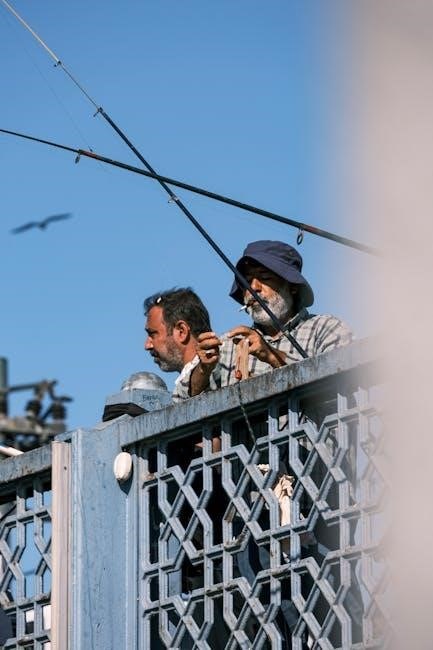
Commonly used with 6-10 lb test line, these rods excel with techniques like Texas rigging, Carolina rigging, and crankbaits. They offer a good balance for anglers who want a rod capable of both delicate presentations and setting the hook firmly. A solid choice for those seeking a versatile option that doesn’t sacrifice feel or power.
Medium Power
Medium power rods are arguably the most popular choice for all-around freshwater fishing, capable of handling lures weighing approximately 1/4 oz to 1/2 oz. They provide a fantastic balance of sensitivity and strength, making them suitable for a diverse array of species like bass, walleye, and pike. Anglers can confidently target fish in moderate cover with these versatile tools.
Typically paired with 8-14 lb test line, medium power rods excel with techniques such as spinnerbaits, jigs, and medium-diving crankbaits. They offer enough backbone to set the hook effectively and control larger fish, while still retaining enough sensitivity to detect subtle bites. A great starting point for beginners and a reliable option for experienced anglers alike.
Medium-Heavy Power
Medium-heavy power rods bridge the gap between versatility and brute force, handling lures in the 3/8 oz to 3/4 oz range with ease. These rods are ideal when you need a bit more power for heavier cover, larger lures, or bigger fish. They are a favorite among bass anglers targeting fish around docks, weeds, and timber.
Generally fished with 10-17 lb test line, medium-heavy power provides the backbone necessary for solid hooksets, even at longer distances. Techniques like Texas rigging, Carolina rigging, and heavier crankbaits benefit greatly from this power rating. Anglers will appreciate the increased sensitivity compared to heavier power rods, allowing for better bite detection while still maintaining substantial strength.
Heavy Power
Heavy power fishing rods are built for serious muscle, designed to handle lures weighing 3/4 oz and up, often exceeding 1 oz. These are the workhorses for tackling truly challenging fishing situations, where raw power is paramount. Expect to use line in the 15-20 lb test range, or even heavier for certain applications.
Anglers targeting large pike, muskie, catfish, or saltwater species often rely on heavy power rods. They excel at pulling fish from dense cover, fighting strong currents, and managing the weight of substantial fish. Techniques like big bait fishing, deep-water jigging, and heavy cover flipping demand the strength a heavy power rod provides. While sacrificing some sensitivity, you gain unparalleled control and lifting power.
Extra-Heavy Power
Extra-heavy power rods represent the pinnacle of fishing rod strength, engineered for the most demanding scenarios. These rods effortlessly handle lures weighing 1 oz or more, often pushing into the 2 oz+ range. They are paired with heavy line – typically 20 lb test and upwards, frequently exceeding 30 or even 50 lb test for extreme situations.
Anglers pursuing giant saltwater predators like sharks, tuna, or massive catfish, or battling incredibly large freshwater species like muskie in heavy vegetation, will appreciate the brute force of an extra-heavy rod. Expect minimal flex and maximum lifting power. Sensitivity is further reduced compared to heavy power, but the ability to winch in enormous fish is the primary focus. These are specialized tools for specialized targets.
Action Types and Their Impact on Casting & Hooksets
A fishing rod’s action describes where it bends along its length when pressure is applied. This significantly impacts casting distance, lure presentation, and hookset effectiveness. Action is categorized as slow, moderate, fast, and extra-fast. Understanding these differences is key to matching a rod to your fishing style and target species.
Generally, slower action rods bend more towards the handle, providing more casting distance with lighter lures and a softer presentation. Faster action rods bend closer to the tip, offering greater sensitivity, quicker hooksets, and better control, especially with heavier lures. The choice depends on the technique – finesse fishing often benefits from slower action, while power fishing demands faster action. Consider your preferred lures and fishing environment.
Slow Action
Slow action rods exhibit significant bend throughout the entire blank, with the bend initiating closer to the handle. This characteristic makes them ideal for techniques requiring a softer presentation and shock absorption. They excel when using lightweight lures, such as small jigs or finesse worms, and are particularly effective when targeting fish in clear water or pressured environments.
The substantial bend provides excellent casting distance with lighter baits, minimizing backlash. However, slow action rods sacrifice some sensitivity and hook-setting power. They are less responsive to subtle strikes and may struggle with heavier lures or when setting the hook on fish in dense cover. Anglers often choose slow action for species like trout or panfish, where a delicate presentation is paramount.
Moderate Action
Moderate action rods represent a versatile middle ground, bending primarily in the upper half of the blank. This provides a balance between sensitivity, casting distance, and hook-setting power, making them suitable for a wide range of fishing applications. They handle a variety of lure weights effectively, from crankbaits and spinnerbaits to Texas-rigged plastics.
Anglers appreciate moderate action for its all-around performance. The bend offers enough cushioning to protect light line during the fight, while still providing sufficient backbone to drive hooks home. They are a popular choice for bass fishing, walleye, and even some lighter saltwater applications. A moderate action rod is a great starting point for anglers unsure of their specific needs, offering adaptability and forgiving casting.
Fast Action
Fast action rods bend mostly in the tip section, offering exceptional sensitivity and immediate hooksets. This responsiveness makes them ideal for techniques requiring quick reaction times, such as fishing with jigs, Texas rigs, or Carolina rigs. They excel at detecting subtle bites and driving the hook through the fish’s mouth with minimal stretch.
Anglers often choose fast action for situations where precision and control are paramount. The limited bend translates to increased power transfer, allowing for longer, more accurate casts with lighter lures. They are particularly effective when fishing in heavy cover or around structure, where a quick hookset is crucial. However, they may require more skill to avoid ripping the hook out during the fight with larger fish.
Extra-Fast Action
Extra-fast action rods represent the pinnacle of sensitivity and responsiveness, bending almost exclusively at the very tip. These rods are designed for anglers demanding ultimate control and instant hooksets, particularly in specialized techniques. They are frequently favored for finesse fishing, drop-shotting, and using small, lightweight lures where detecting subtle strikes is critical.
The minimal bend provides unparalleled sensitivity, allowing you to feel even the slightest nibble. This translates to increased hookup ratios and reduced lost fish. Extra-fast action rods also excel at fishing in dense cover, enabling quick, powerful hooksets to pull fish away from obstructions. However, they require a refined casting technique and are less forgiving than slower action rods, potentially leading to broken line or pulled hooks if not used correctly.
Matching Line Weight to Rod Power
Proper line weight selection is paramount for optimal rod performance and preventing breakage. Generally, lighter power rods (Ultra-Light to Medium-Light) pair best with 2-8lb test line, ideal for smaller species and finesse presentations. Medium power rods, versatile for bass and walleye, typically handle 8-12lb test effectively.
Heavier power rods (Medium-Heavy to Extra-Heavy) require stronger lines – 12lb test and upwards – to manage larger fish and heavier lures. Always check the rod’s specifications for the manufacturer’s recommended line weight range. Using line that’s too heavy can reduce sensitivity, while line that’s too light risks snapping under pressure. Balancing line weight with rod power ensures efficient casting, solid hooksets, and a more enjoyable fishing experience.

Ultimately, the “perfect” fishing pole size is subjective and depends on your individual needs and preferences. Consider the species you target, your preferred fishing style, and the typical conditions you’ll encounter. Don’t be afraid to experiment with different lengths, powers, and actions to discover what feels most comfortable and effective for you.
Remember to prioritize balance – matching line weight to rod power is crucial. Investing time in understanding these factors will significantly enhance your angling success and enjoyment. A well-chosen rod becomes an extension of yourself, allowing for precise casts and confident fish landings. Happy fishing, and may your lines always be tight!