
Article Plan: “Do Not Stand at My Grave and Weep” PDF ⸺ A Comprehensive Guide
This guide delves into the poem’s accessibility as a PDF‚ exploring its themes of grief and remembrance. We’ll examine its origins‚ symbolism‚ and impact on bereavement practices‚
offering resources and addressing common questions.
The verb “do” functions as an auxiliary‚ forming questions and negatives‚ while also meaning to perform actions – a core element in understanding the poem’s message.
“Do Not Stand at My Grave and Weep” is a remarkably poignant and widely beloved poem‚ resonating deeply with individuals navigating grief and loss. Its enduring popularity stems from its simple yet profoundly comforting message: death is not an ending‚ but a transition to a continued presence in the natural world. The poem encourages remembrance not through sorrowful mourning at a gravesite‚ but through joyful recognition of the departed’s spirit within the everyday beauty of life.
Initially circulated as a handwritten poem‚ its origins are often misattributed‚ a testament to its widespread‚ almost organic‚ dissemination. The poem’s accessibility – readily available in numerous PDF formats online – has further contributed to its reach‚ allowing it to be easily shared and utilized in memorial services‚ grief counseling‚ and personal reflection. The concise nature of the verse‚ coupled with its universal themes‚ makes it easily memorized and recited‚ fostering a sense of connection and solace.
The power of “do” as a verb‚ signifying action and performance‚ subtly underscores the poem’s call to actively experience the presence of the deceased‚ rather than passively lament their absence. This active engagement with memory is central to the poem’s therapeutic effect‚ offering a pathway towards healing and acceptance. Its continued relevance speaks to the timeless human need to find meaning in loss and to maintain a connection with those we have loved and lost.
Historical Context of Mary Elizabeth Frye and the Poem’s Origin
Mary Elizabeth Frye (1905-2004)‚ an American poet‚ is credited with writing “Do Not Stand at My Grave and Weep‚” though its journey to recognition is steeped in a fascinating‚ and often misunderstood‚ history. The poem wasn’t initially intended for widespread publication; it arose from a deeply personal experience in 1932. Frye penned the verse as a response to the grief of a friend whose son‚ Michael‚ had tragically died during World War II.
Initially titled “When I Have Gone‚” Frye wrote the poem to offer comfort‚ not as a formal elegy‚ but as a heartfelt message of continued presence. It circulated privately for decades‚ often copied by hand and shared amongst those seeking solace. The poem’s widespread distribution‚ particularly in PDF format in recent years‚ occurred largely without Frye’s direct involvement or knowledge of its growing popularity.
Interestingly‚ the poem was mistakenly attributed to various sources for years‚ including a misattribution to Rabbi K.A. Hartstone. Frye herself didn’t actively seek copyright protection‚ contributing to its free and open dissemination. The verb “do‚” in the poem’s title‚ subtly emphasizes the active remembrance she encourages‚ a “doing” of life in honor of the departed. Frye’s life as a working mother and artist shaped her empathetic perspective‚ informing the poem’s enduring message of hope and resilience.
The Poem’s Text: Full Version and Accessibility (PDF Sources)

The complete text of “Do Not Stand at My Grave and Weep” is readily available in numerous PDF formats online‚ reflecting its widespread appeal and ease of sharing. The poem’s concise yet powerful verses resonate deeply with those experiencing loss‚ making it a frequent inclusion in memorial services and personal reflections.
Here is the full text:
Do not stand at my grave and weep‚
I am not there; I do not sleep.
I am a thousand winds that blow‚
I am the diamond glints on snow‚
I am the sunlight on ripened grain‚
I am the gentle autumn rain.
When you can’t see me‚ look for me‚
I am everywhere‚ always near.
I am in the stars that softly shine‚
I am in the birdsong‚ so divine.
Do not stand at my grave and cry‚
I am not there; I did not die.
Numerous websites offer free PDF downloads‚ ensuring accessibility for all. The ease with which one can “do” – download‚ print‚ and share – the poem contributes to its enduring legacy. However‚ it’s crucial to be mindful of copyright considerations (discussed later) when distributing these PDF versions. The poem’s simple language and universal themes contribute to its broad accessibility and emotional impact.
Analyzing the Poem’s Core Themes: Grief and Remembrance
“Do Not Stand at My Grave and Weep” directly confronts the complex emotions surrounding grief‚ offering a comforting alternative to traditional mourning. The poem doesn’t deny the pain of loss‚ but reframes death not as an ending‚ but as a transformation. It encourages remembrance not through sorrowful vigil at a gravesite‚ but through recognizing the deceased’s continued presence in the natural world.
The central theme revolves around the idea that the spirit endures‚ existing within elements like the wind‚ sunlight‚ and rain. This perspective allows for a more hopeful and active form of remembrance. The poem suggests that to truly honor the departed‚ one must “do” – actively seek their presence in everyday life‚ rather than passively dwelling on their absence.
The poem’s accessibility‚ often found in easily shared PDF formats‚ amplifies its message of comfort. It provides a framework for processing grief that moves beyond traditional expressions of sadness‚ promoting a sense of ongoing connection. The poem’s enduring popularity stems from its ability to validate grief while simultaneously offering a path towards healing and acceptance.
The Symbolism of Natural Imagery: Wind‚ Sun‚ and Birds
The power of “Do Not Stand at My Grave and Weep”‚ readily available as a PDF‚ lies significantly in its evocative natural imagery. The wind‚ sun‚ and birds aren’t merely decorative elements; they function as potent symbols of the departed spirit’s continued existence. The wind represents freedom and an unrestrained energy‚ suggesting the soul is no longer bound by physical limitations.
Similarly‚ the sun embodies warmth‚ life‚ and enduring light – a metaphor for the lasting impact the deceased has on those left behind. The poem asks us to “do” more than mourn; to feel the sun’s warmth as a connection to the loved one. Birds‚ often symbols of transcendence and messengers between worlds‚ represent the soul’s ability to travel and communicate beyond the earthly realm.
These natural elements collectively illustrate a cyclical view of life and death‚ where energy transforms rather than ceases to exist. The poem’s beauty resides in its ability to translate abstract concepts of grief and remembrance into tangible‚ relatable imagery‚ offering solace and a sense of ongoing connection.
Exploring the Poem’s Message of Continued Presence
The core message of Mary Elizabeth Frye’s “Do Not Stand at My Grave and Weep”‚ easily accessed as a PDF‚ transcends traditional notions of grief. It emphatically rejects the idea of death as an ending‚ instead presenting it as a transformation into a different state of being. The poem urges readers to actively “do” – to seek the departed not in a place of mourning‚ but within the vibrancy of the natural world.
This isn’t about denial of sorrow‚ but a redirection of focus. The poem suggests the deceased aren’t absent‚ but present in the rustling leaves‚ the gentle breeze‚ and the warmth of the sun. It’s a call to remember through experience‚ to feel their presence in everyday moments rather than solely through remembrance at a gravesite.
The poem’s enduring appeal stems from this comforting message of continued connection. It offers a framework for navigating grief that emphasizes celebration of life and the enduring power of love‚ rather than solely focusing on loss. It’s a testament to the idea that those we cherish remain with us in spirit‚ influencing our lives even after their physical departure.
“Do Not Stand at My Grave and Weep” in Funeral and Memorial Services
“Do Not Stand at My Grave and Weep”‚ readily available as a PDF‚ has become a remarkably popular selection for inclusion in funeral and memorial services. Its message of continued presence offers a comforting alternative to more traditional‚ sorrow-focused eulogies. The poem’s accessibility and universal themes resonate with diverse audiences‚ providing solace during times of grief.
Often‚ the poem is read aloud during the service‚ serving as a focal point for reflection. It encourages attendees to remember the deceased not with sadness‚ but with joy‚ celebrating the life lived and the enduring impact they had. The poem’s imagery – wind‚ sun‚ and birds – lends itself beautifully to visual representations within the service‚ such as slideshows or floral arrangements.
Furthermore‚ the poem’s brevity and directness make it suitable for inclusion in memorial programs or as a printed keepsake for mourners. It’s a tangible reminder of the message of hope and continued connection‚ encouraging those left behind to “do” – to live fully and find comfort in the world around them‚ remembering their loved one’s spirit.
The Poem’s Use in Grief Counseling and Therapy
The widespread availability of “Do Not Stand at My Grave and Weep” as a PDF has made it a valuable tool in grief counseling and therapeutic settings. Its core message – that the deceased continue to exist in the natural world and within the memories of those left behind – offers a powerful counterpoint to feelings of finality and despair.
Therapists often utilize the poem to facilitate discussions about healthy coping mechanisms and the reframing of grief. It encourages clients to explore their memories and find ways to maintain a connection with loved ones who have passed. The poem’s emphasis on “doing” – experiencing life and finding joy – can be particularly helpful in motivating individuals to move forward.
The poem’s simple language and accessible imagery make it suitable for clients of all ages and backgrounds. It provides a safe and non-threatening entry point for exploring complex emotions. Counselors may ask clients to reflect on which lines resonate most strongly with them‚ prompting deeper self-exploration and facilitating the grieving process.
Different Interpretations of the Poem’s Meaning

While seemingly straightforward‚ “Do Not Stand at My Grave and Weep”‚ readily available as a PDF‚ invites diverse interpretations. Some view it as a distinctly spiritual message‚ suggesting the soul transcends physical death and lives on in a universal energy or afterlife. Others interpret it through a more humanist lens‚ emphasizing the enduring power of memory and the continued influence of the deceased on the lives of those who remember them.
The poem’s focus on natural imagery – the wind‚ sun‚ and birds – lends itself to ecological readings‚ suggesting a cyclical view of life and death‚ where energy is simply transformed‚ not extinguished. The act of “doing” – feeling the wind‚ seeing the sun – becomes a way to commune with the departed.
Furthermore‚ interpretations vary based on personal experiences with grief. Individuals who find comfort in the idea of a continued presence may embrace the poem’s hopeful tone‚ while those struggling with feelings of loss may focus on the poem’s gentle encouragement to celebrate life rather than dwell on sorrow. The poem’s beauty lies in its openness to individual meaning.
The Poem’s Influence on Music and Art
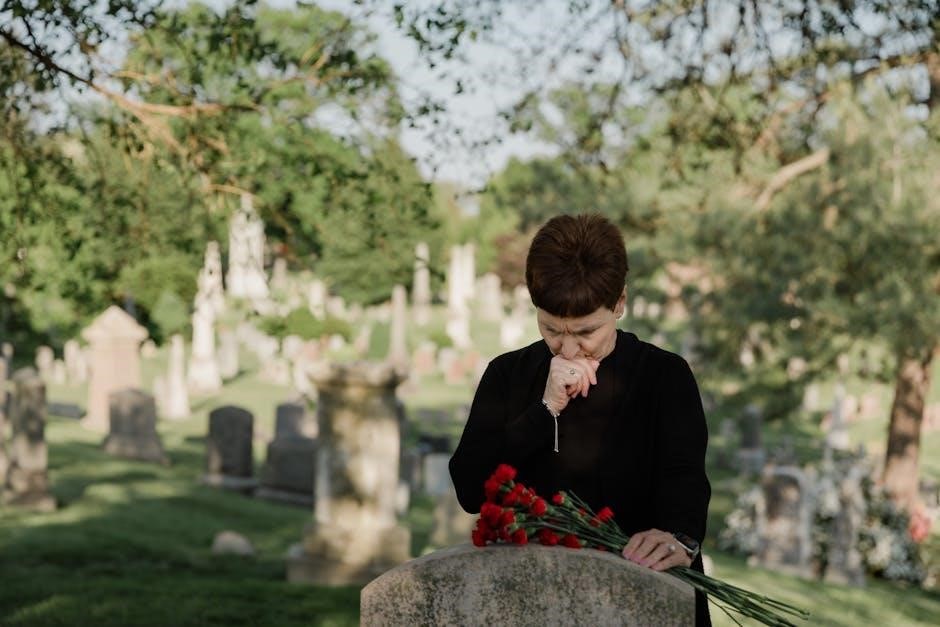
“Do Not Stand at My Grave and Weep”‚ frequently encountered as a PDF‚ has profoundly impacted both music and visual art‚ becoming a popular choice for memorial pieces. Numerous musical settings have been created‚ ranging from simple choral arrangements to more elaborate orchestral works‚ each aiming to capture the poem’s poignant message of enduring presence.
The poem’s evocative imagery – the wind‚ sun‚ and birds – frequently appears in paintings‚ sculptures‚ and other artistic mediums. Artists often interpret these symbols to represent the soul’s liberation or the cyclical nature of life and death. The act of “doing” – creating art – becomes a tribute to the departed and a means of processing grief.
Its accessibility‚ particularly through PDF distribution‚ has fueled its widespread adoption in memorial services and personal tributes. Composers and artists are drawn to its universal themes of loss‚ remembrance‚ and hope‚ resulting in a rich tapestry of creative interpretations. The poem’s enduring appeal ensures its continued influence on artistic expression.
Finding and Downloading “Do Not Stand at My Grave and Weep” PDFs
Numerous sources offer “Do Not Stand at My Grave and Weep” as a PDF download. A simple internet search using keywords like “poem PDF‚” “Mary Elizabeth Frye PDF‚” or “bereavement poem PDF” yields a variety of results. Websites dedicated to poetry‚ grief support‚ and funeral planning frequently host the poem in this format.
However‚ caution is advised when downloading PDFs from unfamiliar sources. Always verify the website’s legitimacy to avoid malware or copyright infringements. Reputable sites often include information about the poem’s origin and author‚ ensuring authenticity. The act of “doing” due diligence is crucial.
Many funeral homes and memorial service providers also offer the poem as a downloadable PDF on their websites. Online libraries and digital archives may also contain the poem. Remember to respect copyright regulations when distributing or reproducing the PDF. Accessing the poem is easy‚ but responsible usage is paramount.
Legality and Copyright Considerations of PDF Distribution

Determining the legality of distributing “Do Not Stand at My Grave and Weep” as a PDF is complex. While the poem entered the public domain in the United States‚ copyright laws vary internationally. Therefore‚ distribution may be restricted in certain countries. The verb “do” highlights the action of sharing‚ which requires legal awareness.
Although Mary Elizabeth Frye didn’t initially copyright the poem‚ later claims arose regarding its ownership. This ambiguity necessitates caution when sharing the PDF‚ especially for commercial purposes. Non-commercial‚ personal use is generally considered permissible‚ but mass distribution requires careful consideration.

Websites offering the PDF should ideally clarify its copyright status. Respecting intellectual property is crucial‚ even for works with uncertain ownership. “Doing” so avoids potential legal issues. Always attribute the poem to Mary Elizabeth Frye when sharing it. Seeking legal counsel is advisable for large-scale distribution or commercial use to ensure compliance with applicable copyright laws.
Variations and Adaptations of the Poem’s Text
Numerous variations of “Do Not Stand at My Grave and Weep” exist‚ often appearing in PDF formats online. These adaptations range from minor wording changes to expanded versions incorporating additional verses. The core message of continued presence remains consistent‚ but stylistic alterations are common. The verb “do” emphasizes the act of modifying the original work.

Some adaptations aim to personalize the poem for specific memorial services‚ altering pronouns or imagery to resonate with the deceased’s life. Others expand upon the natural imagery‚ adding details about specific birds or landscapes. These changes‚ while heartfelt‚ deviate from Frye’s original intent.
When encountering different versions in PDF form‚ it’s crucial to distinguish between authorized adaptations and unauthorized alterations. While personal modifications are acceptable for private use‚ distributing altered versions as the definitive text is misleading. “Doing” so diminishes the integrity of Frye’s original poem. Comparing variations highlights the enduring power of the original verses and the creative impulse to connect with grief.
Comparing “Do Not Stand at My Grave and Weep” to Other Grief Poems
“Do Not Stand at My Grave and Weep‚” frequently found as a PDF download‚ distinguishes itself from traditional grief poetry through its active‚ life-affirming tone. Unlike elegies focused on loss and mourning‚ Frye’s poem emphasizes continued existence and connection. The verb “do” reflects the poem’s call to action – to remember and experience the deceased’s presence.
Compared to poems like Tennyson’s “In Memoriam A.H.H.”‚ which explores prolonged sorrow and spiritual doubt‚ Frye’s work offers immediate comfort and reassurance. While both address grief‚ their approaches differ significantly. Similarly‚ Emily Dickinson’s poems on death often focus on the finality of the experience‚ contrasting with the poem’s message of ongoing life.
The poem’s accessibility‚ often facilitated by readily available PDF versions‚ contributes to its widespread appeal. It resonates because it doesn’t dwell on sadness but encourages remembrance through active engagement with the natural world. “Doing” this – actively remembering – becomes a form of continuing the relationship with the departed.
The Poem’s Appeal Across Different Cultures and Religions
The enduring popularity of “Do Not Stand at My Grave and Weep‚” easily accessible as a PDF‚ transcends cultural and religious boundaries. Its universal message of continued connection resonates deeply‚ irrespective of specific belief systems. The poem doesn’t rely on theological doctrine‚ focusing instead on the natural world and the enduring power of memory – concepts broadly understood.
While some religions emphasize mourning rituals and a focus on the afterlife‚ Frye’s poem offers a complementary perspective. It suggests that the deceased aren’t simply “gone‚” but continue to exist within the elements of nature. This aligns with animistic beliefs found in various cultures‚ where spirits are believed to inhabit the natural world. The simple act of “doing” – observing the wind‚ sun‚ and birds – becomes a spiritual practice.
The poem’s widespread distribution as a PDF has further amplified its reach‚ allowing it to be shared and appreciated across diverse communities. Its lack of overtly religious language makes it suitable for secular memorial services and provides comfort to individuals of all faiths‚ or none at all.
Common Misconceptions About the Poem’s Authorship
Despite its widespread circulation‚ often as a readily available PDF‚ the authorship of “Do Not Stand at My Grave and Weep” is frequently misattributed. Many mistakenly believe it originated as a Native American poem‚ a misconception fueled by its natural imagery and spiritual tone. This attribution‚ while honoring Indigenous cultures‚ is inaccurate and perpetuates a historical misrepresentation.

The poem was‚ in fact‚ written by Mary Elizabeth Frye in 1932‚ following a request from a grieving mother. The story of its origin – a response to a friend’s loss – is well-documented‚ yet the Native American attribution persists. The ease with which a PDF can be shared online has unfortunately contributed to the spread of this misinformation.
Understanding the true authorship is important not only for historical accuracy but also for respecting Frye’s creative work; The act of “doing” due diligence – verifying information before sharing – is crucial in combating these misconceptions. Numerous sources now clearly identify Frye as the poem’s author‚ readily accessible alongside PDF versions.
The Poem’s Impact on Modern Bereavement Practices
“Do Not Stand at My Grave and Weep‚” easily found as a PDF online‚ has profoundly impacted modern approaches to grief and remembrance. Its message of continued presence‚ rather than dwelling on loss‚ resonates deeply with those navigating bereavement. The poem encourages a shift in perspective‚ focusing on celebrating a life lived instead of mourning a death.
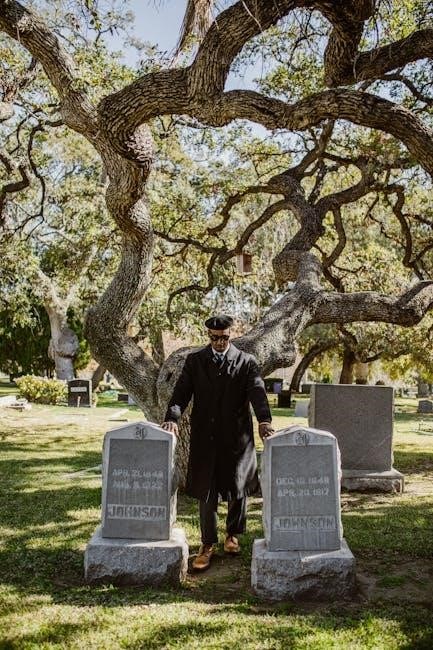
This shift is reflected in contemporary funeral and memorial services‚ where the poem is frequently included in readings and programs. Its accessibility as a PDF allows for easy distribution and personal reflection. The poem’s emphasis on experiencing the natural world – the wind‚ sun‚ and birds – encourages finding solace in nature‚ a practice increasingly incorporated into grief rituals.
The act of “doing” something to honor the deceased‚ as suggested by the poem‚ aligns with modern bereavement practices that emphasize active remembrance. Sharing a PDF of the poem‚ or simply reciting it‚ becomes a way to keep the memory of a loved one alive. It’s a testament to the poem’s enduring power and its ability to offer comfort and hope.
Resources for Grief Support and Remembrance
Navigating grief can be incredibly challenging‚ and numerous resources offer support. Accessing “Do Not Stand at My Grave and Weep” as a PDF can be a starting point for reflection‚ but professional help is often invaluable. Organizations like the Grief Recovery Method (griefrecoverymethod.com) provide guidance and support groups.
The National Alliance for Children’s Grief (childrengrieve.org) offers resources specifically for children and families. For immediate support‚ the Crisis Text Line (crisistextline.org) provides 24/7 crisis intervention via text message. Remembering that “to do” is to act‚ actively seeking help is a crucial step in the healing process.
Websites offering downloadable PDFs of the poem‚ alongside related articles and support materials‚ include poetryfoundation.org and various memorial websites. These resources often feature forums where individuals can share their experiences and connect with others. Remember‚ acknowledging grief and seeking support are acts of self-compassion‚ and utilizing available resources is a sign of strength.
Further assistance can be found through local hospices and bereavement centers.

Frequently Asked Questions (FAQs) about the Poem
Q: Where can I find a reliable PDF of “Do Not Stand at My Grave and Weep”? A: Numerous websites offer downloadable PDF versions‚ but ensure the source is reputable to avoid inaccuracies. Poetry Foundation and memorial sites are good starting points.
Q: Is the poem in the public domain? A: Copyright status is complex. While widely shared‚ respecting potential copyright restrictions when distributing the PDF is advisable. “To do” the right thing means acknowledging potential ownership.
Q: What is the poem’s intended meaning? A: Interpretations vary‚ but it generally conveys a message of continued presence after death‚ urging remembrance through experiencing life’s beauty.
Q: Can this poem be used in a funeral service? A: Absolutely. It’s a popular choice due to its comforting message. Obtaining a clear PDF for printing programs is common.
Q: Is Mary Elizabeth Frye the sole author? A: Authorship has been debated‚ but she is widely credited with the poem’s creation.
The Enduring Legacy of “Do Not Stand at My Grave and Weep”
“Do Not Stand at My Grave and Weep” transcends a simple poem; it’s a universally resonant message of hope and continued connection. Its accessibility as a readily available PDF has amplified its reach‚ offering solace to countless individuals navigating grief.
The poem’s enduring power lies in its simple yet profound imagery‚ reminding us that those we’ve lost live on in the natural world and within our memories. The act of remembrance – to “do” as the poem suggests – becomes a celebration of life‚ not just a mourning of death.
From funeral services to grief counseling‚ its influence is undeniable. The poem’s message encourages a shift in perspective‚ moving away from sorrowful lamentation towards joyful acknowledgement of an ongoing presence.
As long as grief exists‚ and as long as individuals seek comfort and meaning‚ this poem‚ easily shared as a PDF‚ will continue to offer a beacon of hope and a testament to the enduring power of love.