
Knife Guide: A Comprehensive Overview (12/10/2025)
Today, December 10, 2025, understanding knives—from kitchen essentials to tactical options—is crucial; selecting the right blade enhances cooking and ensures safety, offering versatility.
Knives, fundamental tools throughout human history, transcend mere kitchen implements; they represent precision, utility, and even artistry. From ancient flint tools to modern, high-tech blades, the core function remains consistent: to cut, slice, and prepare. A comprehensive understanding begins with recognizing the sheer diversity available.
Kitchen knives, for instance, aren’t a one-size-fits-all category. There’s a specific knife for nearly every culinary task – a chef’s knife for general chopping, a paring knife for delicate work, and a serrated knife for bread. Beyond the kitchen, tactical and everyday carry (EDC) knives serve different purposes, prioritizing portability and reliability.
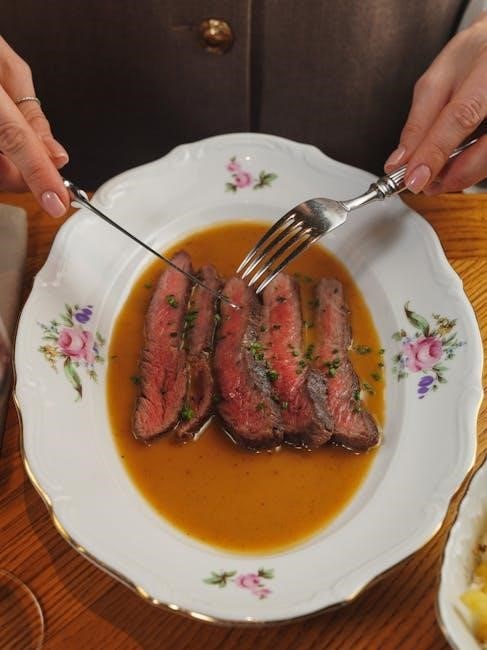
Choosing the correct knife isn’t simply about sharpness; it’s about selecting a tool suited to the job, ensuring efficiency, safety, and ultimately, better results. This guide will explore the nuances of knife types, materials, maintenance, and responsible ownership.
The Importance of Choosing the Right Knife
Selecting the appropriate knife dramatically impacts both the ease and quality of any cutting task. Using a chef’s knife to peel an apple is inefficient and potentially dangerous, while a paring knife struggles with large roasts. The right tool minimizes effort, maximizes control, and enhances safety, preventing slips and injuries.
Beyond efficiency, the correct knife preserves the integrity of the food. A serrated knife cleanly slices bread without crushing it, while a sharp boning knife expertly navigates poultry. Investing in a few quality knives tailored to your needs surpasses owning a large, inexpensive set filled with subpar blades.
Ultimately, choosing wisely elevates the entire experience, transforming a chore into a more enjoyable and productive process. It’s about respecting the tool and the task at hand.
Types of Kitchen Knives
Kitchen knives are essential, ranging from paring knives for precision to large blades for heavy-duty tasks; understanding these differences equips cooks for any culinary challenge.

Chef’s Knife: The Workhorse
The chef’s knife reigns supreme as the most versatile tool in the kitchen, truly earning its “workhorse” title. Typically ranging from 8 to 12 inches in blade length, its curved shape facilitates a rocking motion for efficient chopping, slicing, and dicing. A classic chef’s knife is paramount for any cook, professional or home enthusiast.
Its broad blade allows for knuckle clearance while chopping, enhancing safety and control. From mincing herbs and vegetables to carving roasts and poultry, the chef’s knife handles a vast array of tasks with ease. Investing in a high-quality chef’s knife is a cornerstone of building a functional and efficient kitchen toolkit. Mastering its use unlocks a world of culinary possibilities, making food preparation significantly more enjoyable and streamlined.
Paring Knife: Precision Cutting
The paring knife excels in tasks demanding finesse and control. Characterized by its short, typically 2.5 to 4-inch blade, it’s designed for intricate work that larger knives simply can’t manage. Peeling fruits and vegetables, trimming delicate garnishes, and removing seeds are all within its skillset. This knife offers exceptional maneuverability, allowing for precise cuts in tight spaces.
Unlike the chef’s knife’s rocking motion, the paring knife is best used with a direct, controlled push-cut. It’s an indispensable tool for detailed food preparation, offering a level of accuracy crucial for presentation and flavor development. While seemingly simple, a quality paring knife is a testament to the importance of specialized tools in achieving culinary excellence, making it a vital addition to any kitchen.
Serrated Knife: Bread and More
The serrated knife, instantly recognizable by its scalloped blade, is a champion of texture. Its unique design isn’t about slicing through resistance, but rather sawing through it. This makes it the undisputed king of bread slicing, preventing crushing of the soft interior while effortlessly conquering a crusty exterior. The serrations grip the surface, delivering clean, even slices every time.
However, its utility extends far beyond bread. Tomatoes, with their delicate skins and juicy interiors, benefit greatly from a serrated blade. Similarly, citrus fruits and even cakes yield to its gentle yet effective cutting action. It’s important to note that serrated knives require specialized sharpening to maintain their effectiveness; honing won’t restore a dull serrated edge, making proper care essential.
Boning Knife: For Meat and Poultry
The boning knife is a precision instrument designed for the delicate task of separating meat from the bone. Characterized by its narrow, often flexible blade, it navigates the contours of joints and bones with remarkable agility. This allows cooks to efficiently yield maximum meat portions with minimal waste. Different lengths and blade flexibilities cater to various proteins; stiffer blades excel with larger cuts, while flexible blades are ideal for poultry.
Mastering a boning knife requires practice and control. It’s not a tool for brute force, but rather for careful maneuvering and precise cuts. Proper technique minimizes strain on both the cook and the meat, resulting in cleaner, more professional results. Maintaining a razor-sharp edge is paramount for safe and efficient boning.
Utility Knife: The All-Purpose Option
The utility knife truly earns its name, bridging the gap between the chef’s knife and the paring knife. Typically ranging from 5 to 7 inches in blade length, it’s a versatile workhorse capable of handling a wide array of kitchen tasks. Slicing fruits and vegetables, trimming meats, and even smaller chopping jobs fall comfortably within its capabilities. It’s an excellent choice for tasks where a chef’s knife feels unwieldy and a paring knife is insufficient.
For home cooks not wanting a vast collection, the utility knife is a smart investment. It offers a balance of maneuverability and cutting power, making it a reliable companion for everyday meal preparation. Its adaptability makes it a fantastic starting point for building a functional knife set.
Cleaver: Heavy-Duty Chopping
The cleaver is a substantial knife designed for power and durability, not finesse. Characterized by its thick, rectangular blade and heavy weight, it excels at tasks requiring forceful chopping through bones and tough connective tissues. While often associated with butchery, cleavers are also valuable for breaking down poultry, chopping through dense vegetables like squash, and even tenderizing meat.
Unlike knives intended for slicing, cleavers rely on downward force. Proper technique is crucial for safety and efficiency; a controlled, deliberate motion is key. Though intimidating in appearance, a well-maintained cleaver is an indispensable tool for cooks frequently working with whole proteins or requiring robust chopping capabilities.

Knife Materials and Construction
Blade steel, handle materials, and tang construction significantly impact a knife’s performance and longevity. Choices like high carbon or stainless steel define durability and edge retention.
Blade Steel: High Carbon vs; Stainless Steel
Choosing between high carbon and stainless steel is fundamental when selecting a knife. High carbon steel, renowned for its exceptional sharpness and ability to take a keen edge, is a favorite among culinary professionals. However, this superior performance comes with a trade-off: increased susceptibility to rust and corrosion. Consistent cleaning and oiling are vital to maintain high carbon blades.
Stainless steel, conversely, offers excellent corrosion resistance, requiring less maintenance. While generally not achieving the same peak sharpness as high carbon steel, modern stainless steel formulations have significantly narrowed the gap in performance. Stainless steel is ideal for users prioritizing ease of care and resistance to the elements. The best choice depends on individual needs and willingness to commit to proper knife maintenance.
Handle Materials: Wood, Synthetic, and Composite
The handle material significantly impacts a knife’s balance, grip, and overall feel. Traditional wood handles, like rosewood or walnut, offer a classic aesthetic and comfortable grip, but require regular oiling to prevent cracking and warping. They provide a warm, natural feel favored by many cooks.
Synthetic materials, such as plastic or rubber, are durable, water-resistant, and often more affordable. They require minimal maintenance and offer a secure grip, even when wet. Composite handles, often combining wood and synthetic resins, aim to blend the best qualities of both worlds – the beauty of wood with the durability of synthetics. Ultimately, the ideal handle material is a matter of personal preference and intended use.
Full Tang vs. Partial Tang: Understanding Construction
A knife’s tang—the portion of the blade extending into the handle—is a critical factor in its strength and balance. A “full tang” knife extends the entire length of the handle, providing superior stability and durability. This construction distributes stress evenly, reducing the risk of breakage, especially during heavy use. Full tang knives generally feel more substantial and offer better control.
Conversely, a “partial tang” knife has a tang that doesn’t run the full length of the handle. While often more affordable, partial tang knives are generally less robust. The tang is typically riveted or otherwise secured within the handle. The strength relies heavily on the method of attachment. Choosing between the two depends on the intended use and budget; full tang is preferred for demanding tasks.
Blade Geometry: Convex, Flat, and Hollow Grinds
The blade’s grind—its cross-sectional shape—significantly impacts its cutting performance. A “flat grind” maintains a consistent thickness from the spine to the edge, offering strength and ease of sharpening, making it versatile for many tasks. It excels at push cuts and chopping.
“Convex grinds” curve outwards, creating a stronger edge that resists chipping. They are excellent for heavy-duty work and offer good slicing ability, often found on bushcraft knives. “Hollow grinds” have concave curves, resulting in a very thin edge for exceptional slicing performance. However, they are more prone to chipping and require more frequent sharpening, ideal for precision work.

Knife Maintenance and Care
Regular sharpening, honing, and proper cleaning are vital for preserving a knife’s performance and preventing rust, ensuring longevity and safe, efficient use.

Sharpening Techniques: Whetstones, Honing Steels, and Electric Sharpeners
Maintaining a sharp blade is paramount, and several techniques exist to achieve this. Whetstones, traditional sharpening tools, require skill and practice, utilizing abrasive stones with varying grits to restore the blade’s edge. Honing steels, conversely, don’t actually sharpen but realign the blade’s edge, a frequent maintenance step. They are used before or after each use.
Electric sharpeners offer convenience and consistency, suitable for those less comfortable with manual methods. However, some can remove more metal than necessary. Choosing the right grit is crucial for each method; coarser grits rebuild edges, while finer grits refine them. Mastering sharpening ensures optimal cutting performance, safety, and extends the life of your valuable knives. Consistent honing between sharpenings keeps blades performing at their best.
Cleaning and Storage: Preventing Rust and Damage
Proper cleaning and storage are vital for preserving your knives’ quality and longevity. Immediately after use, wash knives with warm, soapy water, avoiding abrasive cleaners that can damage the blade. Dry thoroughly – this is crucial to prevent rust, especially with carbon steel blades. Never place knives in the dishwasher, as the harsh environment can dull the edge and corrode the metal.
Safe storage is equally important. Knife blocks, magnetic strips, or blade guards protect blades from damage and prevent accidents. Avoid tossing knives loosely in drawers, where they can become dulled or cause injury. Regular oiling (for carbon steel) adds an extra layer of protection. Consistent care ensures your knives remain in optimal condition for years to come.
Honing vs. Sharpening: Knowing the Difference
Honing and sharpening are often confused, but they serve distinct purposes in knife maintenance. Honing realigns the blade’s edge, which bends during use, restoring its apparent sharpness. Think of it as straightening a slightly bent paperclip – it doesn’t remove metal, but improves performance. Use a honing steel regularly, before or after each use, for optimal results.
Sharpening, however, removes metal to create a new, sharper edge. This is necessary when honing no longer restores sharpness. Sharpening utilizes whetstones, electric sharpeners, or professional services. The frequency depends on usage, but generally, sharpening is needed a few times a year. Understanding this difference ensures you maintain your knives effectively, prolonging their lifespan and maximizing their cutting ability.

Tactical and Everyday Carry (EDC) Knives
Tactical knives, increasingly popular for daily carry, offer strength and reliability; folding and fixed blade options cater to diverse needs, demanding awareness of legal regulations.
Folding Knives: Versatility and Portability
Folding knives represent a cornerstone of everyday carry (EDC), prized for their remarkable versatility and convenient portability. Unlike their fixed-blade counterparts, these knives collapse into a compact form, making them easily storable in pockets, on keychains, or within a bag—ideal for urban environments and travel.
The mechanics involve a hinge, allowing the blade to pivot and lock into place for use, and then fold away when not needed. Locking mechanisms, such as liner locks, frame locks, and back locks, are crucial for safety, preventing accidental closure during operation. Modern folding knives boast a wide array of blade shapes, steel types, and handle materials, catering to diverse preferences and tasks.
They are suitable for a multitude of applications, from opening packages and cutting rope to more demanding tasks like food preparation or light utility work. Their adaptability makes them a favorite among preppers, outdoor enthusiasts, and anyone seeking a reliable tool for daily life. However, it’s vital to be aware of and adhere to local knife laws regarding carry and use.
Fixed Blade Knives: Strength and Reliability
Fixed blade knives embody robustness and dependability, standing as a testament to enduring design. Constructed from a single piece of steel extending from the tip to the handle, these knives lack the moving parts of folding knives, resulting in superior strength and stability. This construction makes them exceptionally well-suited for demanding tasks where reliability is paramount.
Often favored by outdoor enthusiasts, survivalists, and professionals requiring a steadfast tool, fixed blades excel in situations involving heavy use, such as bushcraft, hunting, and rescue operations. The full tang design—where the blade steel runs the entire length of the handle—enhances balance and minimizes the risk of breakage.

While generally less convenient for everyday carry due to their size and lack of folding capability, their unwavering performance and durability make them an invaluable asset in critical situations. Careful consideration of blade shape, steel type, and handle material is essential when selecting a fixed blade knife for specific applications.
Knife Laws and Regulations: A State-by-State Guide
Navigating knife laws presents a complex challenge, varying significantly across states and even municipalities. Understanding these regulations is crucial for responsible knife ownership and carry. Restrictions often pertain to blade length, locking mechanisms, and concealed carry. Some states permit open carry of most knives, while others impose stricter limitations on specific types, like automatic or assisted-opening knives.

Certain locations may prohibit knives altogether in schools, government buildings, or public events. It’s vital to research the specific laws of any state you plan to visit or reside in, as penalties for violations can range from fines to criminal charges. Resources like the American Knife & Tool Institute (AKTI) provide valuable state-by-state guides.
Staying informed about local ordinances ensures compliance and promotes safe, legal knife ownership. Due diligence in understanding these regulations is paramount for any knife enthusiast or professional relying on these tools.
Safety Considerations When Carrying a Knife
Responsible knife carry demands prioritizing safety for yourself and others. Always maintain awareness of your surroundings and potential hazards. Securely sheath or lock your knife to prevent accidental deployment or loss. Avoid brandishing or displaying your knife in a threatening manner, as this can escalate situations and lead to legal repercussions.
Proper training in safe knife handling techniques is essential, including safe opening, closing, and carry methods. Be mindful of local laws regarding carry restrictions in specific locations. Regularly inspect your knife for any defects or malfunctions that could compromise safety.
Consider the potential risks associated with carrying a knife and whether it’s truly necessary for your intended activities. Prioritize de-escalation and avoidance of conflict whenever possible, remembering a knife should be a tool for utility, not aggression.
Advanced Knife Concepts
Exploring knife scales, Rockwell hardness, and the rich history of blades reveals deeper appreciation for craftsmanship and innovation within the world of knives.
Knife Scales and Customization
Knife scales, the handle material surrounding the tang, significantly impact a knife’s aesthetics, ergonomics, and overall feel. Customization extends beyond simply choosing a material; it’s about tailoring the knife to the user’s hand and preferences. Materials range from traditional woods like walnut and rosewood, offering warmth and beauty, to modern synthetics such as G10 and Micarta, prized for their durability and grip.
Micarta, a composite material made from linen or canvas impregnated with resin, provides excellent resistance to moisture and wear. G10, a fiberglass laminate, is exceptionally strong and lightweight. Beyond material choice, scale shape and texture play vital roles. Contoured scales enhance comfort during extended use, while textured surfaces improve grip, even in wet conditions. Custom scales allow enthusiasts to personalize their knives, transforming a functional tool into a unique work of art, reflecting individual style and enhancing performance.
Understanding Rockwell Hardness
Rockwell Hardness is a crucial measurement when evaluating blade steel, indicating its resistance to indentation. The Rockwell scale (HRC – Rockwell C scale is most common for knives) quantifies how well a steel holds its shape and edge retention. Higher HRC numbers signify harder steel, generally translating to a sharper edge that lasts longer. However, hardness isn’t everything; extremely hard steel can be brittle and prone to chipping.
Most quality kitchen knives fall within the 56-62 HRC range. Steels around 58-60 HRC offer a good balance of hardness and toughness, suitable for everyday use. Higher-end knives may reach 62 HRC or above, providing exceptional edge retention but requiring more careful handling. Understanding Rockwell hardness helps consumers make informed decisions, selecting steel appropriate for their intended knife use and maintenance capabilities.
The History of Knives
Knives boast a history stretching back millennia, predating recorded history itself. Early humans fashioned tools from stone, flint, and obsidian, creating rudimentary blades for hunting, butchering, and defense. The Bronze Age brought advancements in metallurgy, enabling the creation of more durable and refined knives. Iron Age innovations further improved blade quality and accessibility.
Throughout history, knives evolved alongside societal needs. Roman pugios served as both tools and weapons, while the folding knives of the Middle Ages offered portability. The 19th and 20th centuries witnessed mass production and specialized designs, leading to the diverse range of knives available today. From simple survival tools to sophisticated culinary instruments, the knife remains an indispensable part of human culture.